Hidden Curvature of Plants

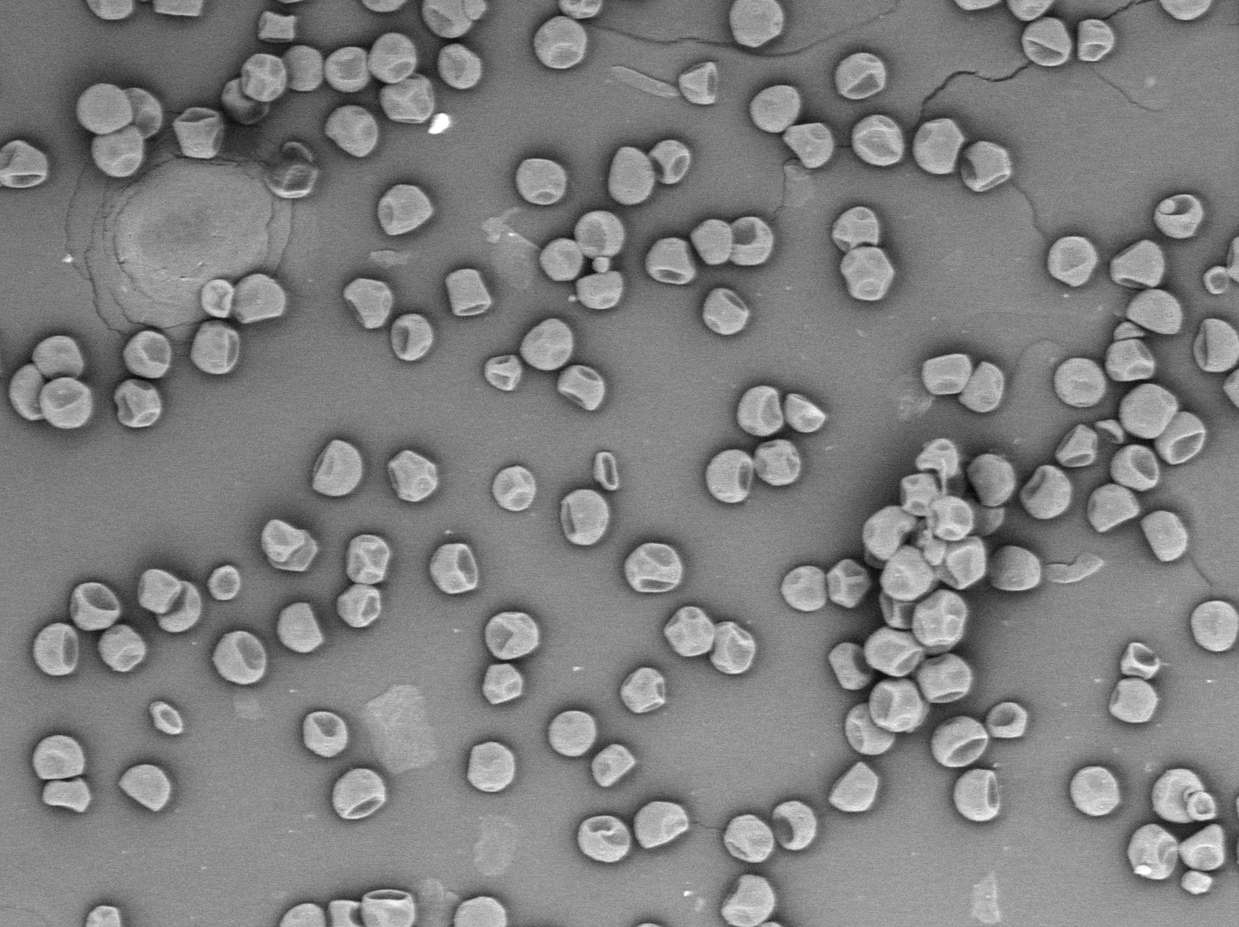
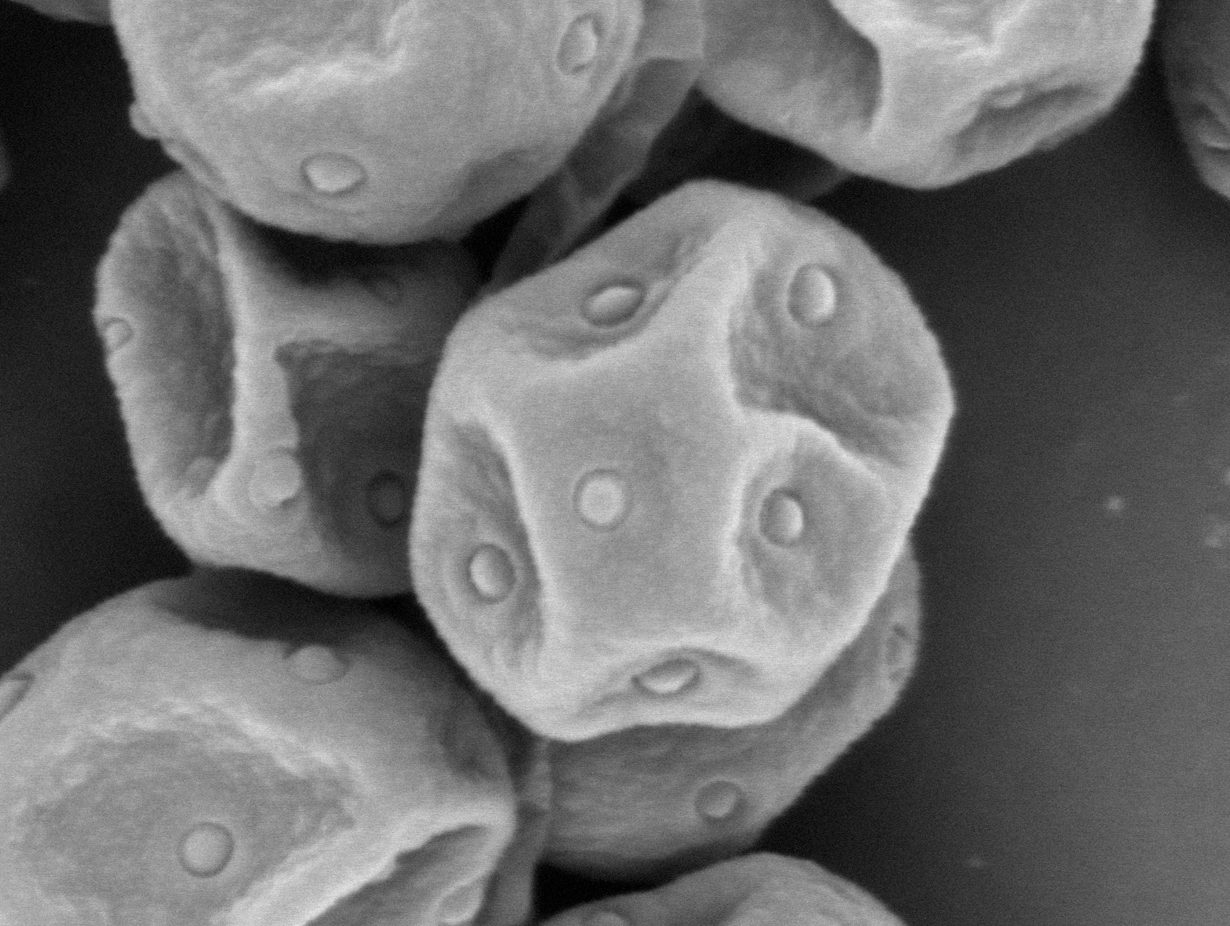
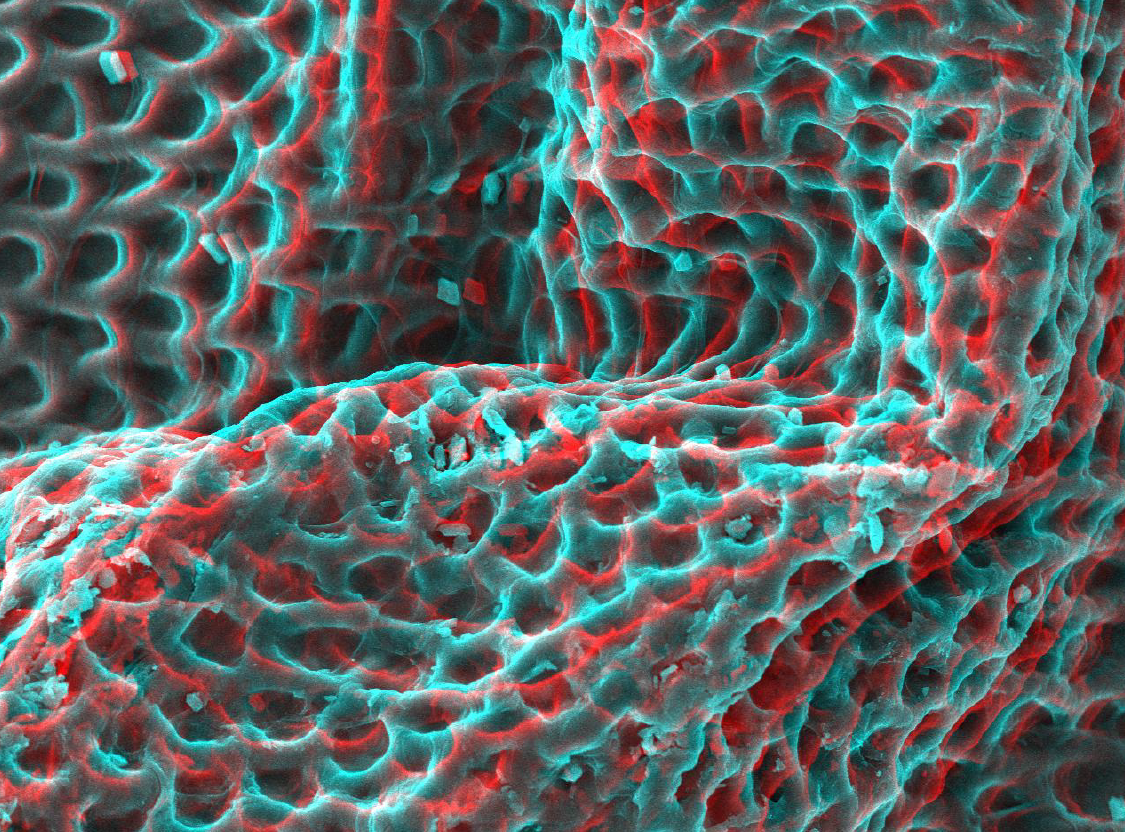
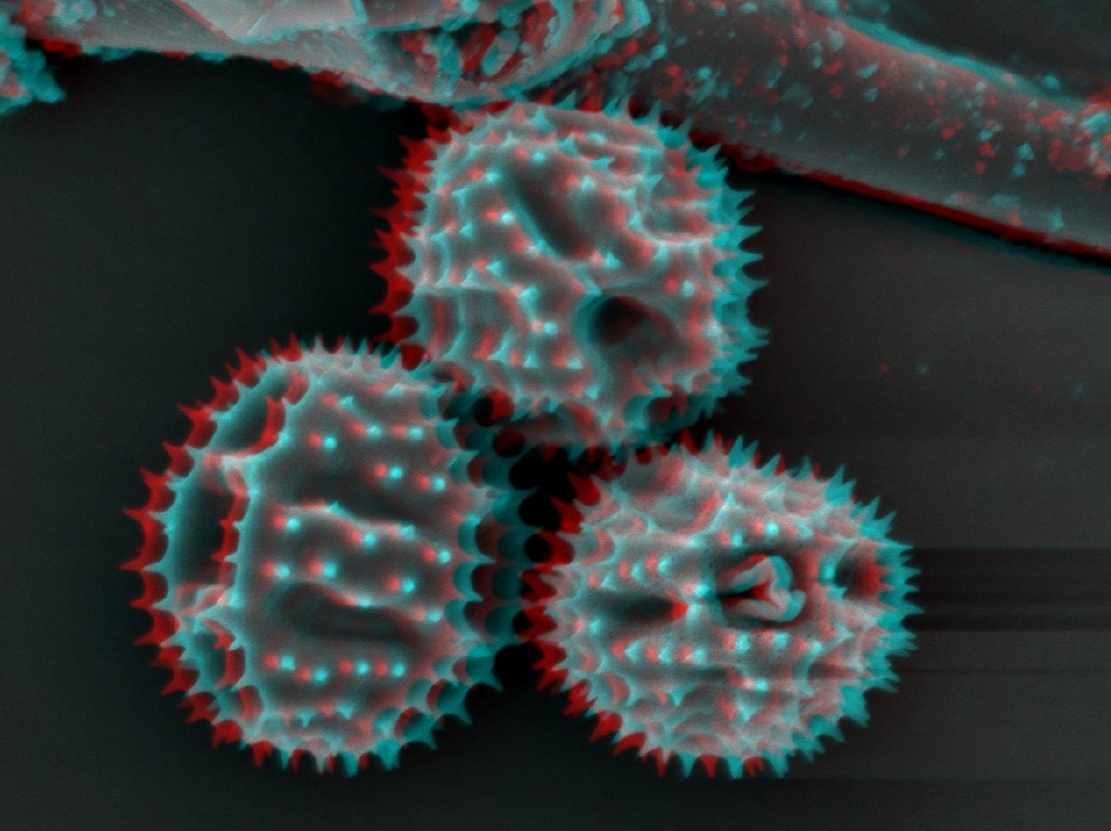
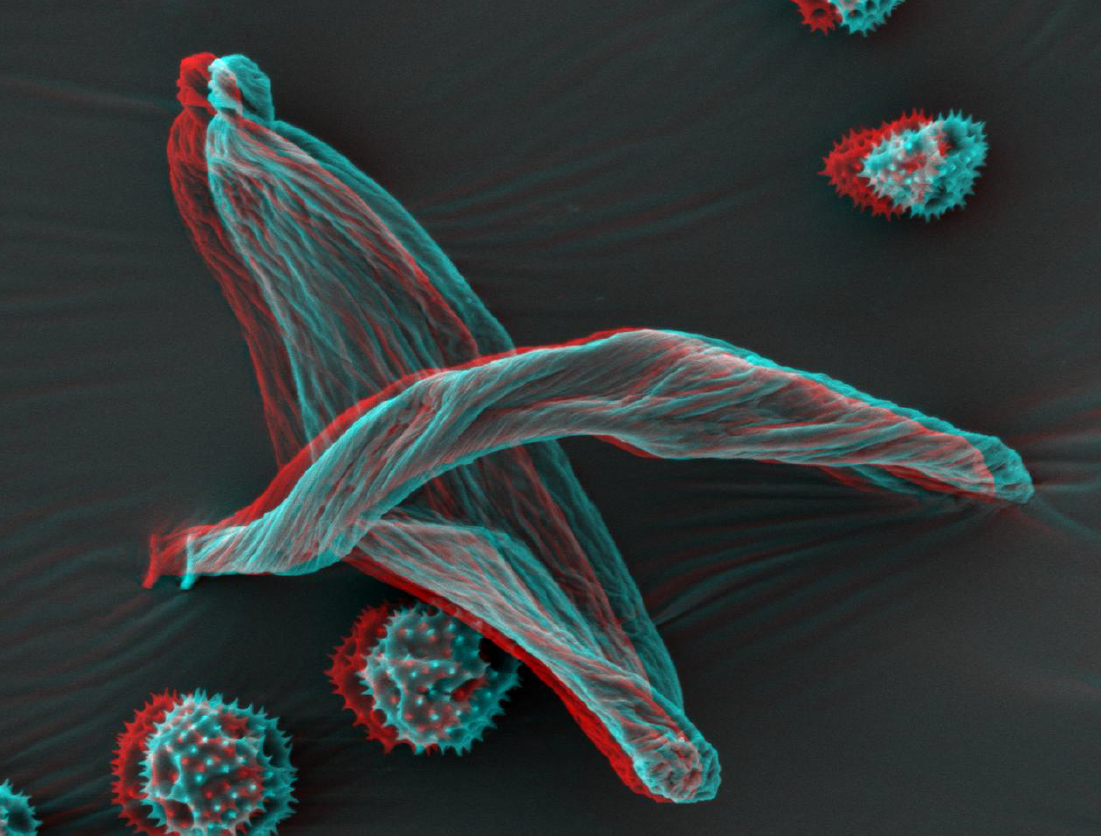
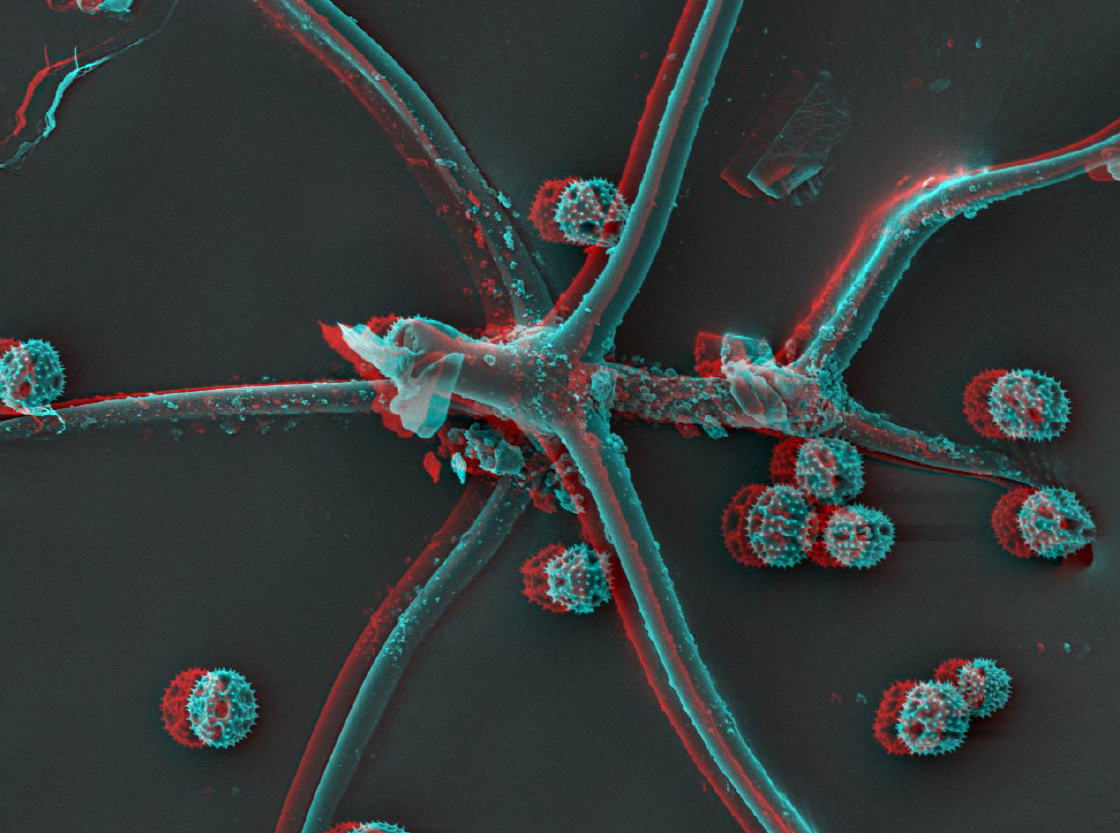
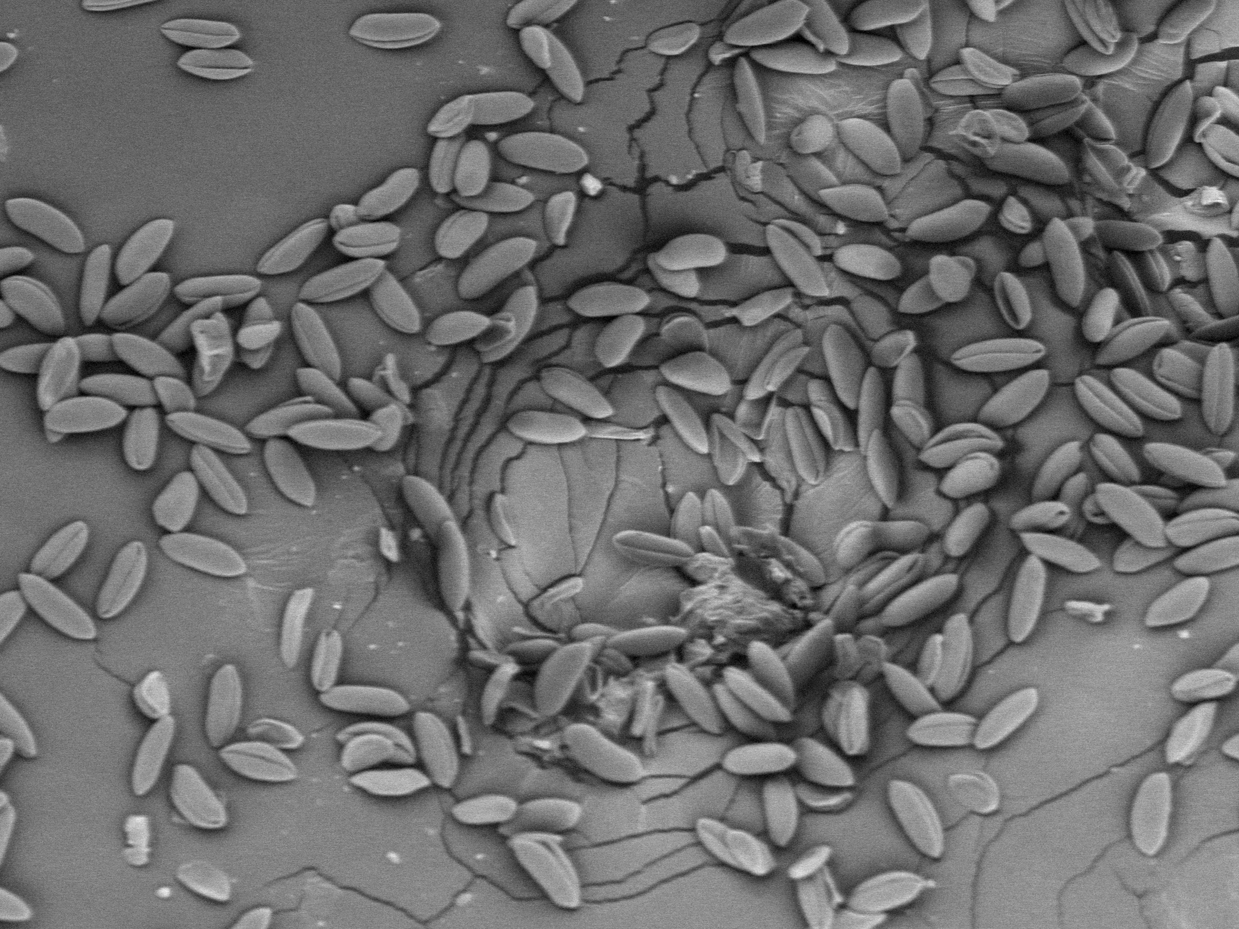
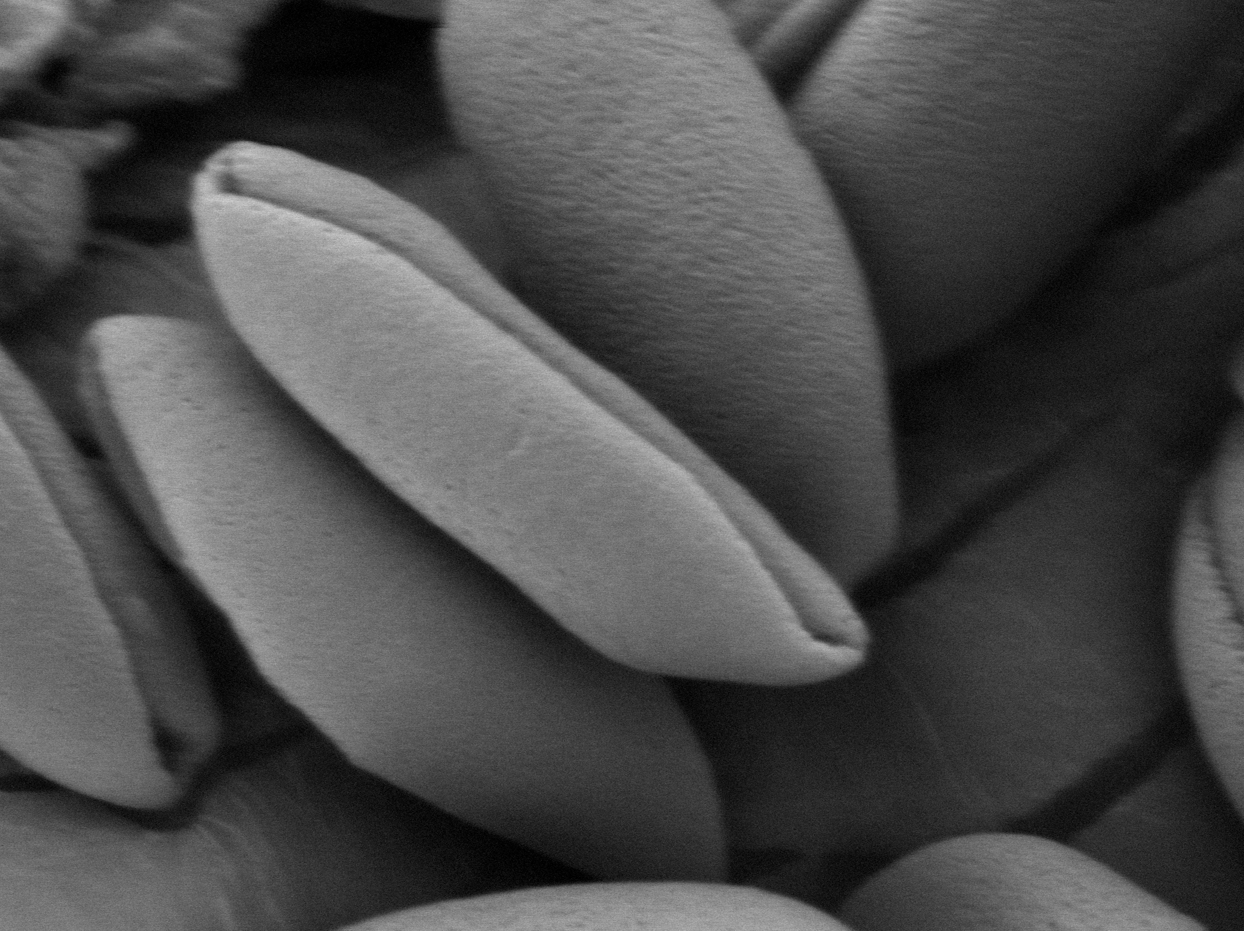
A journey into the microscopic world of plants. Using scanning electron microscopy, this EuroCurvoBioNet outreach project reveals the remarkable shapes, patterns and curvatures hidden within pollen grains and other plant structures.

How the Project Came to Life
 

This educational outreach project was developed by our  Droplet Laboratory at the Department of Chemical Engineering, University of Chemistry and Technology Prague, as part of the COST Action EuroCurvoBioNet (CA22153), a European research network exploring the interplay between curvature and biological systems. 

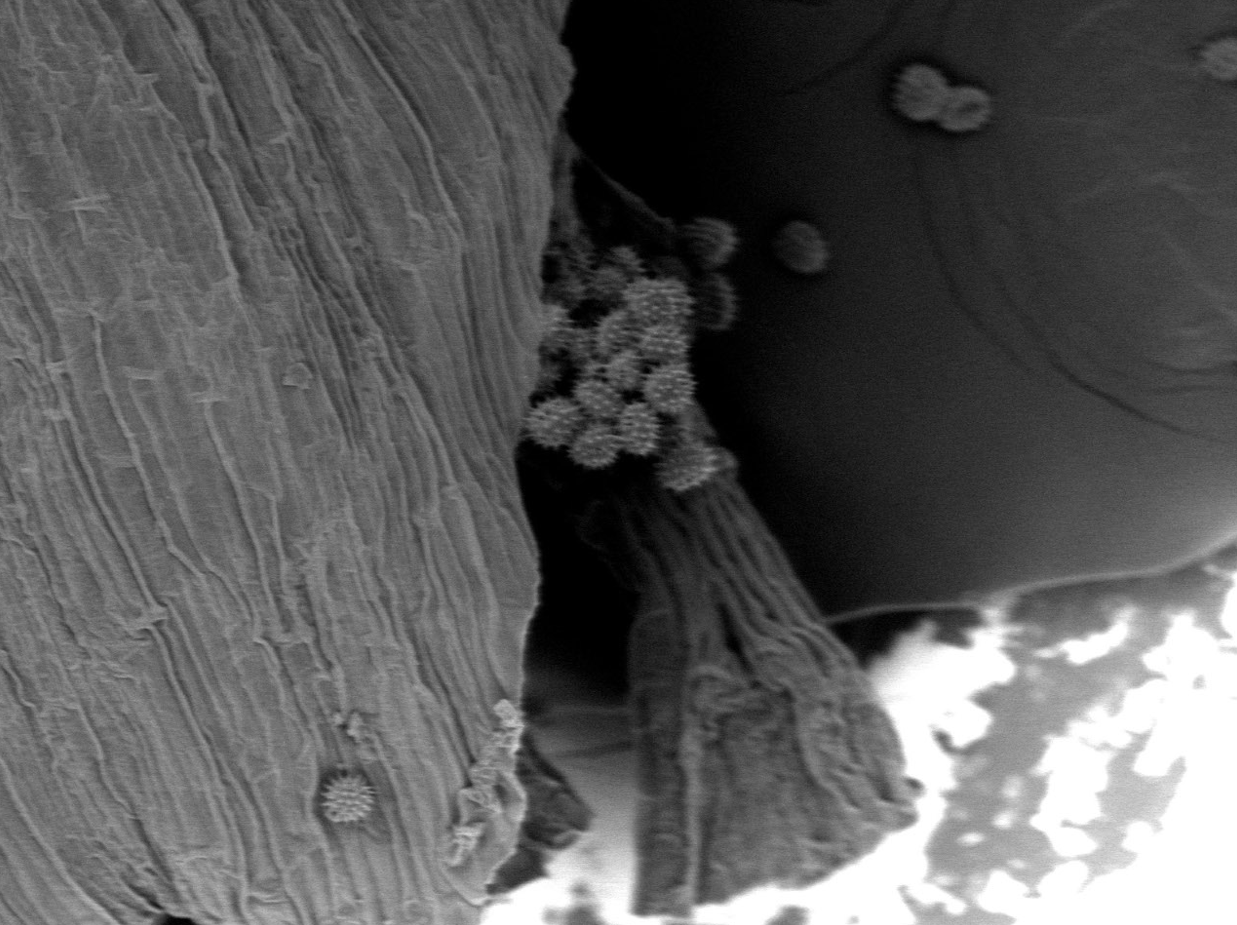
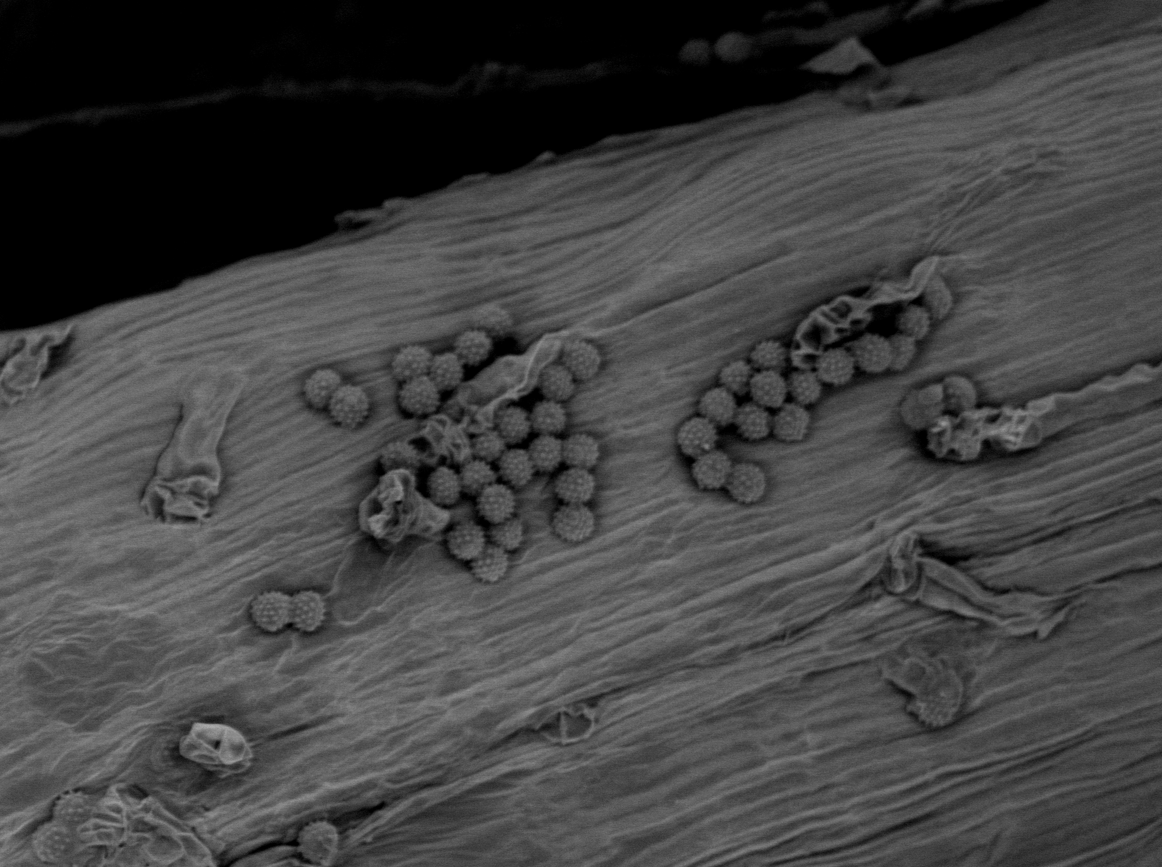
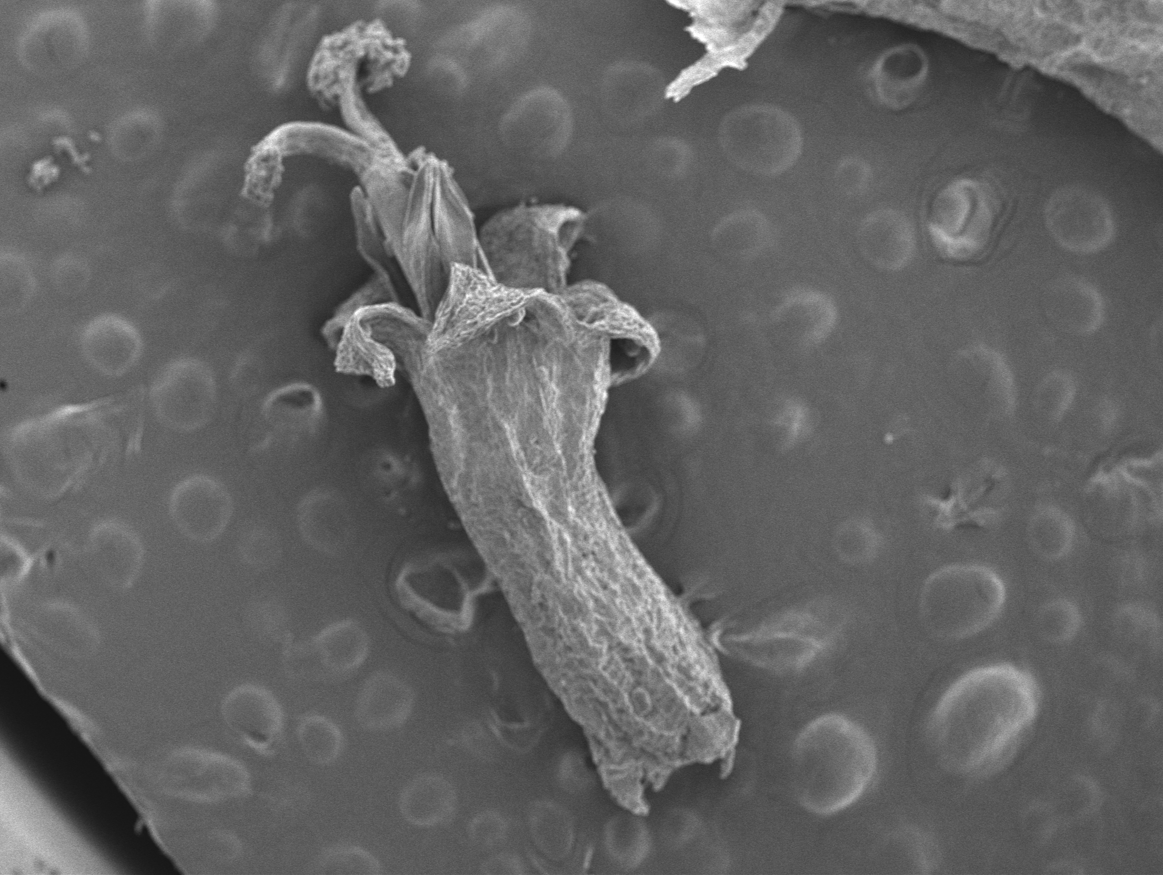
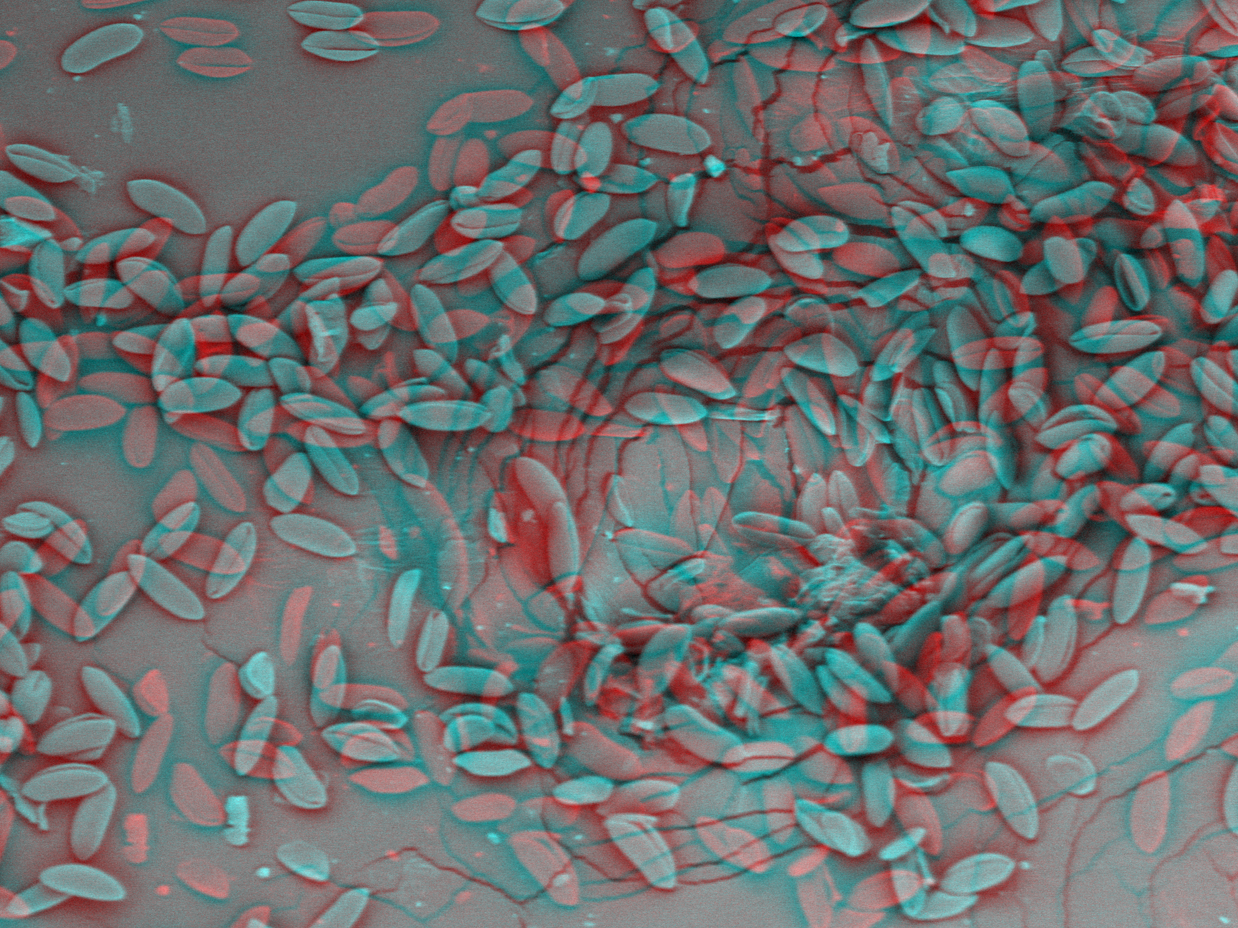
The project was created in collaboration with students from Park Lane International School and the Botanical Garden of the Faculty of Science, Charles University. During a field visit to the botanical garden, students collected pollen grains and other microscopic plant structures, which were subsequently examined using scanning electron microscopy (SEM).

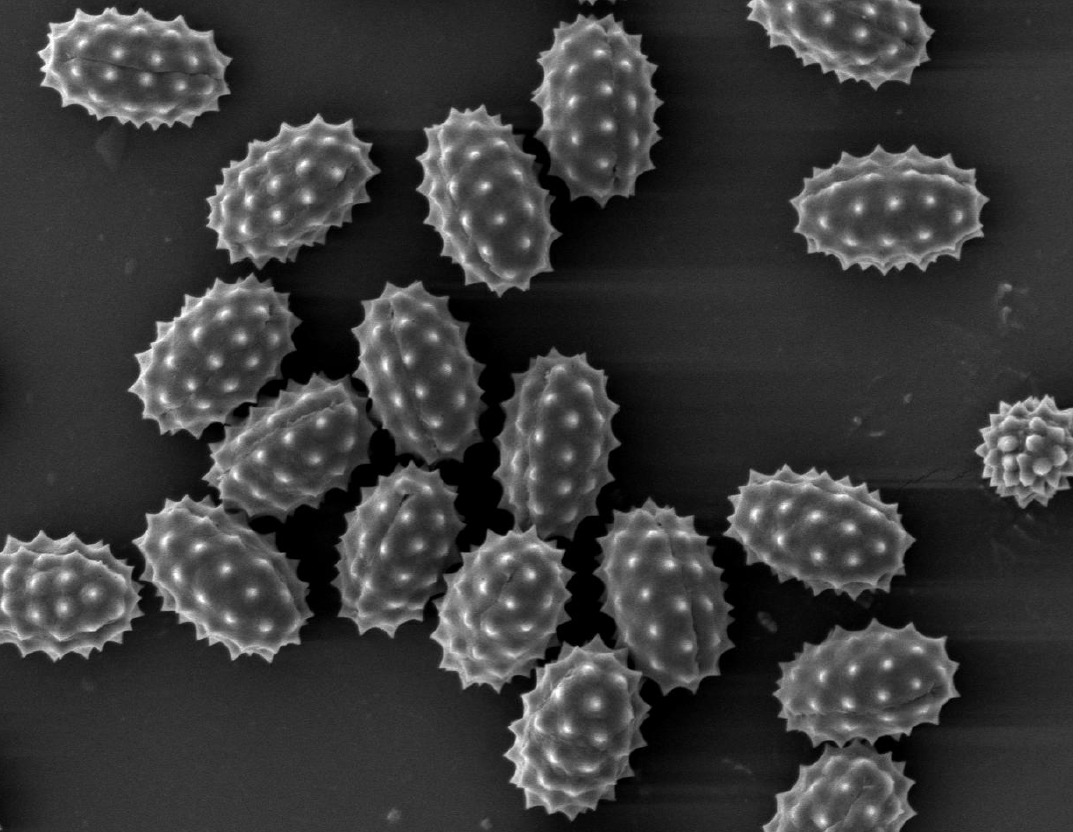
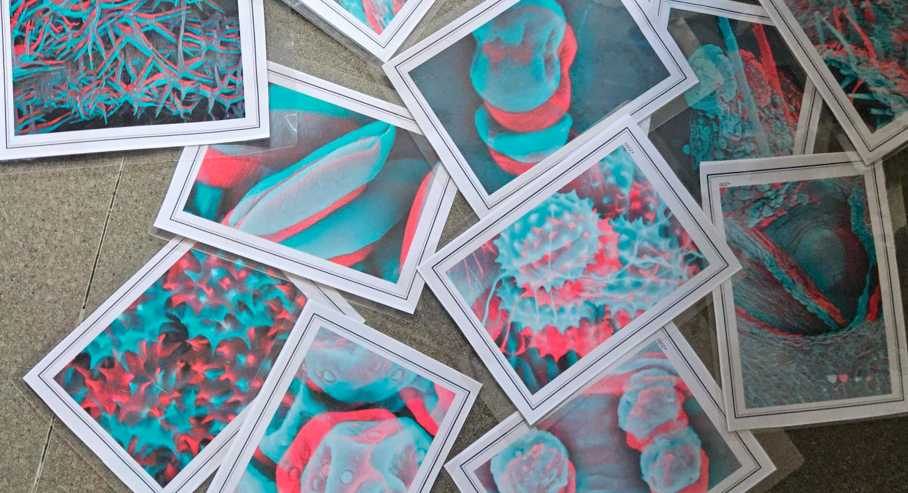
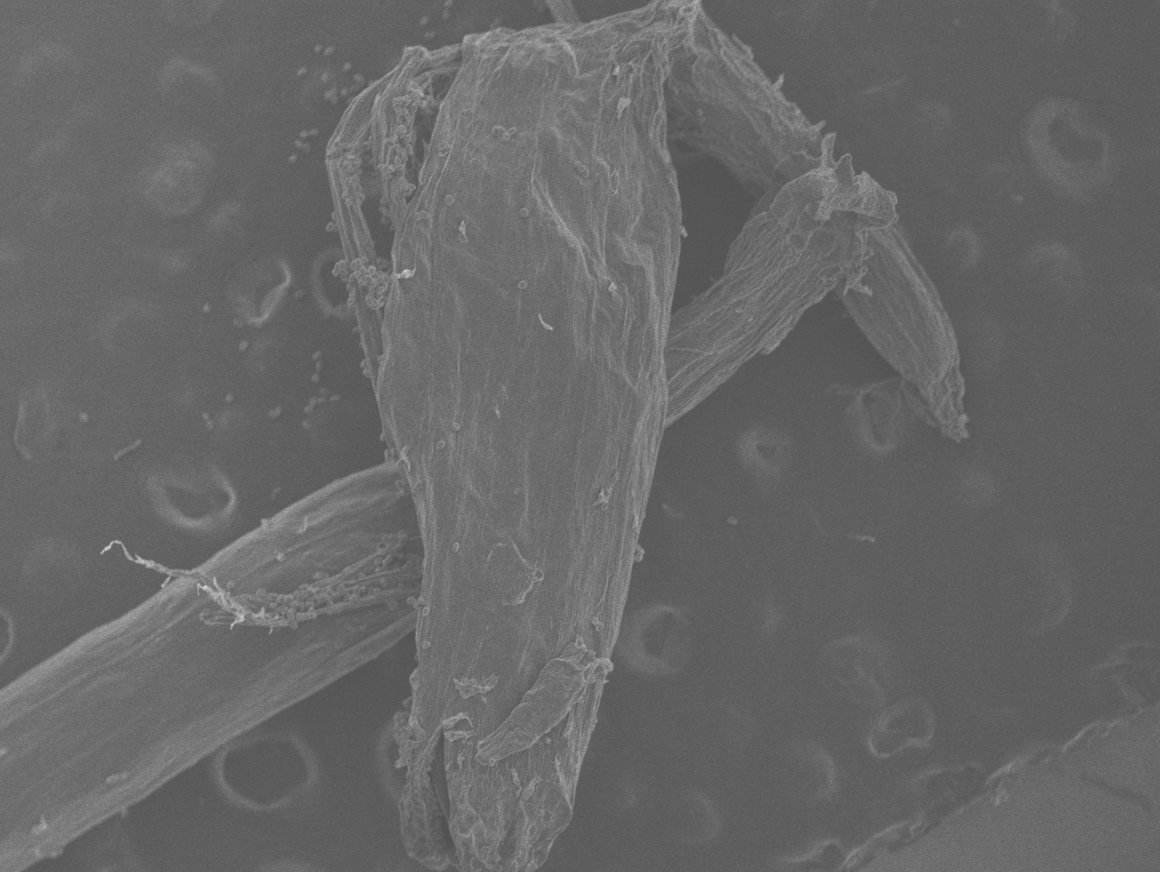
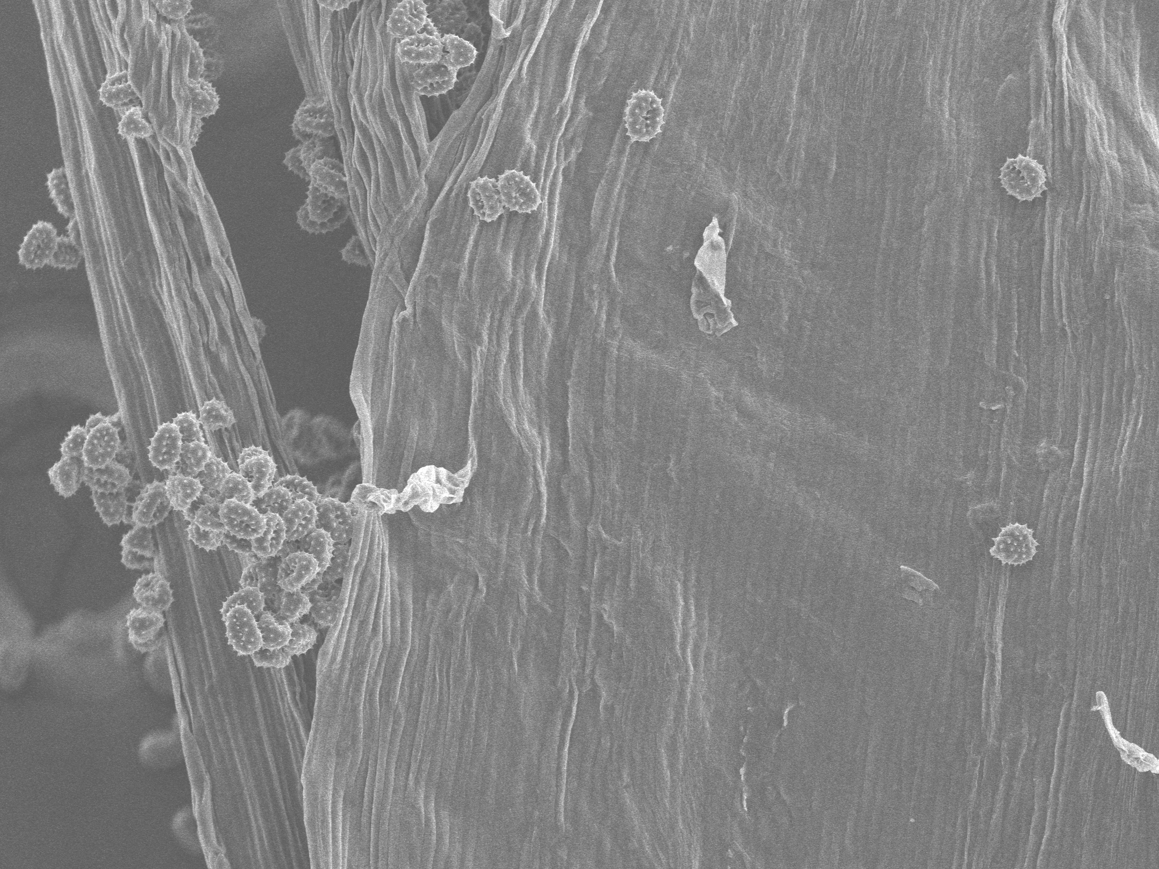
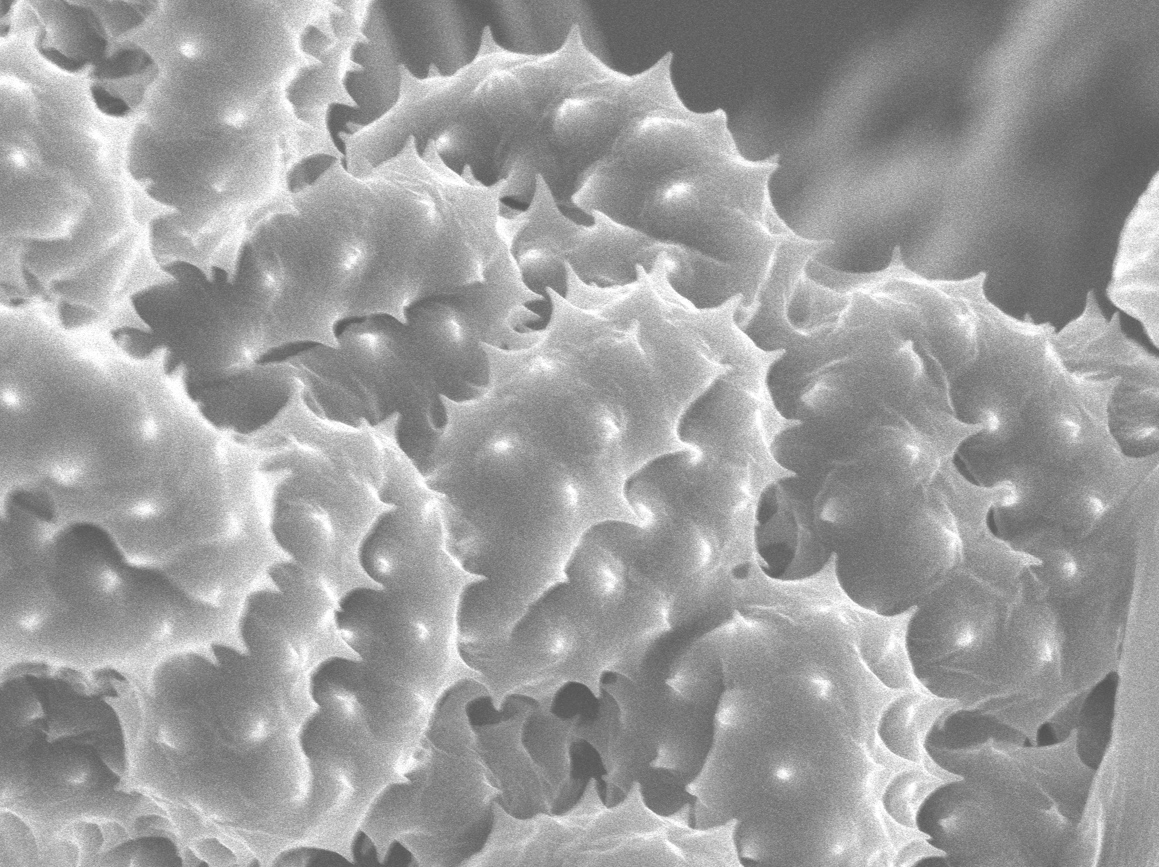
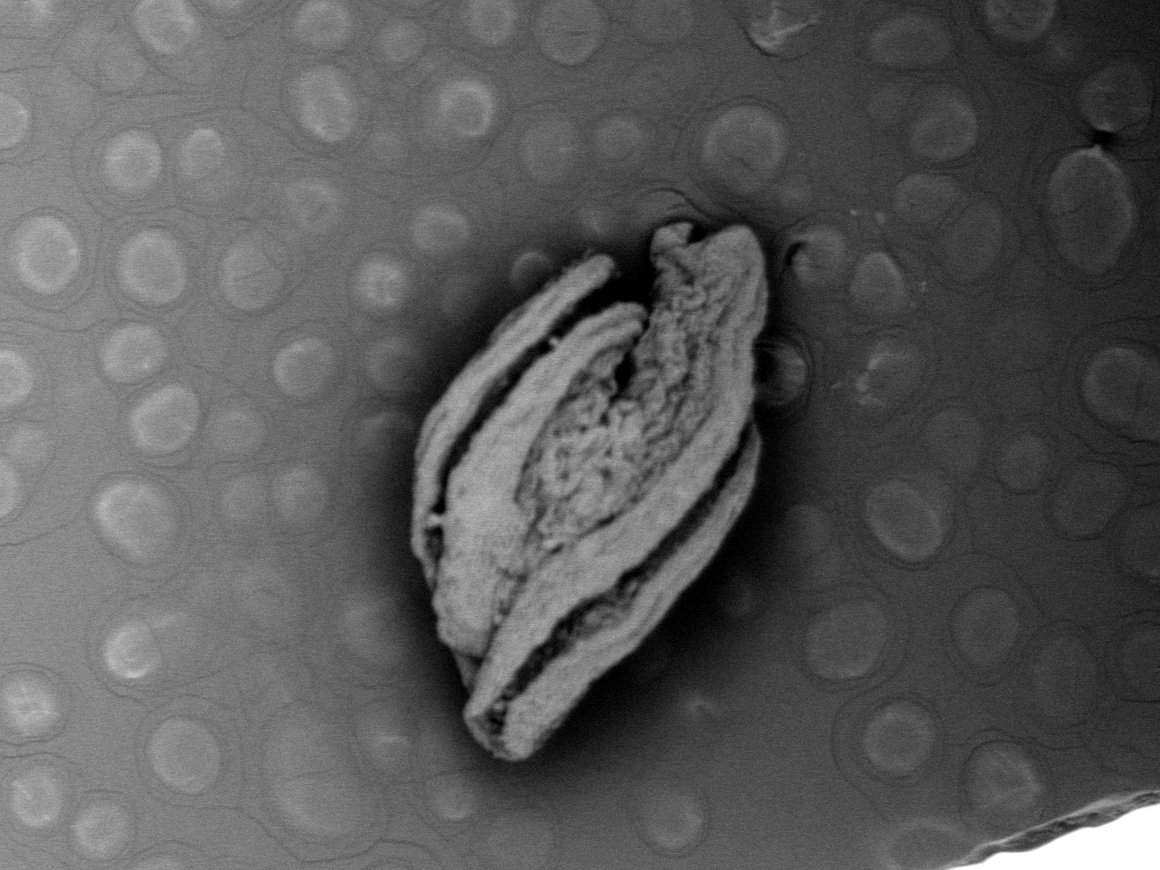
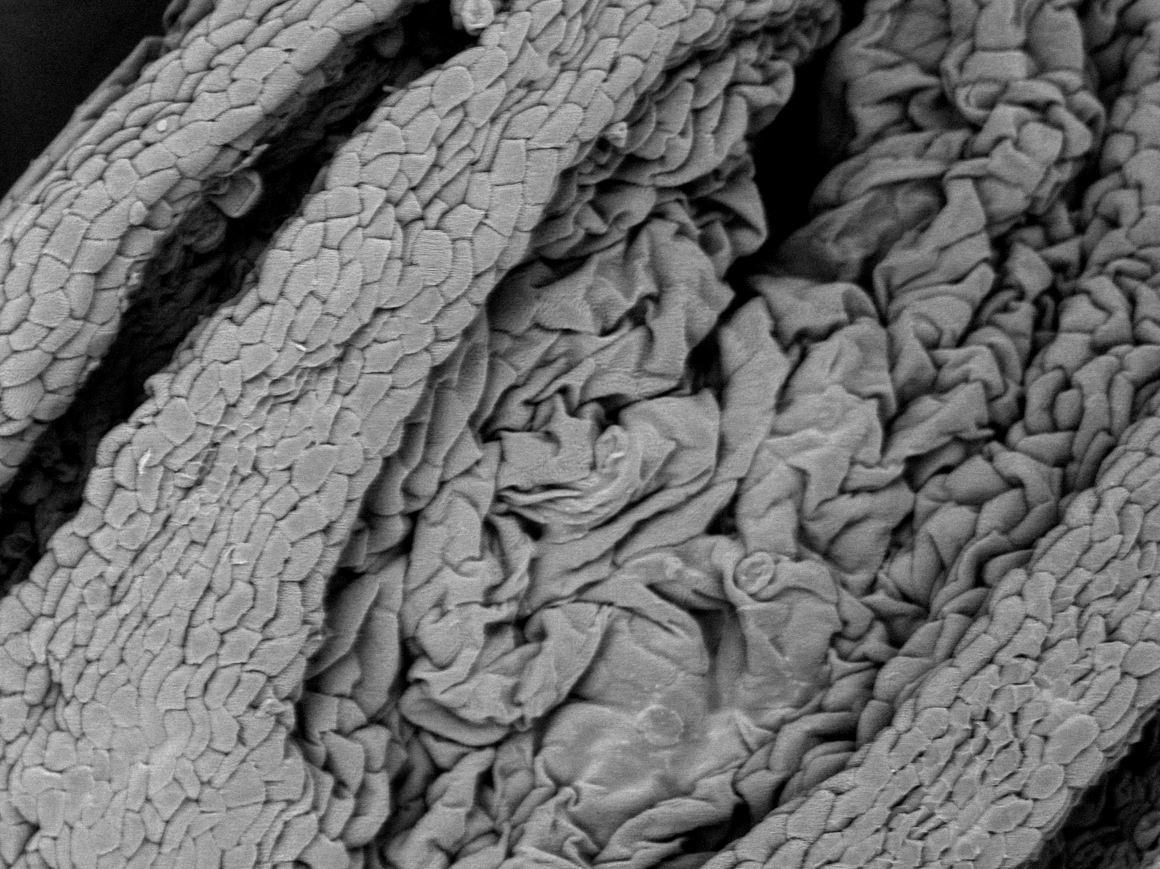
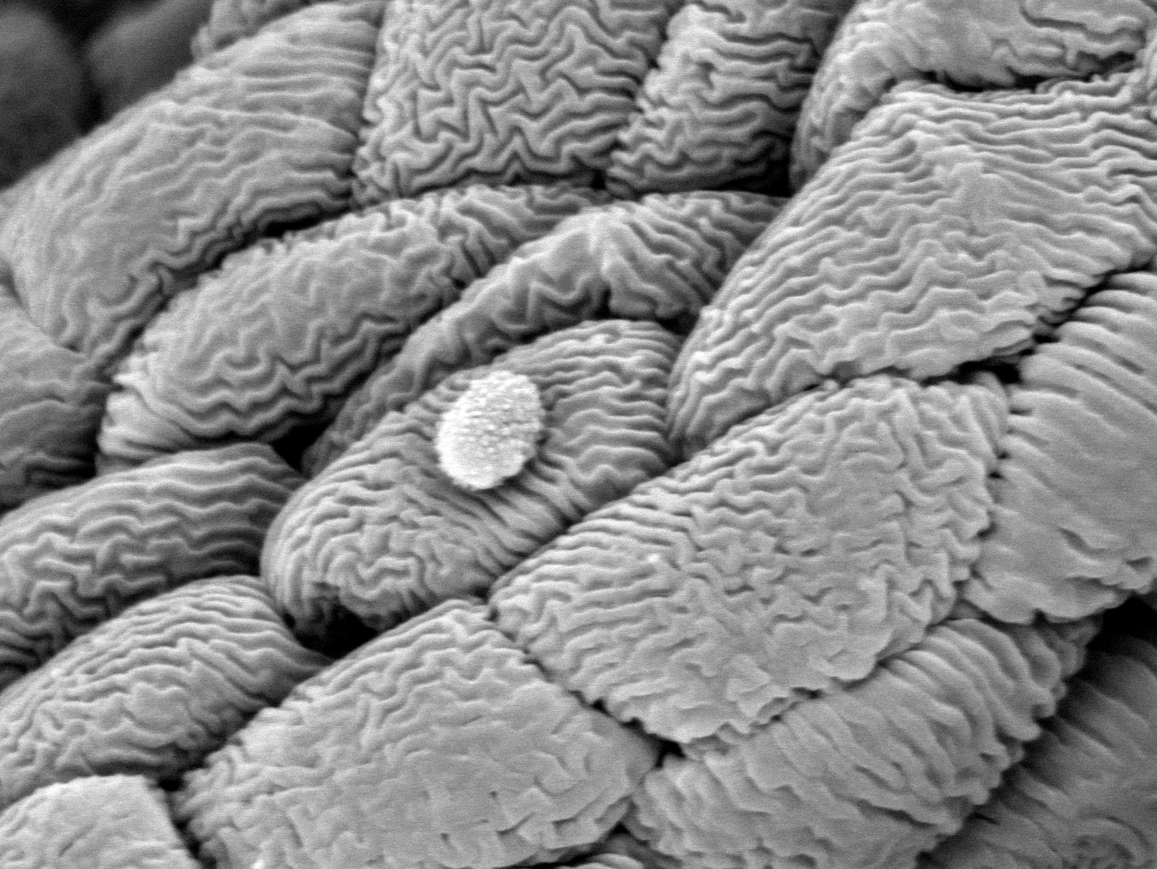
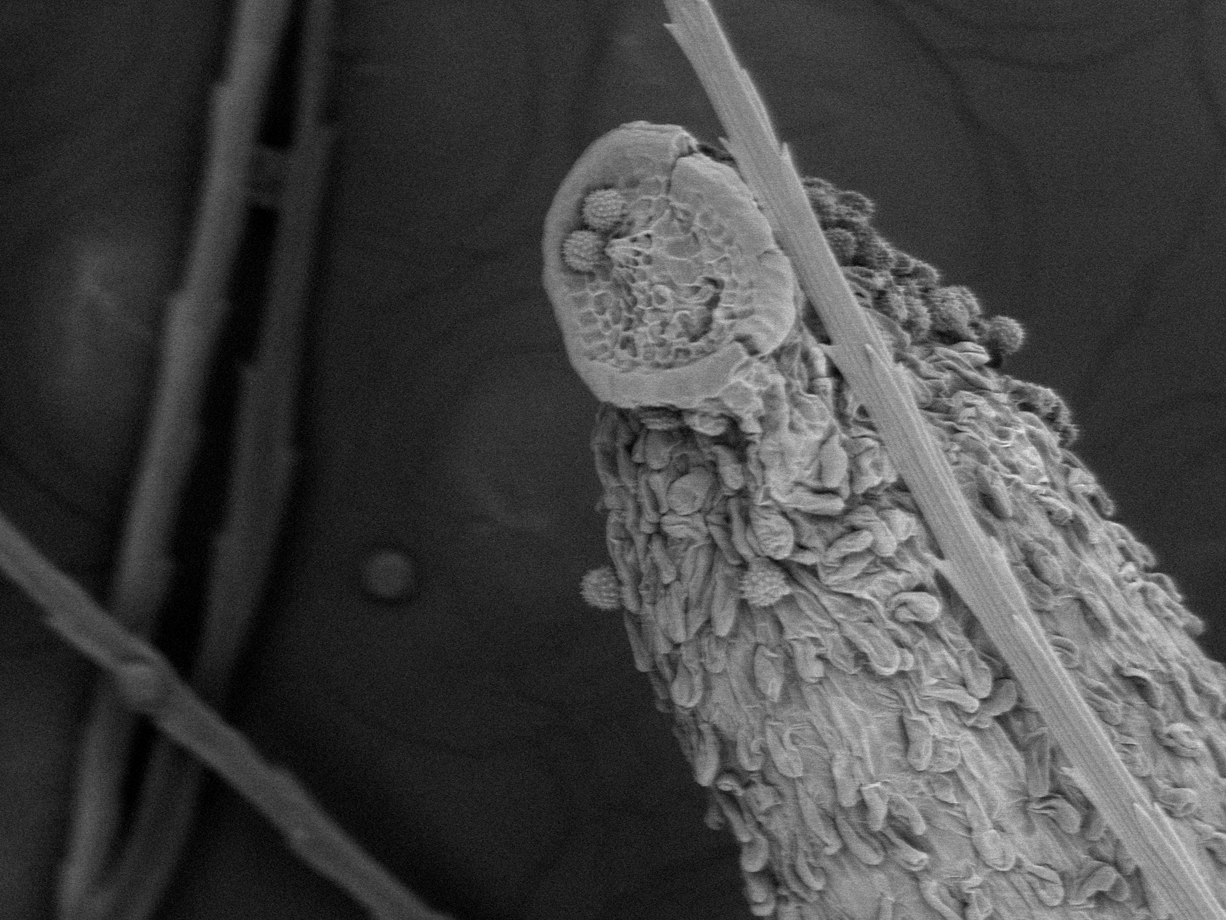
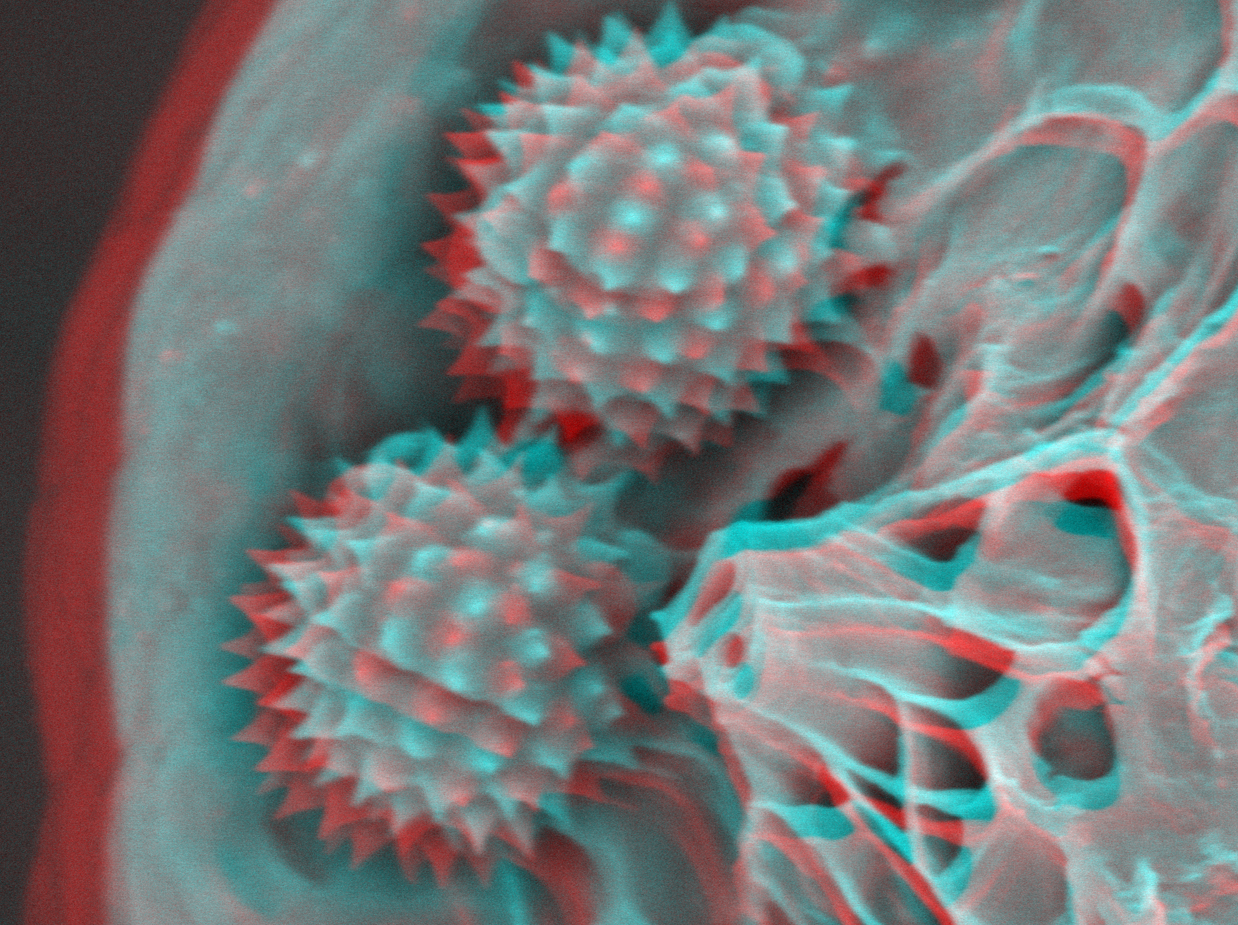
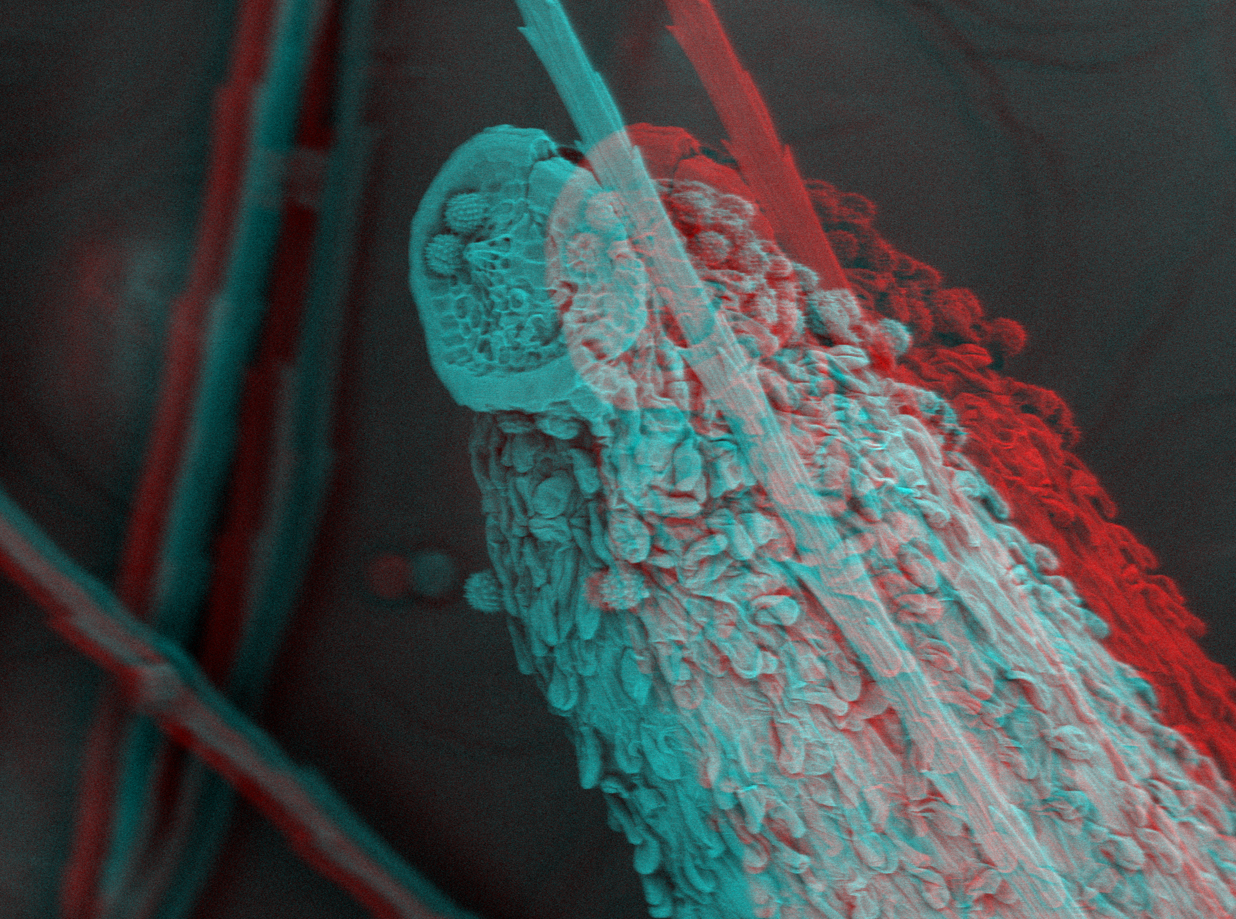
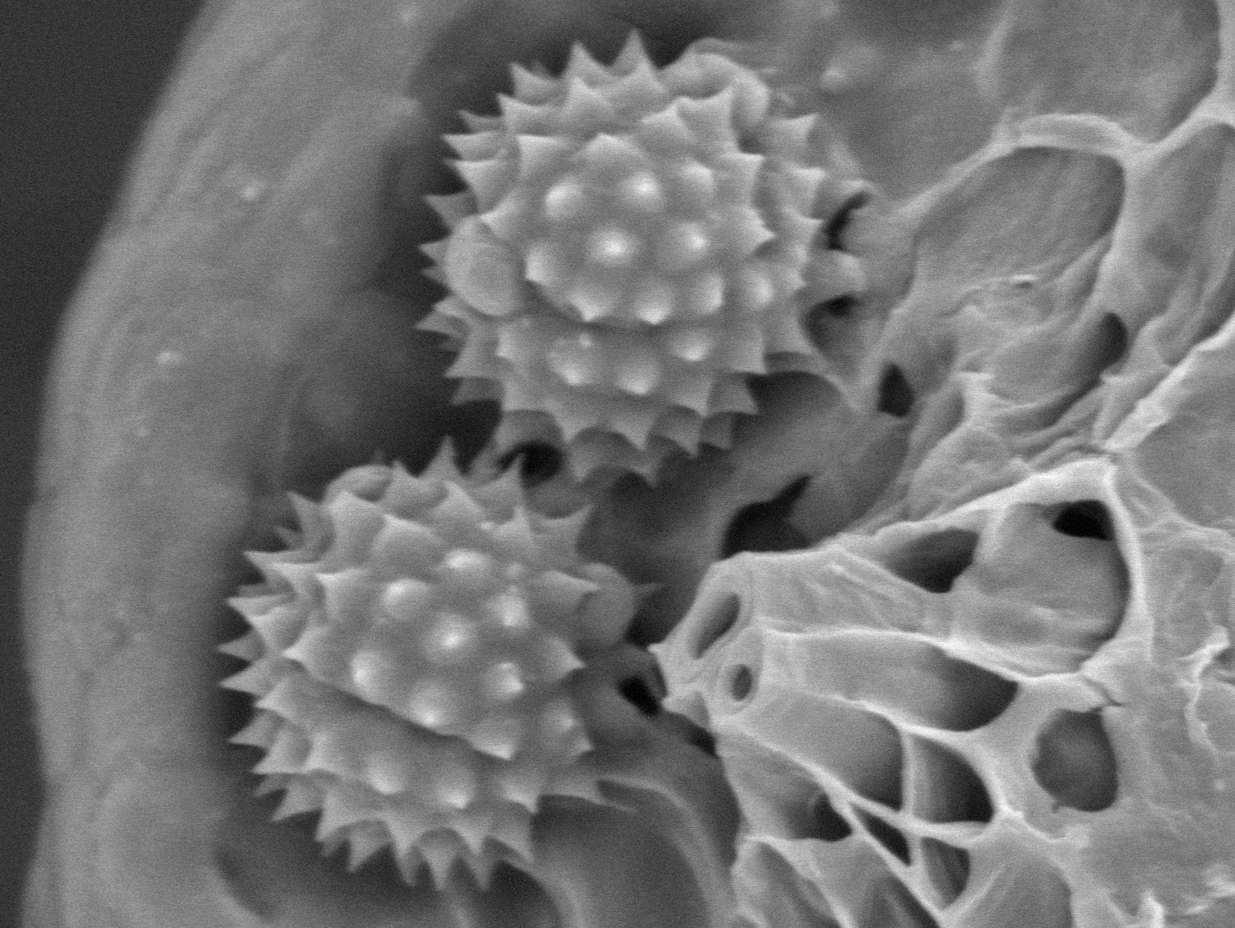
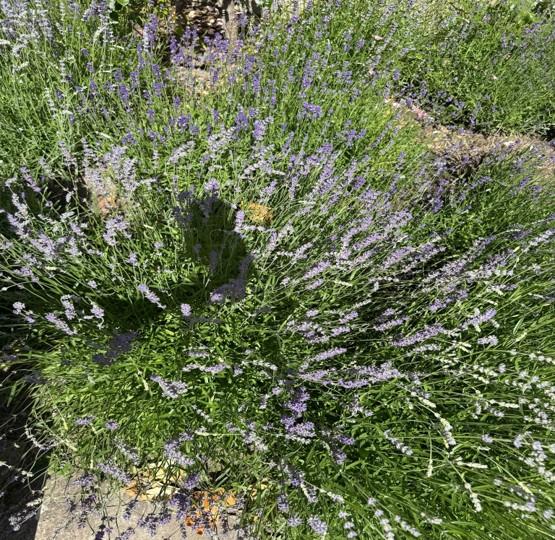
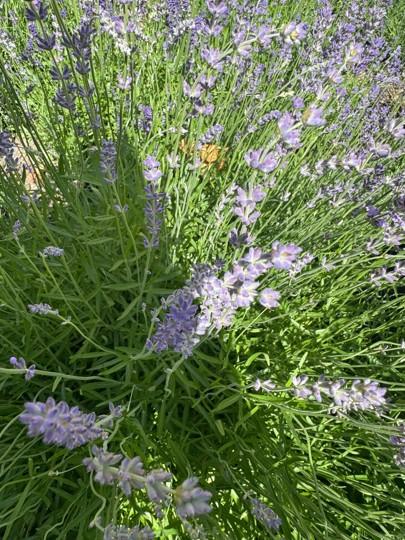
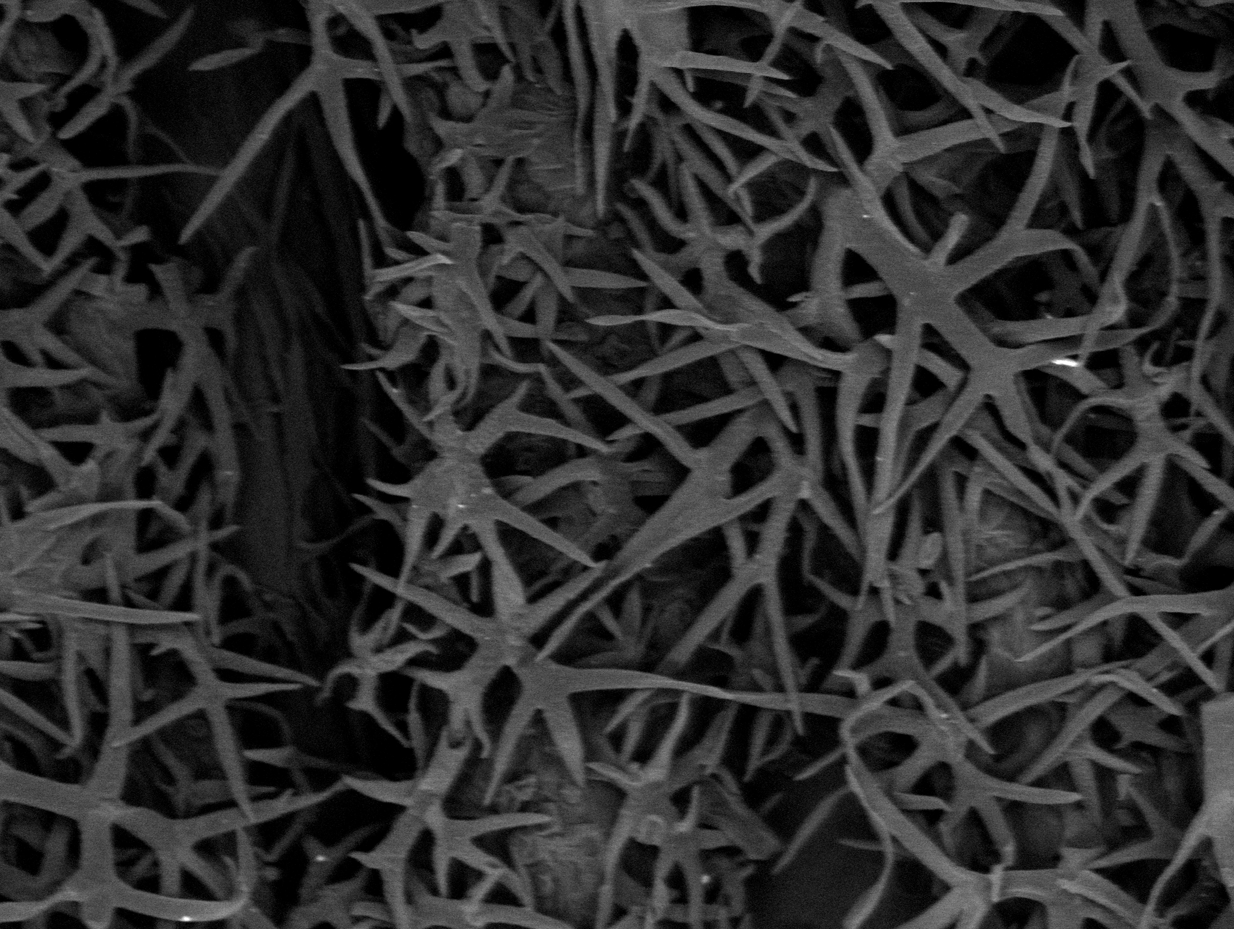
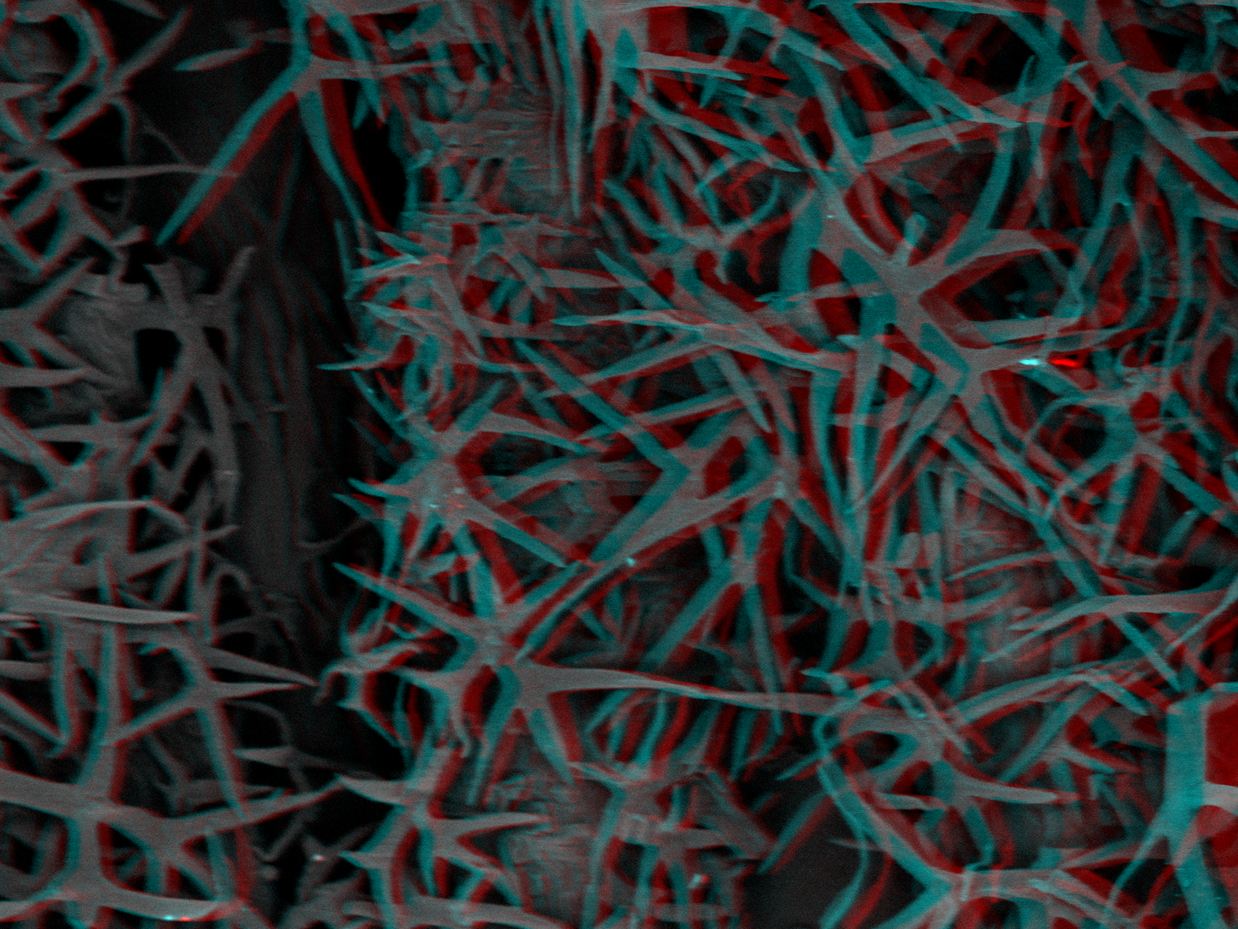
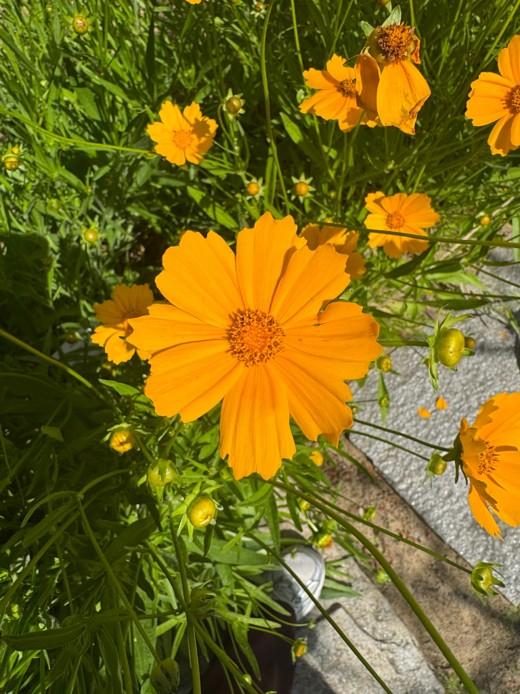
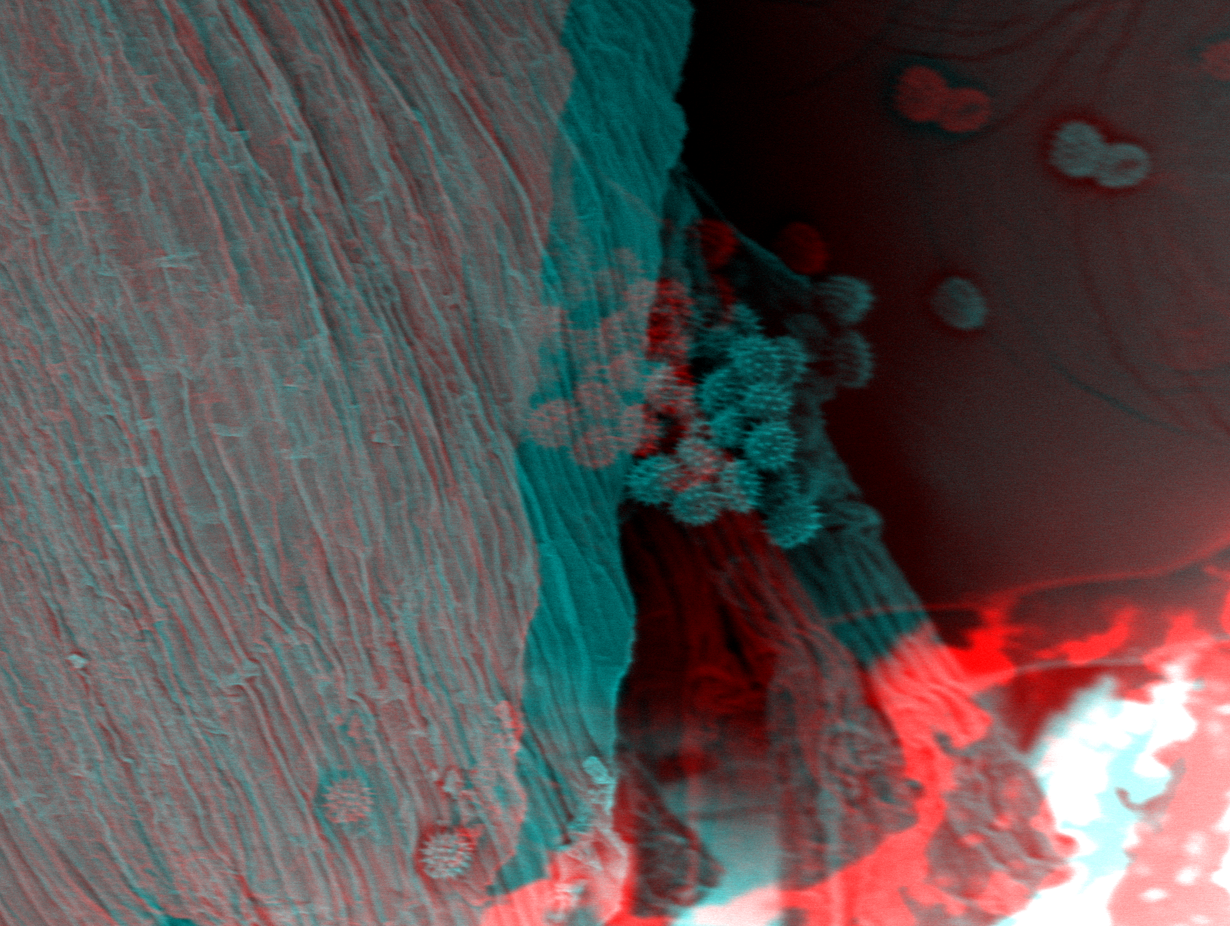
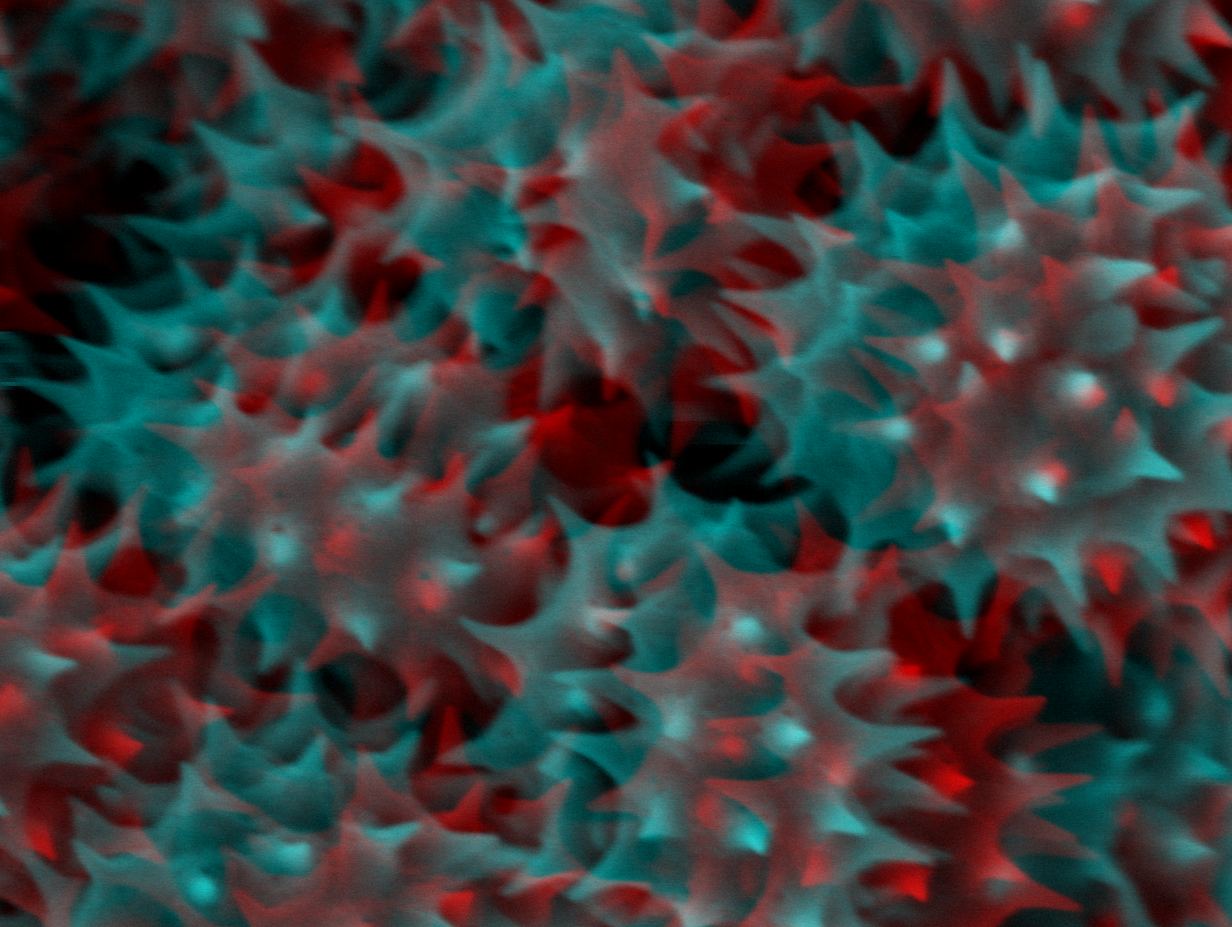
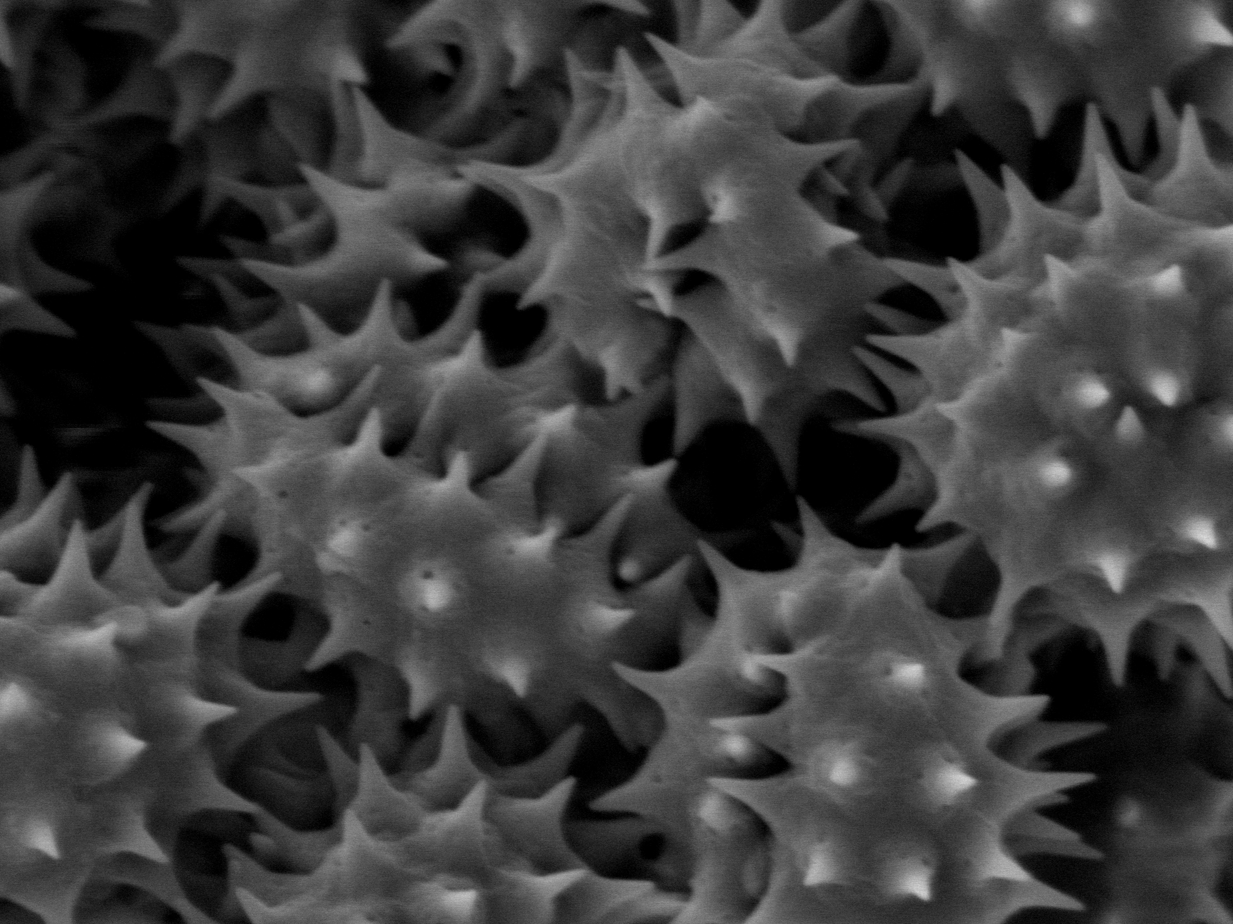
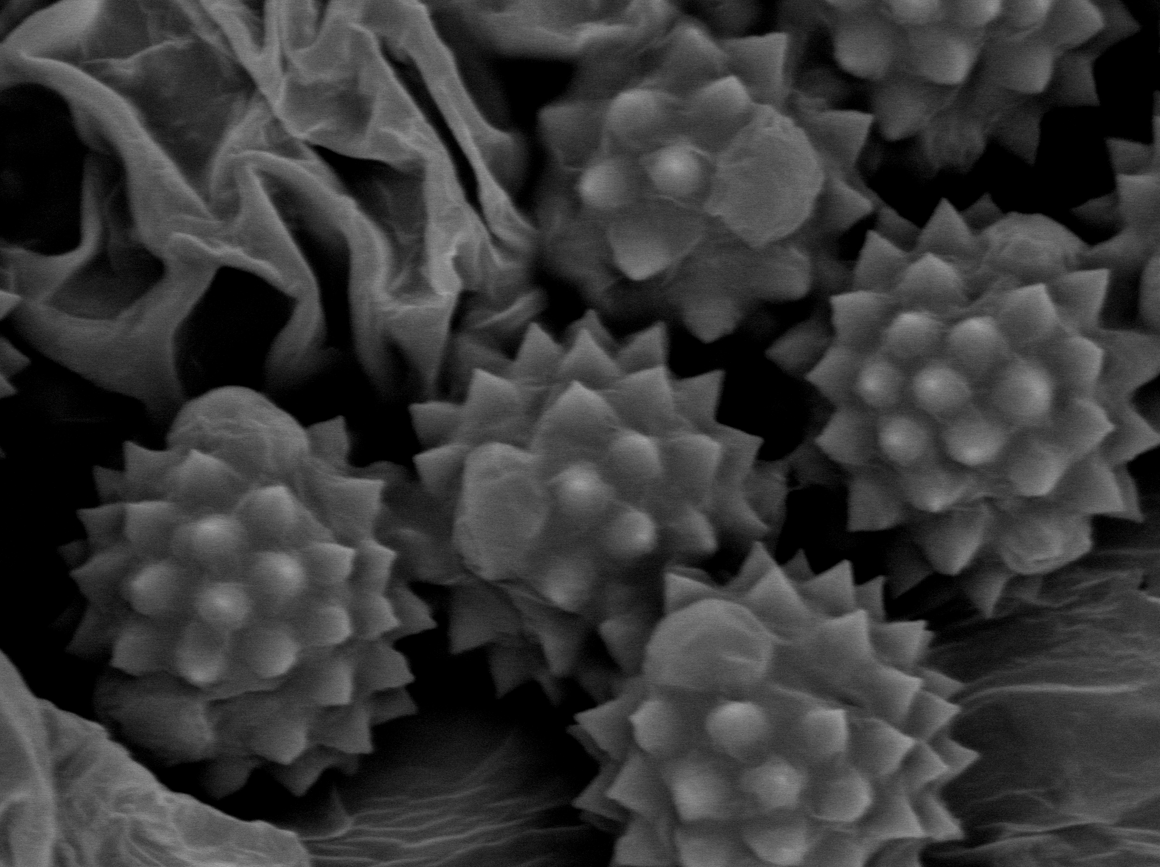
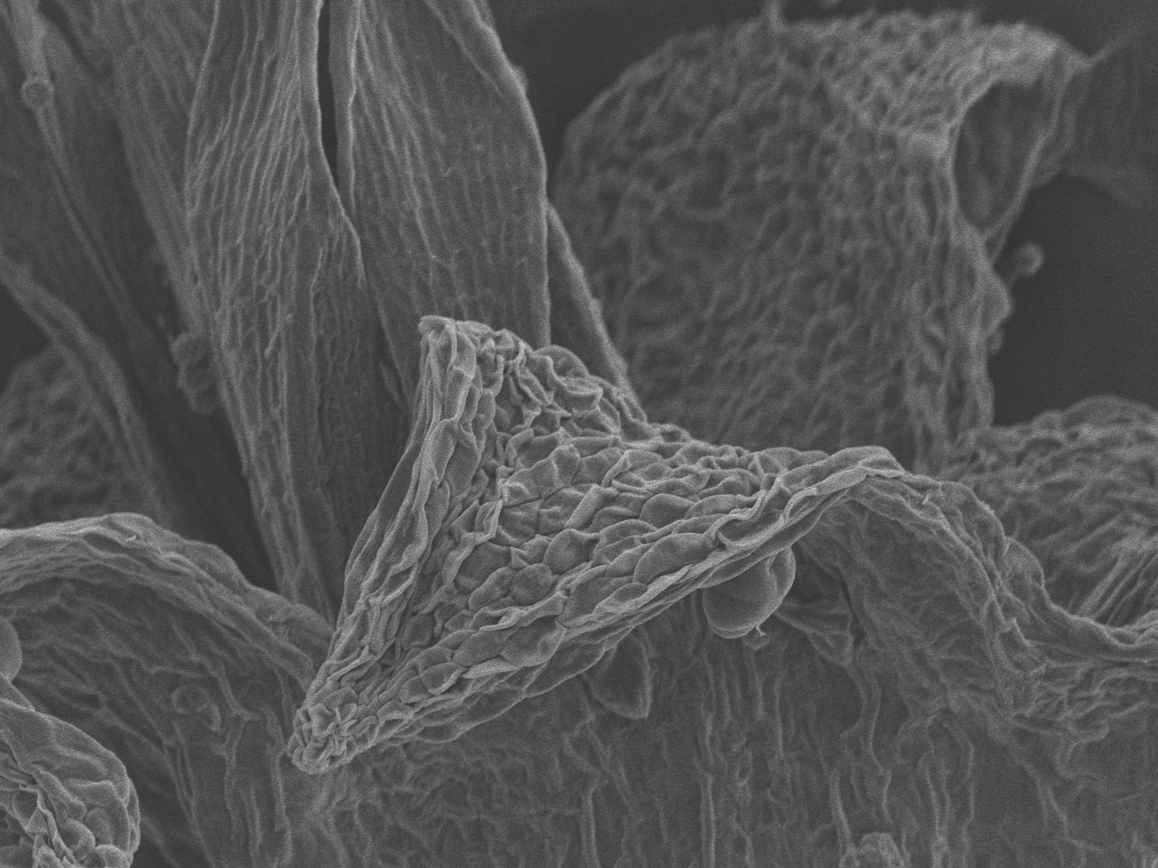
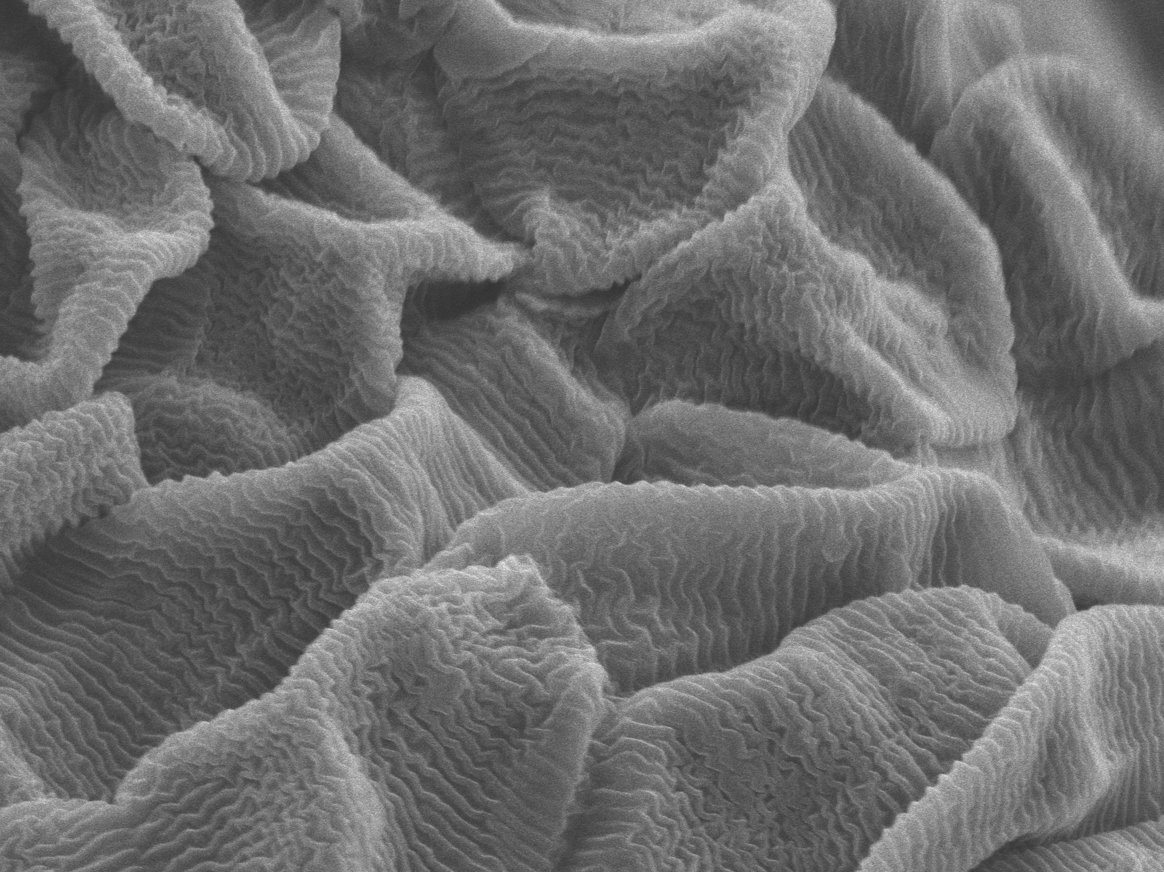
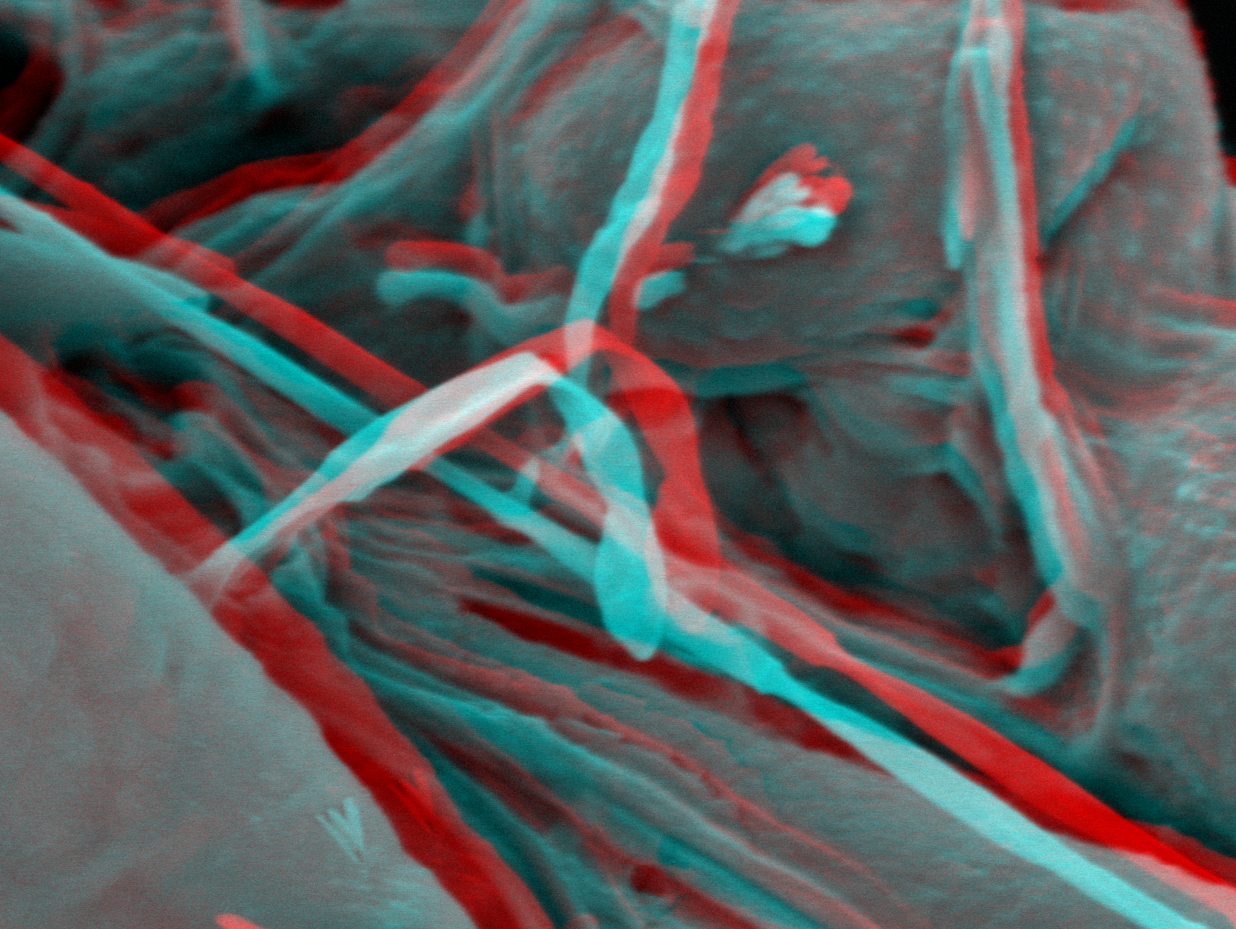
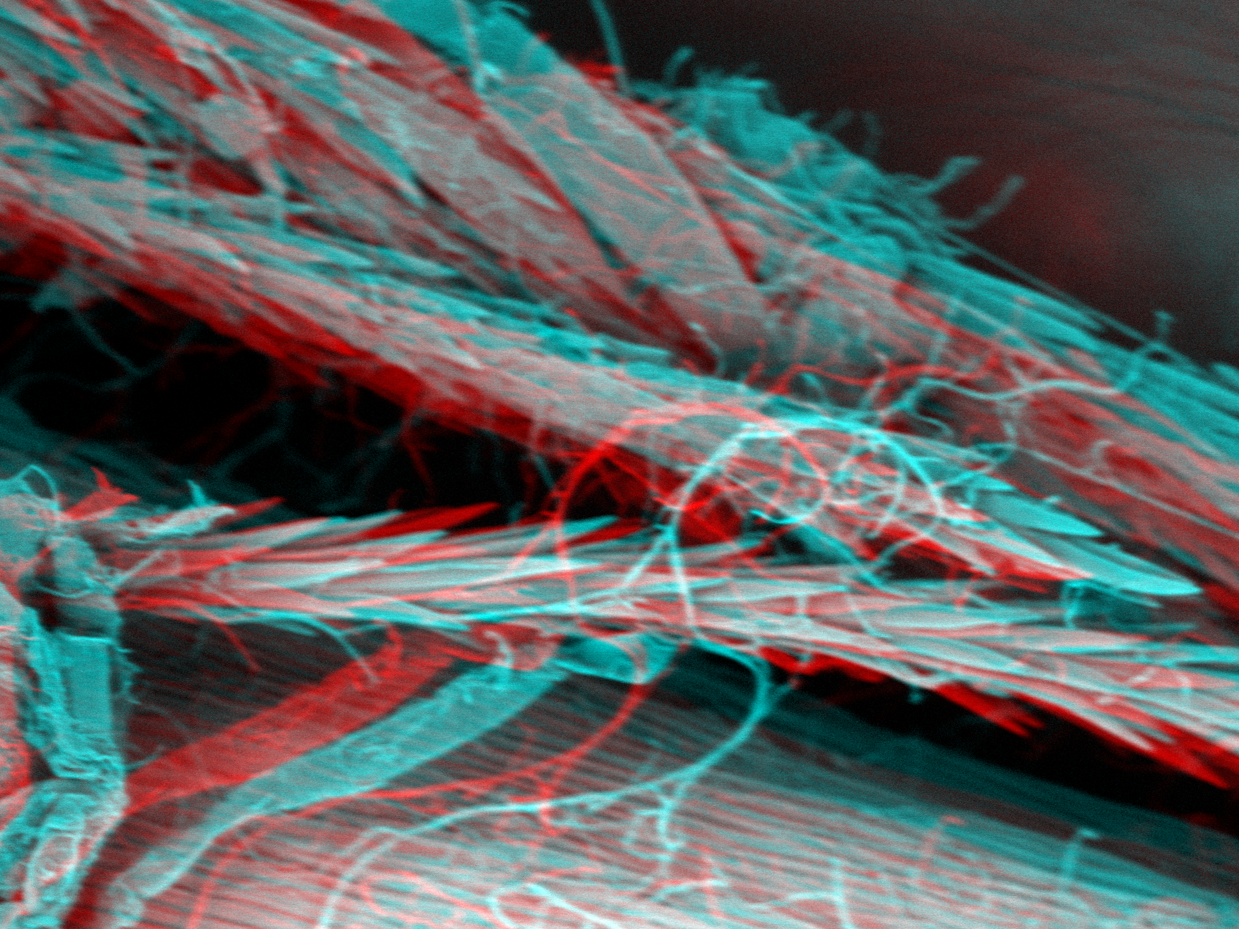
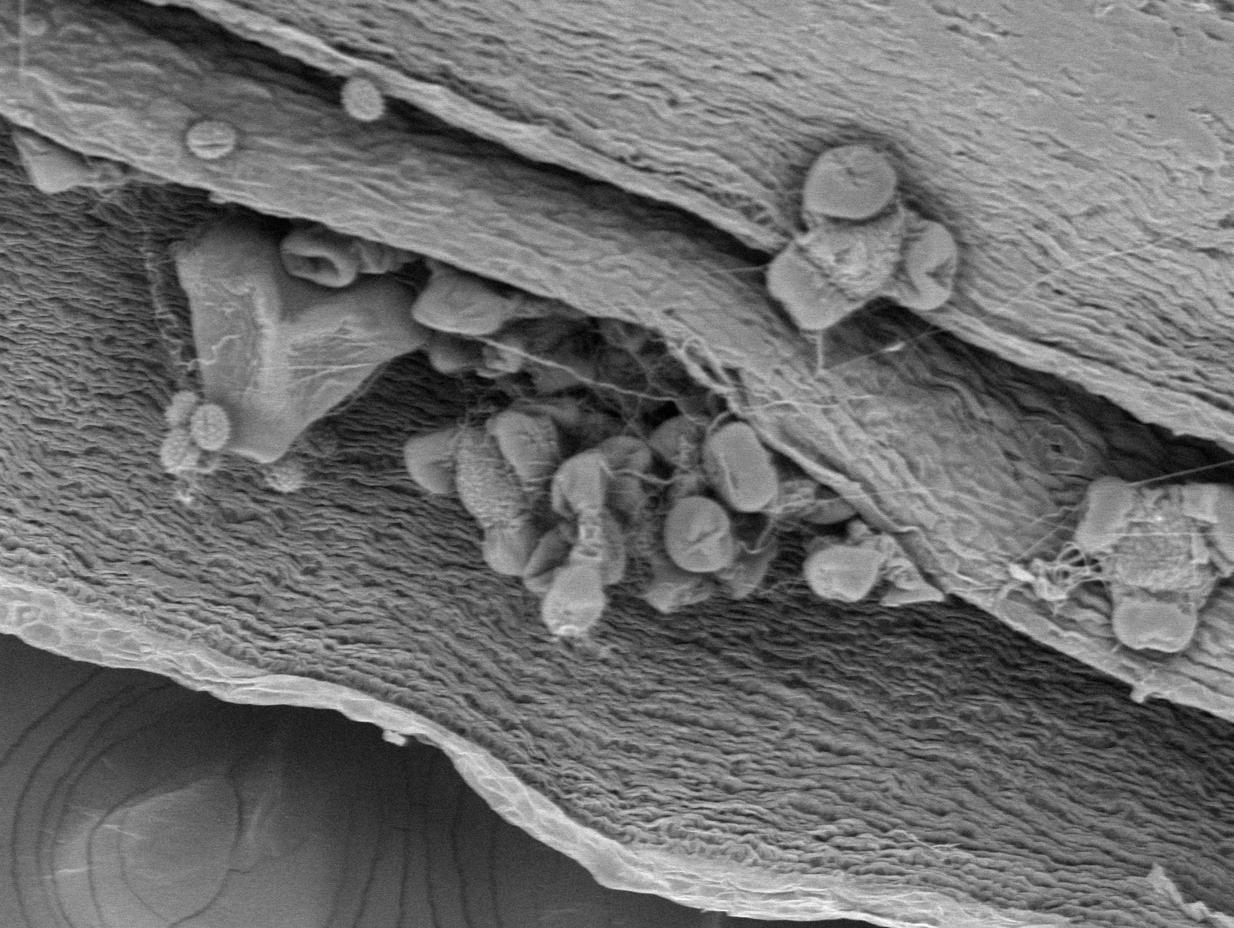
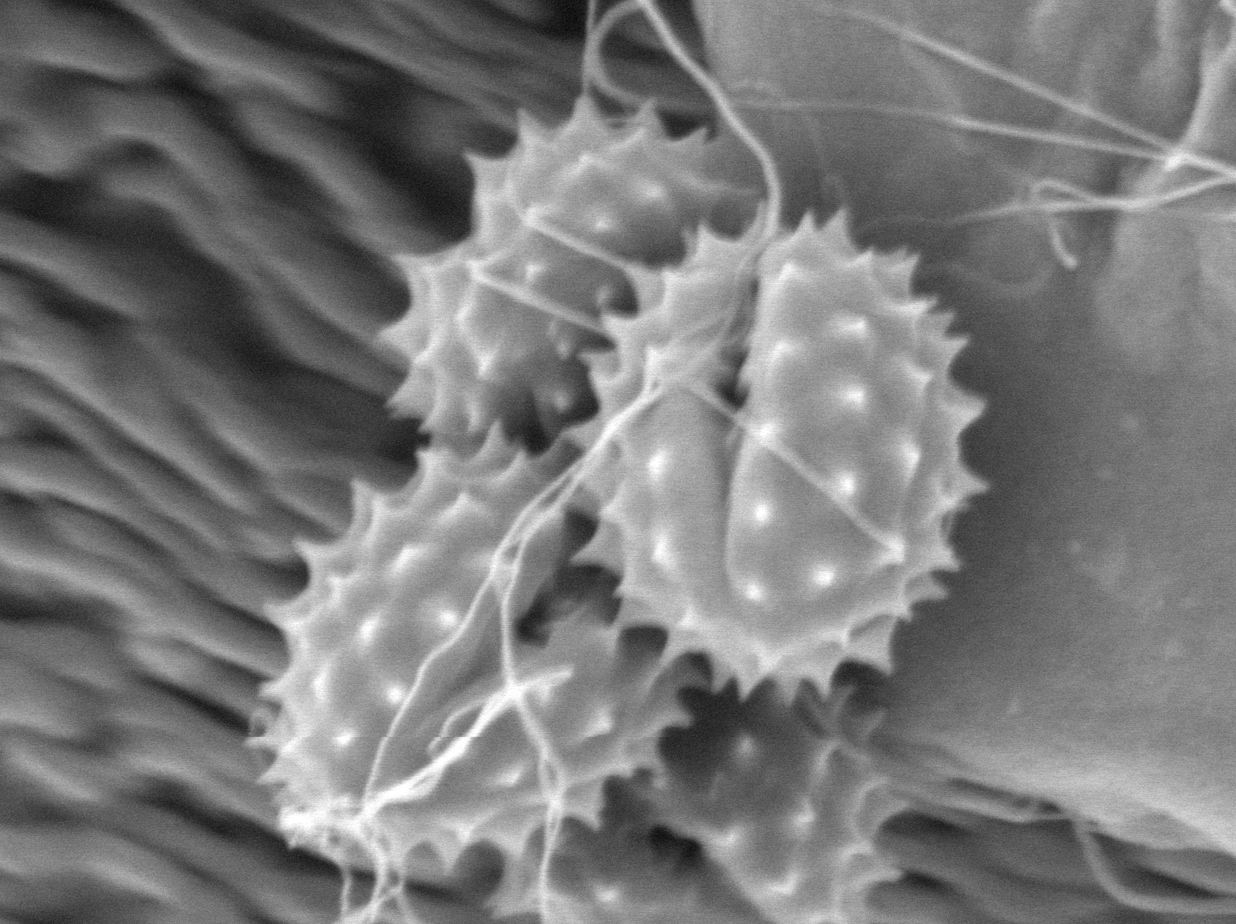
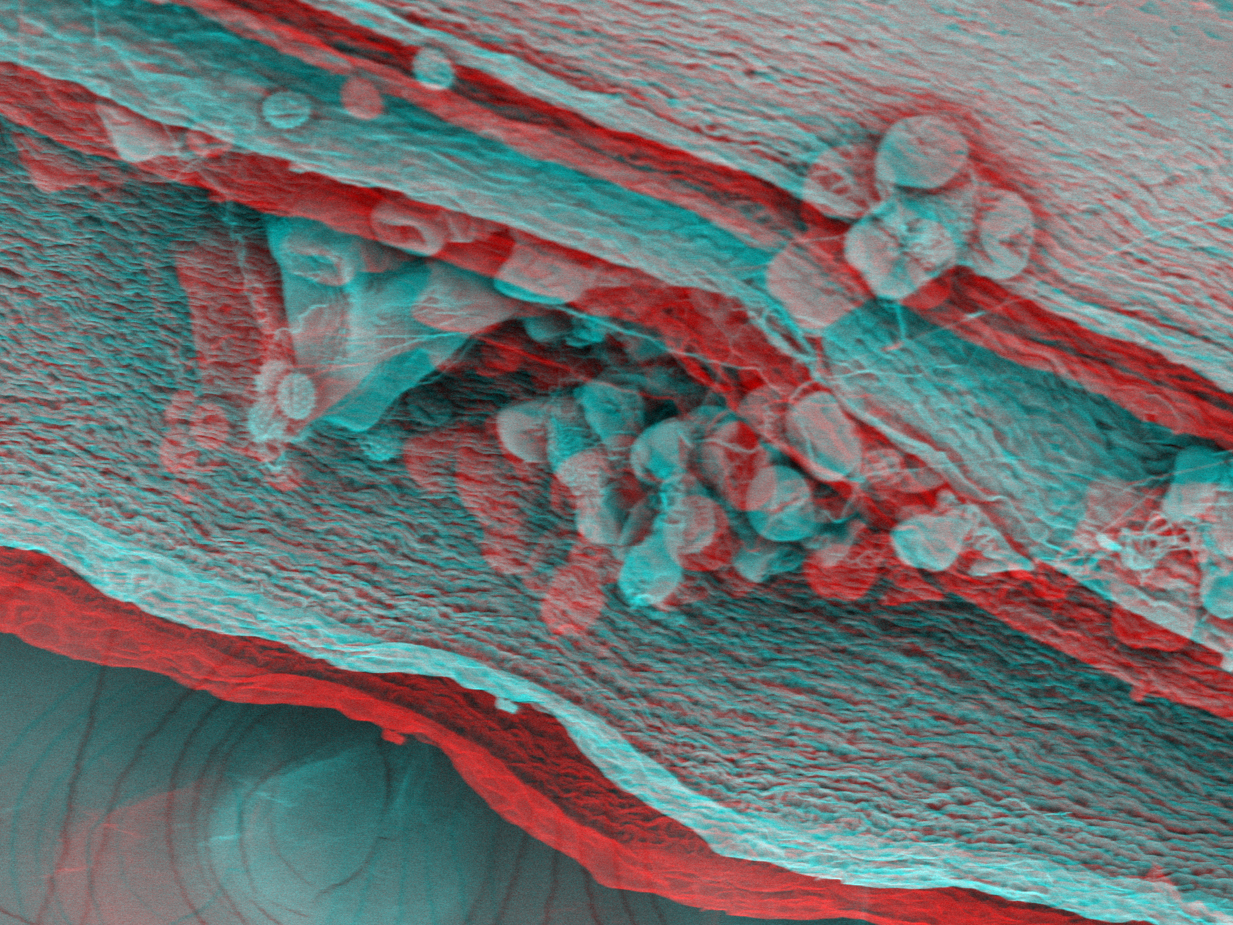
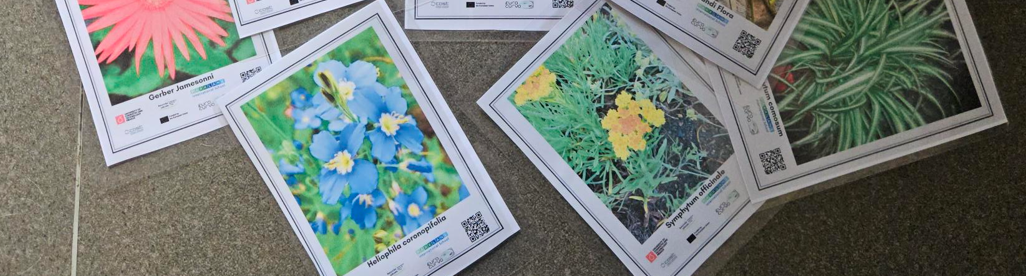
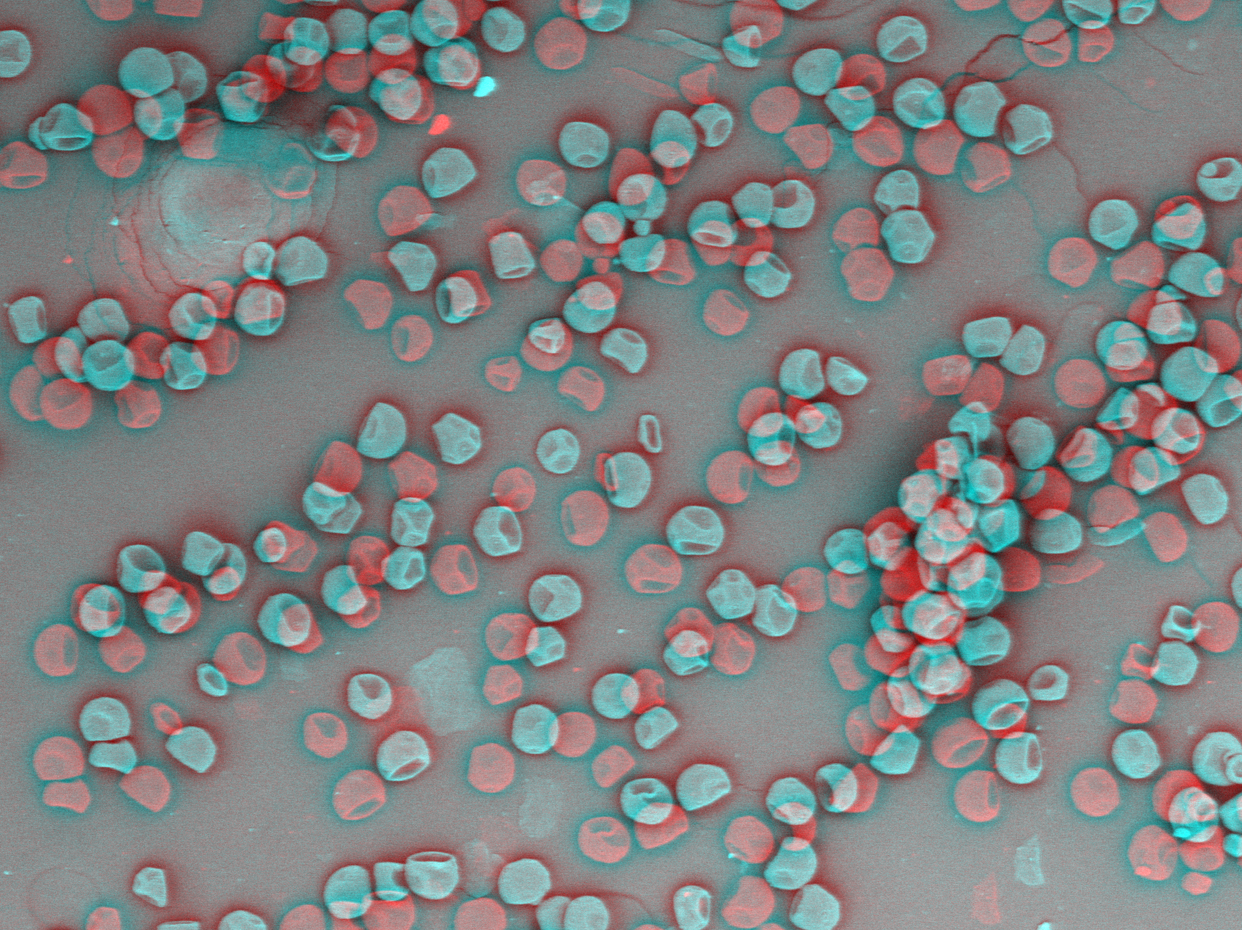
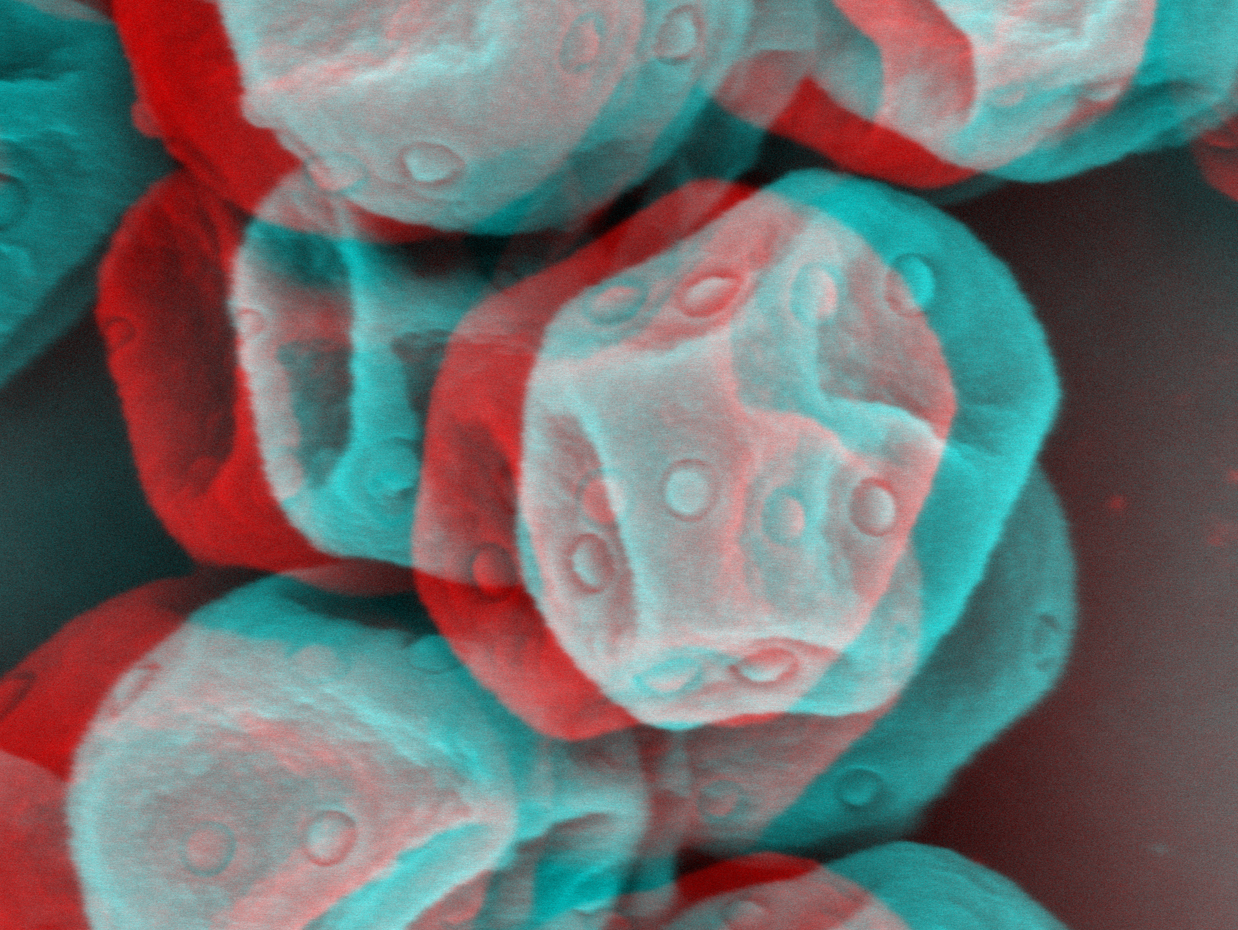
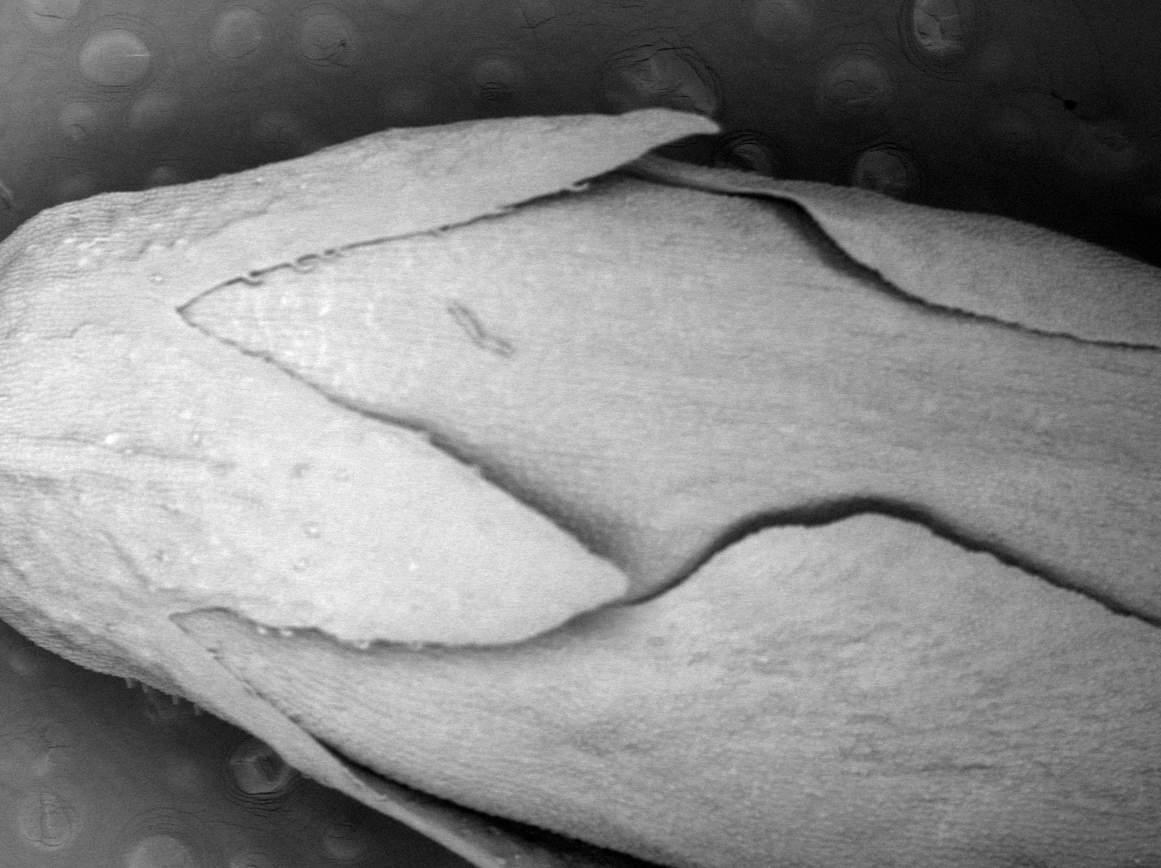
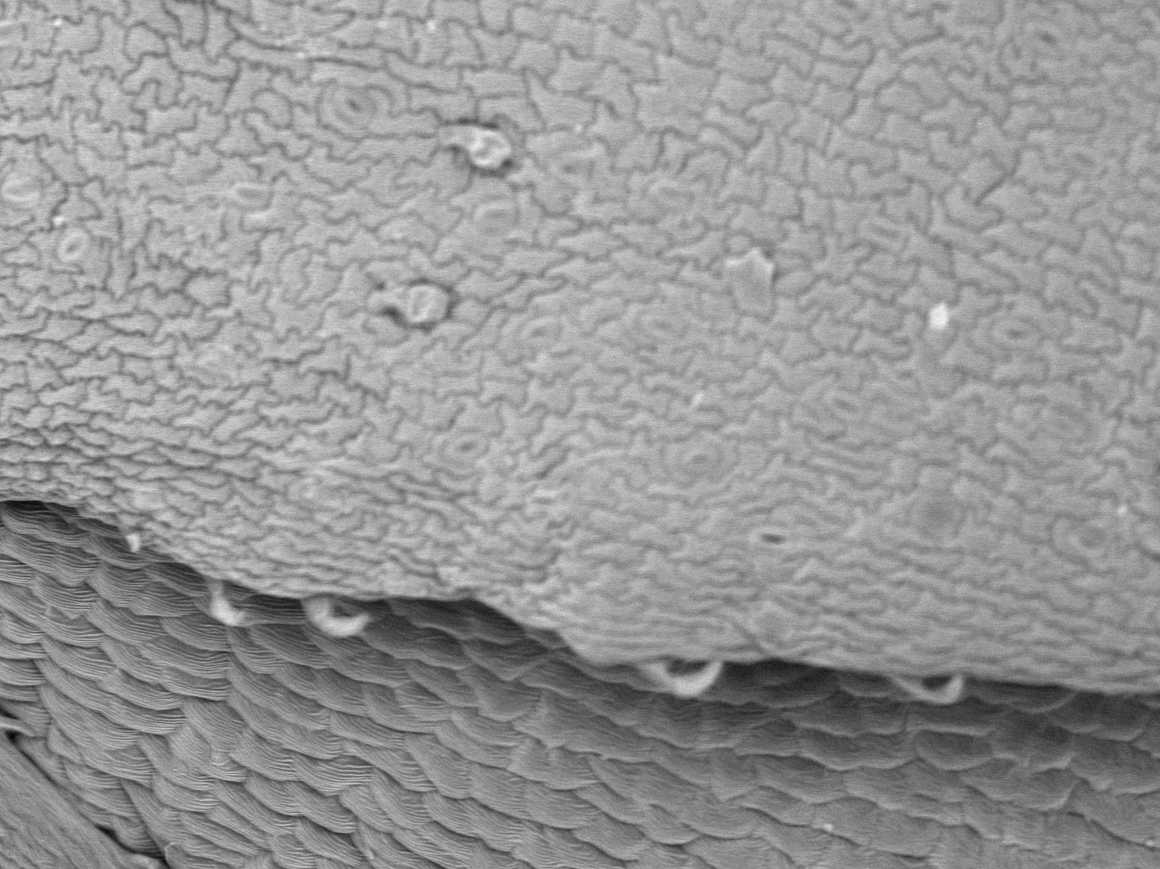
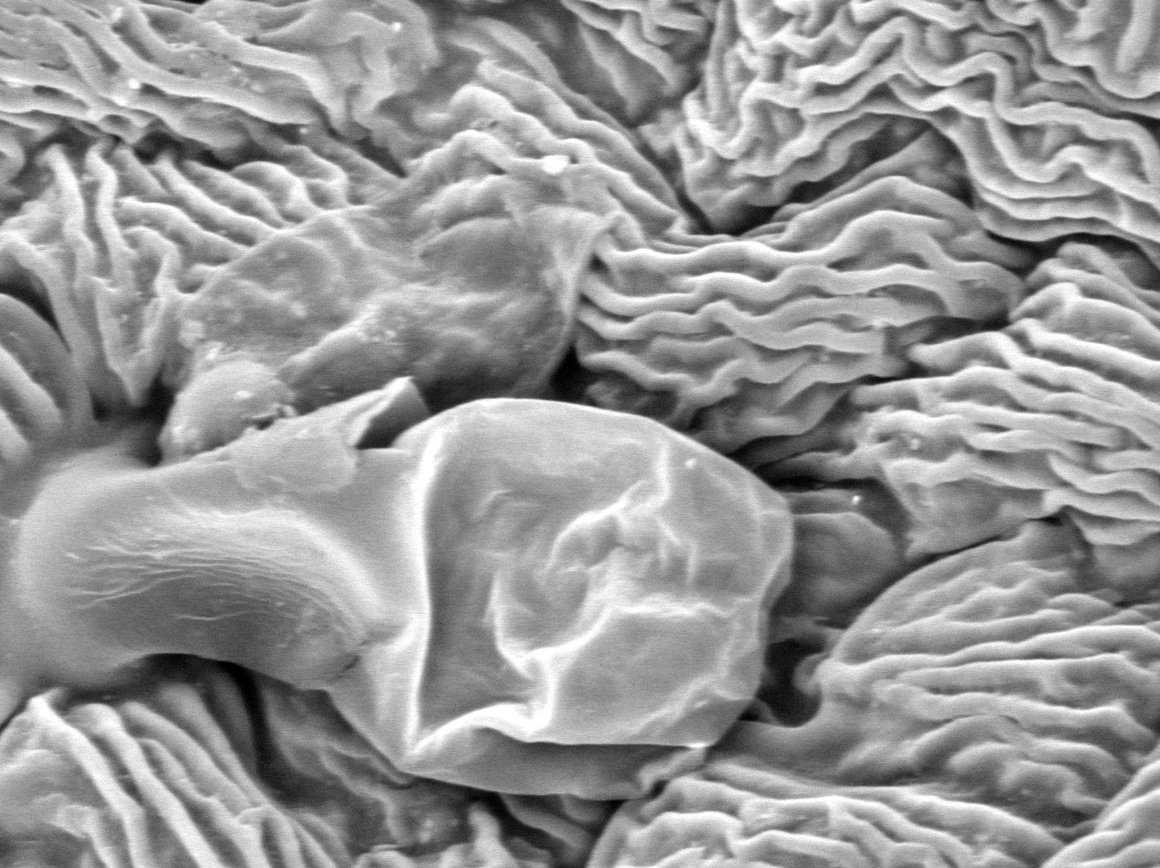
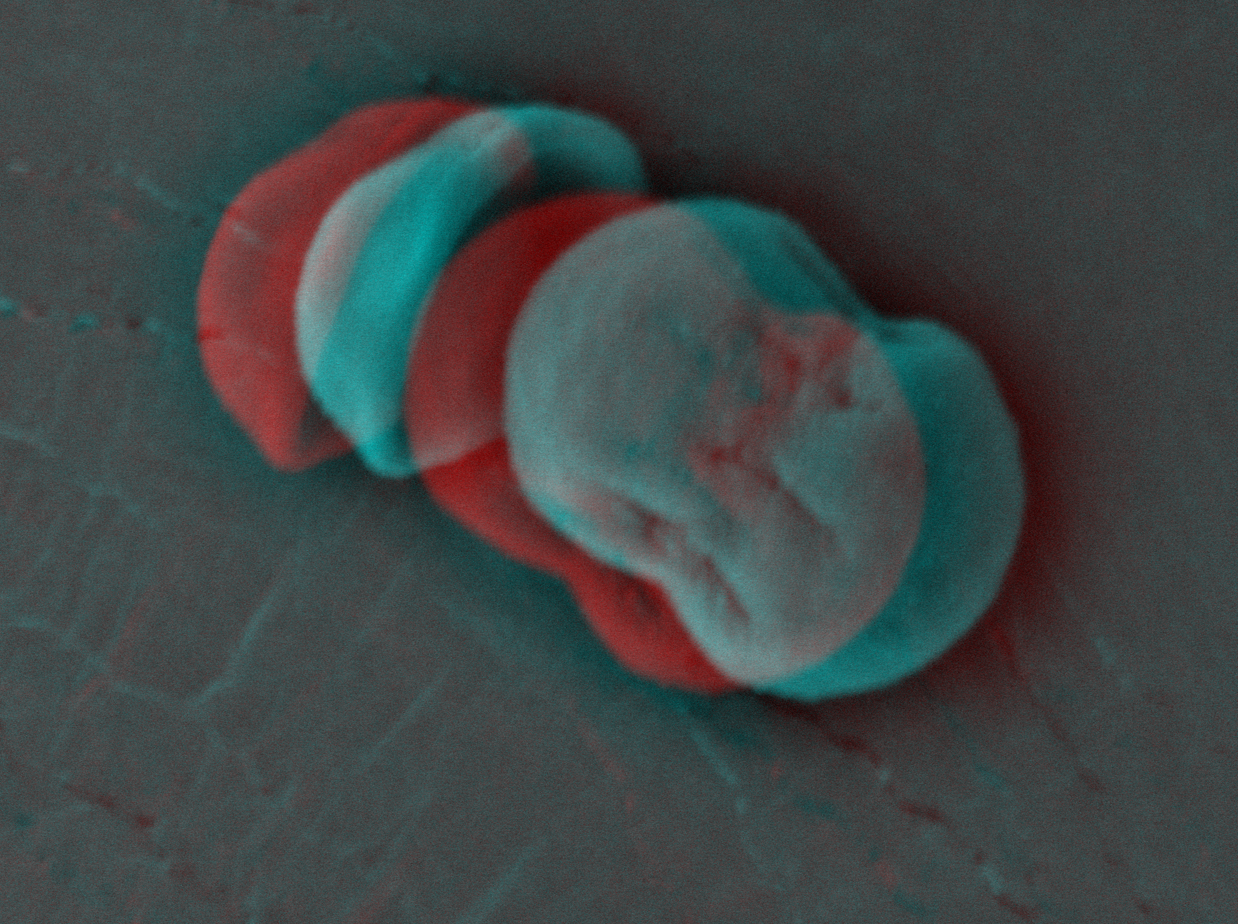
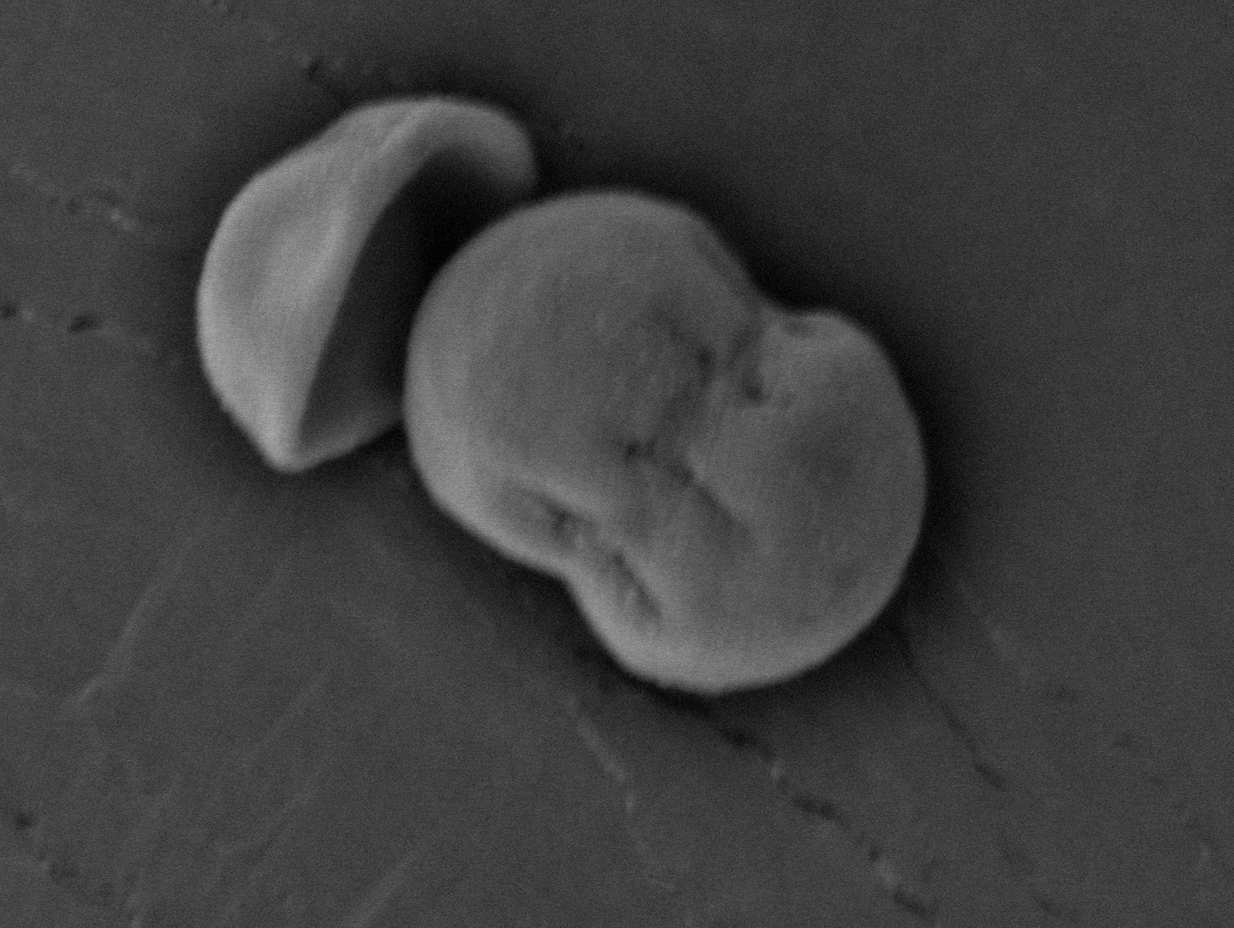
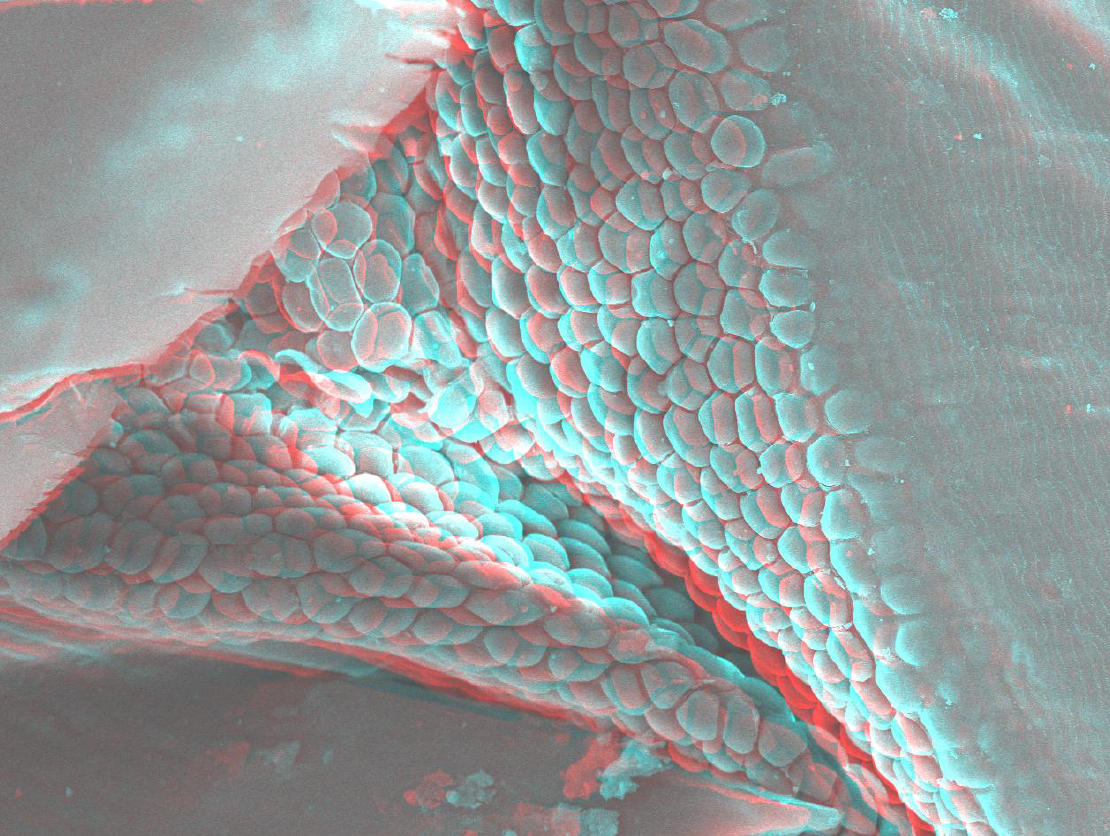
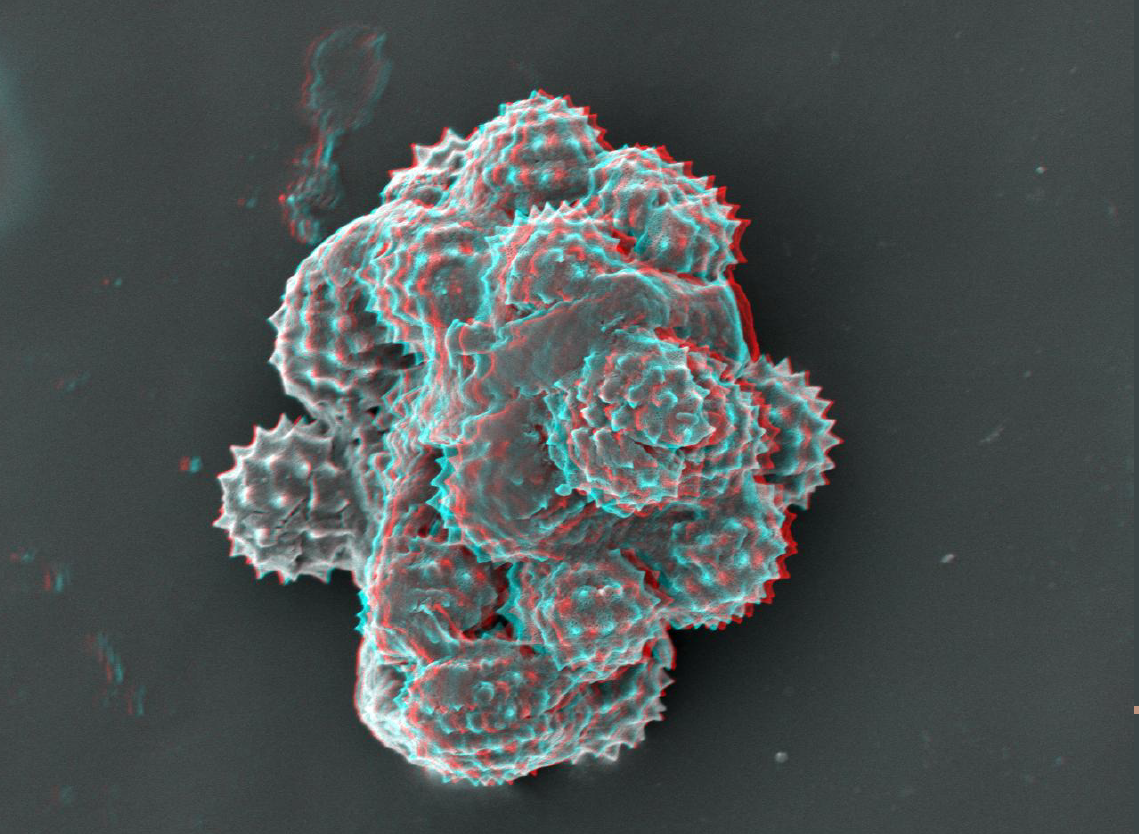
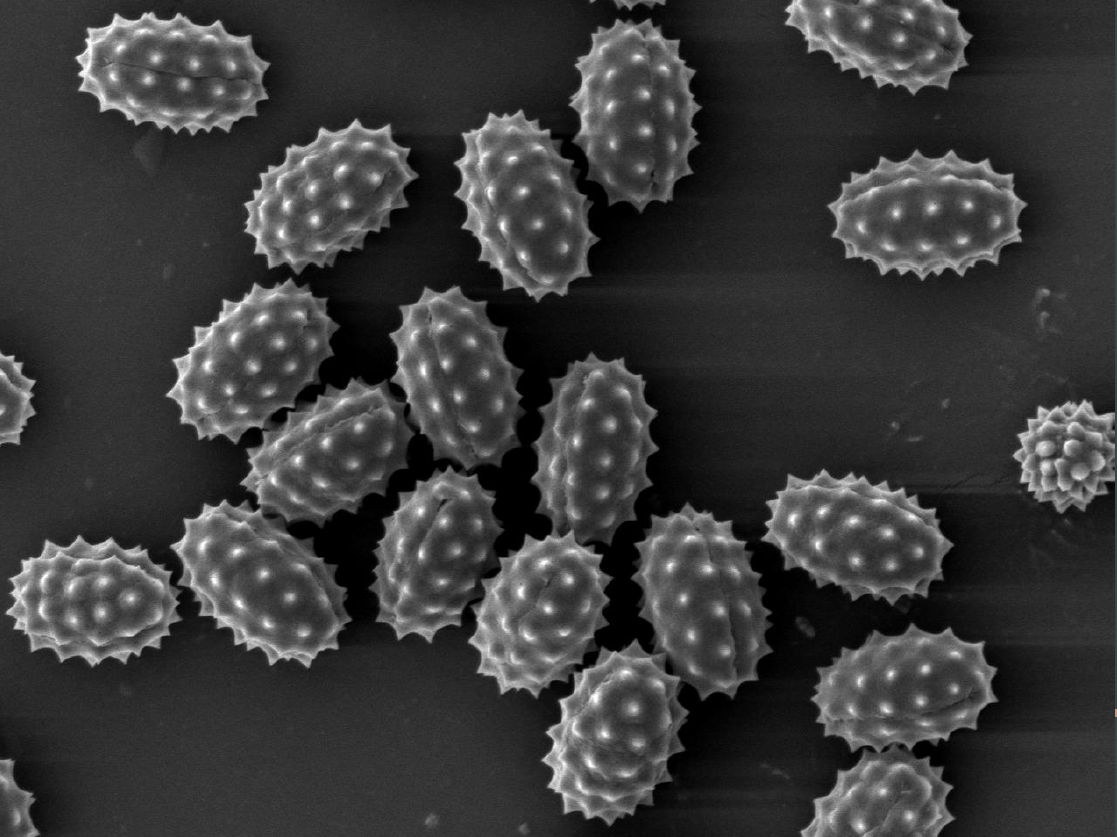
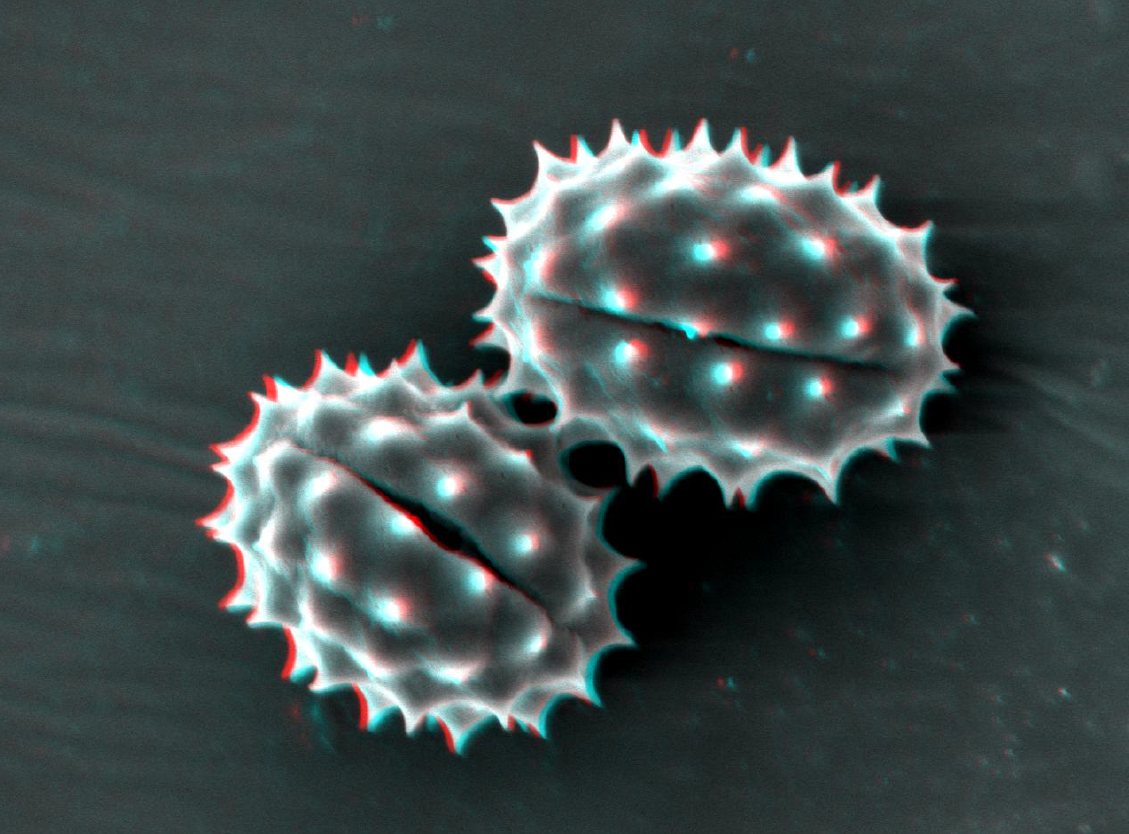
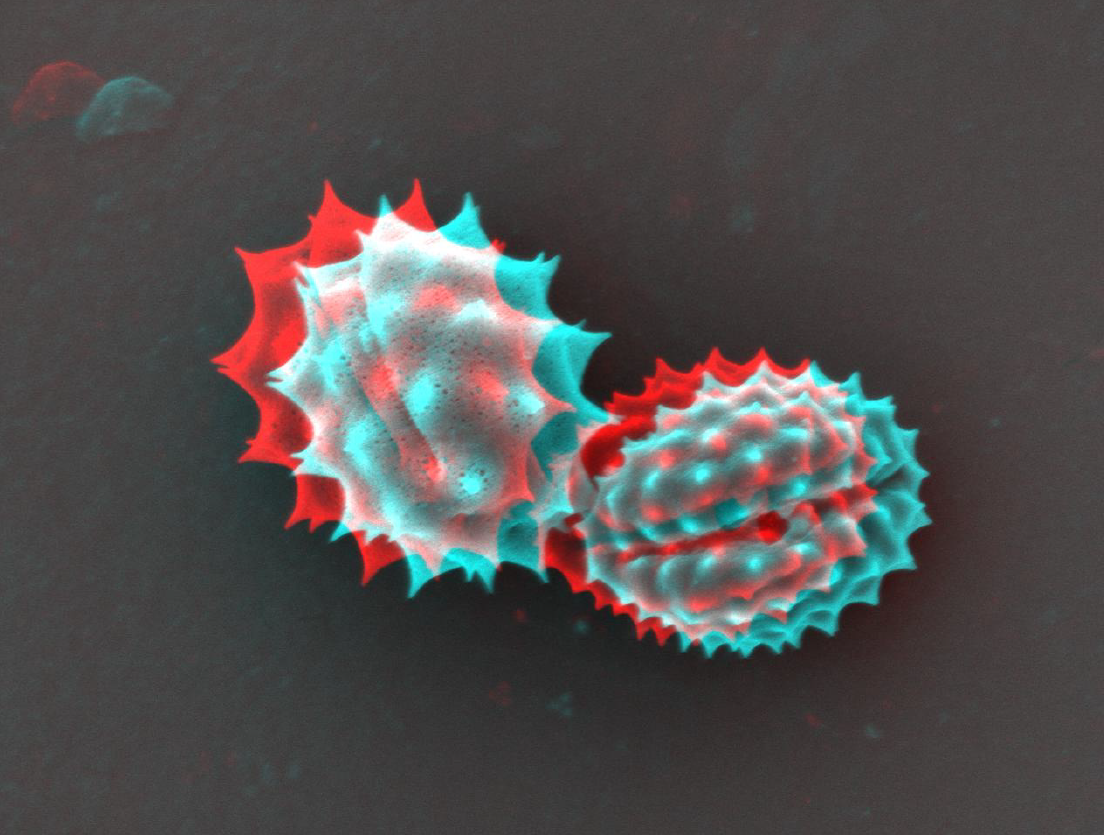
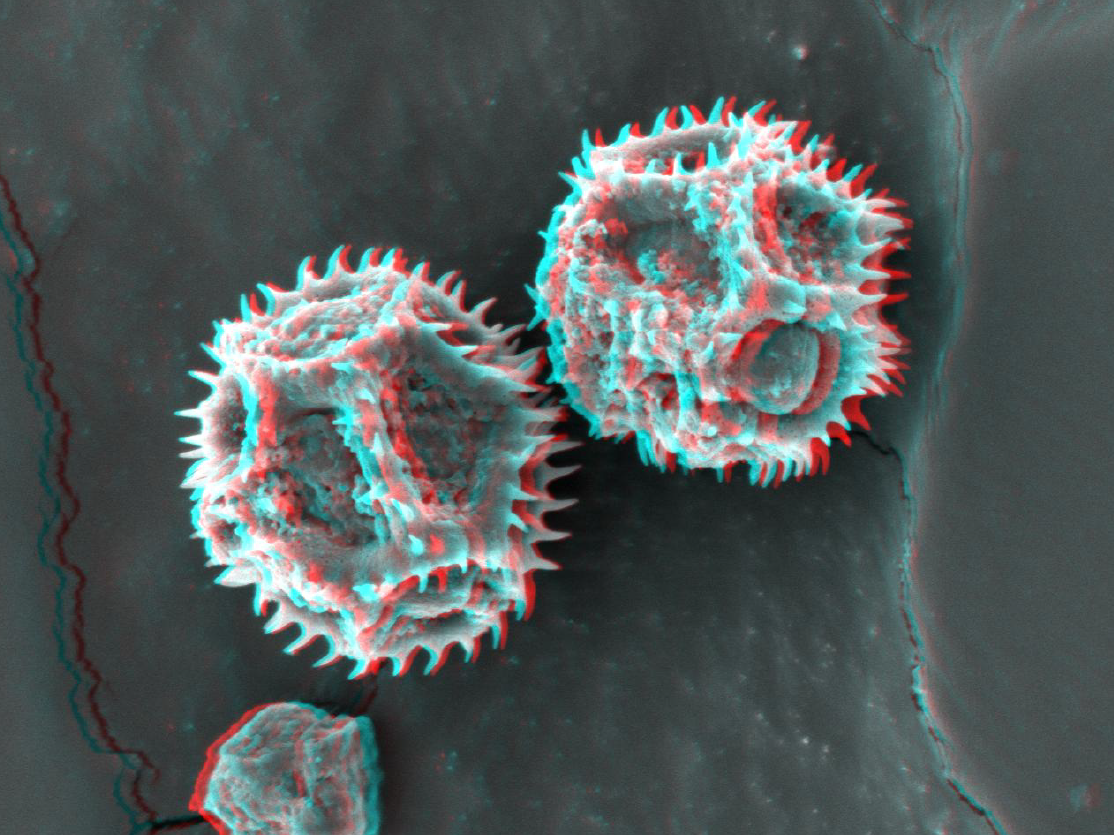
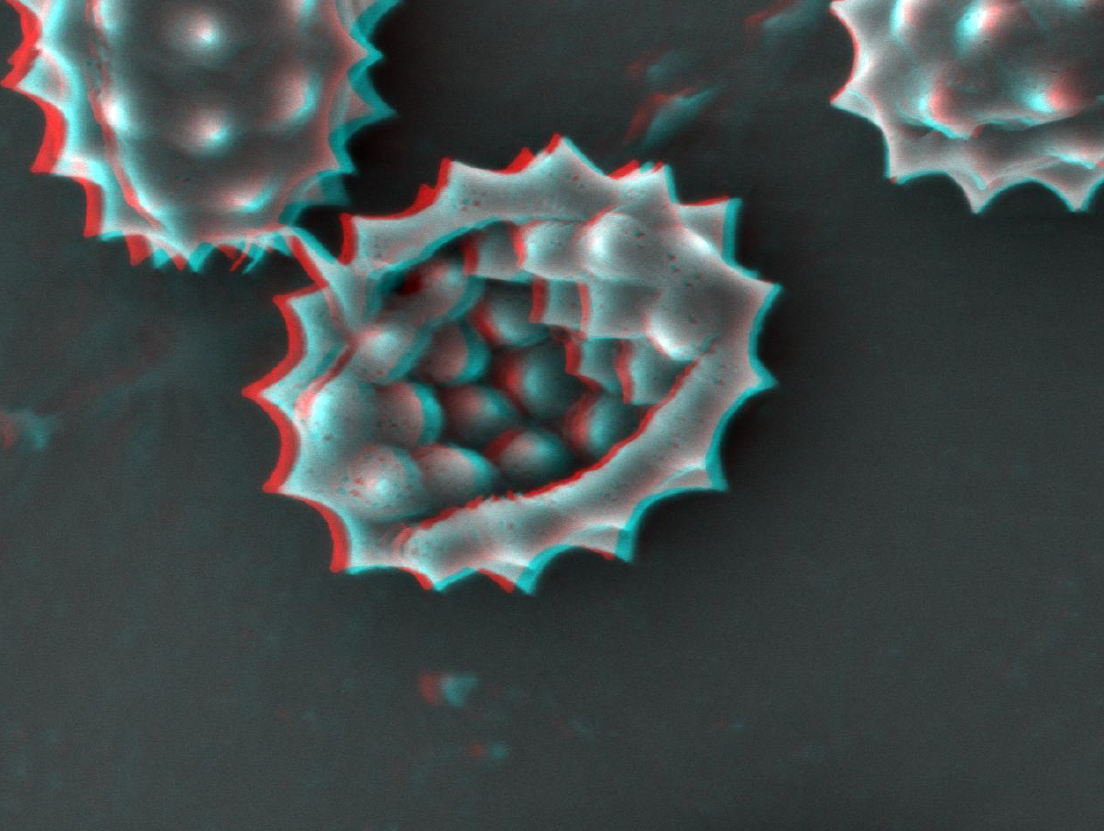
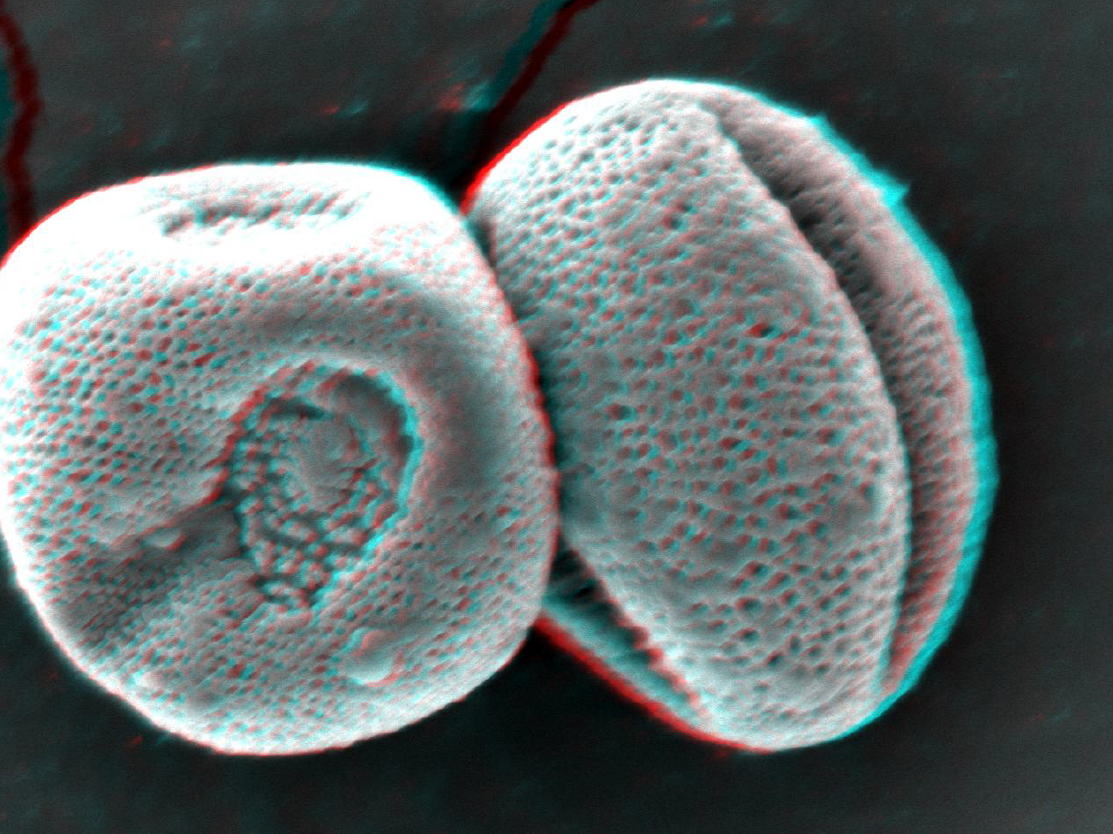
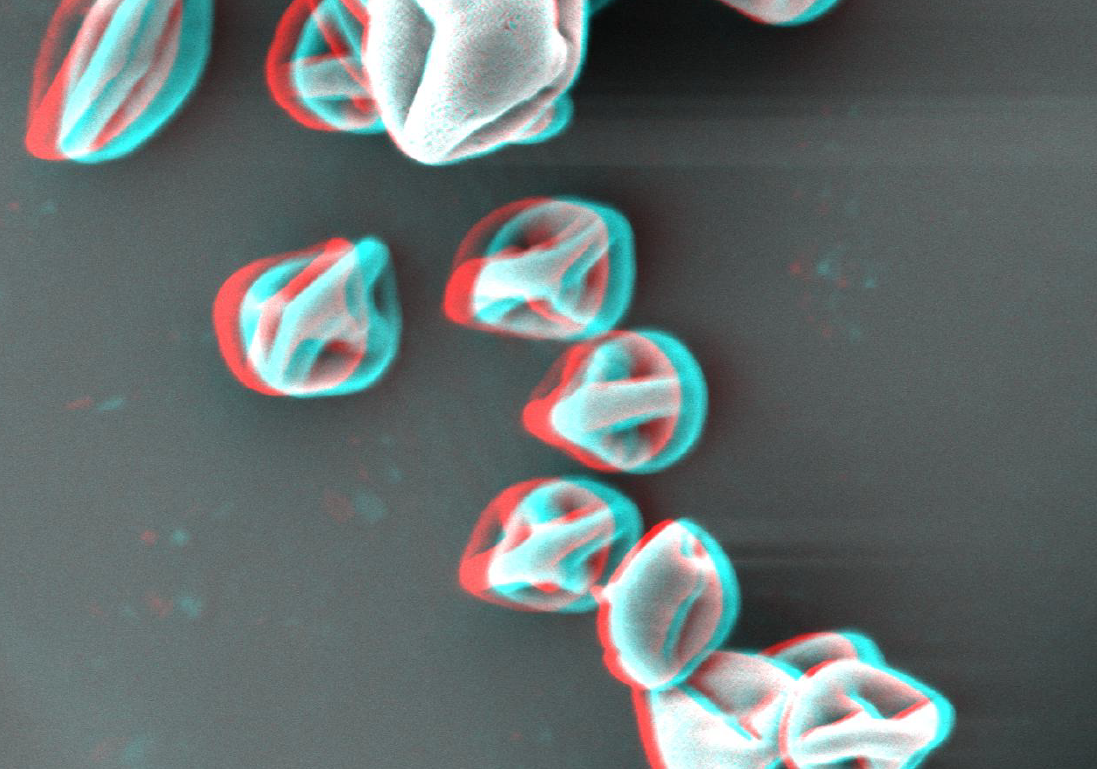
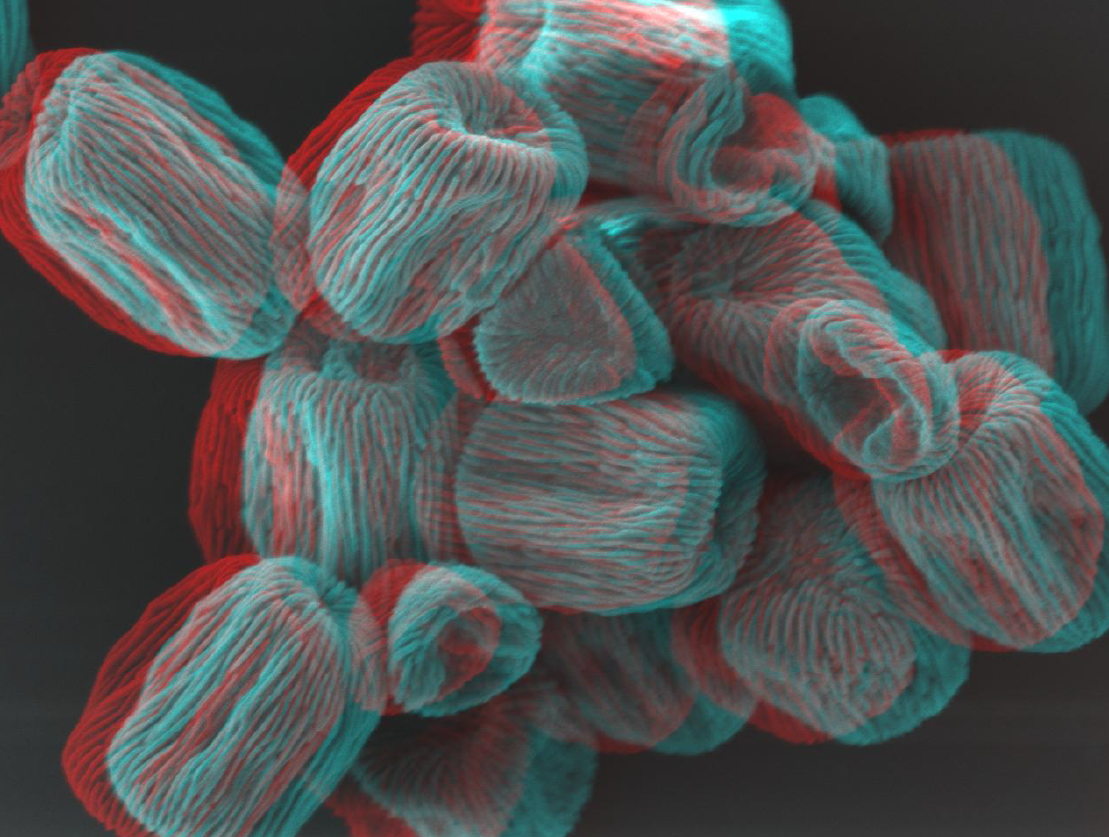
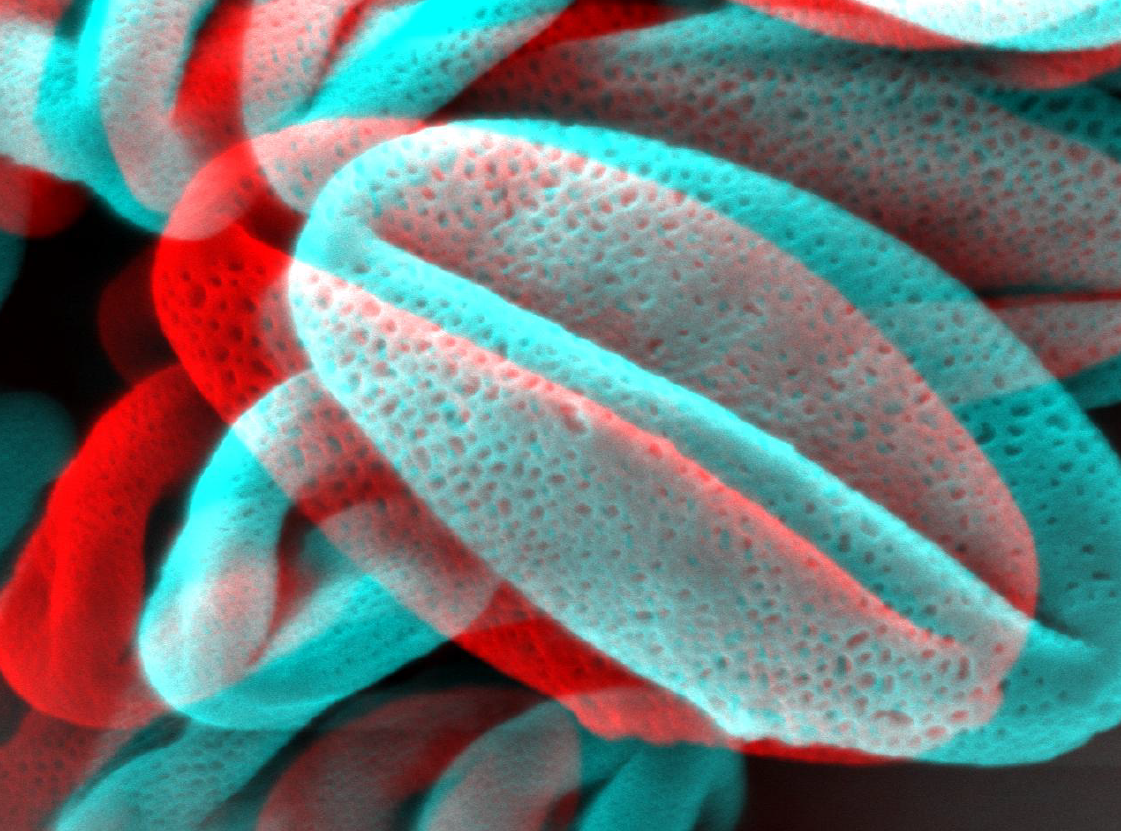
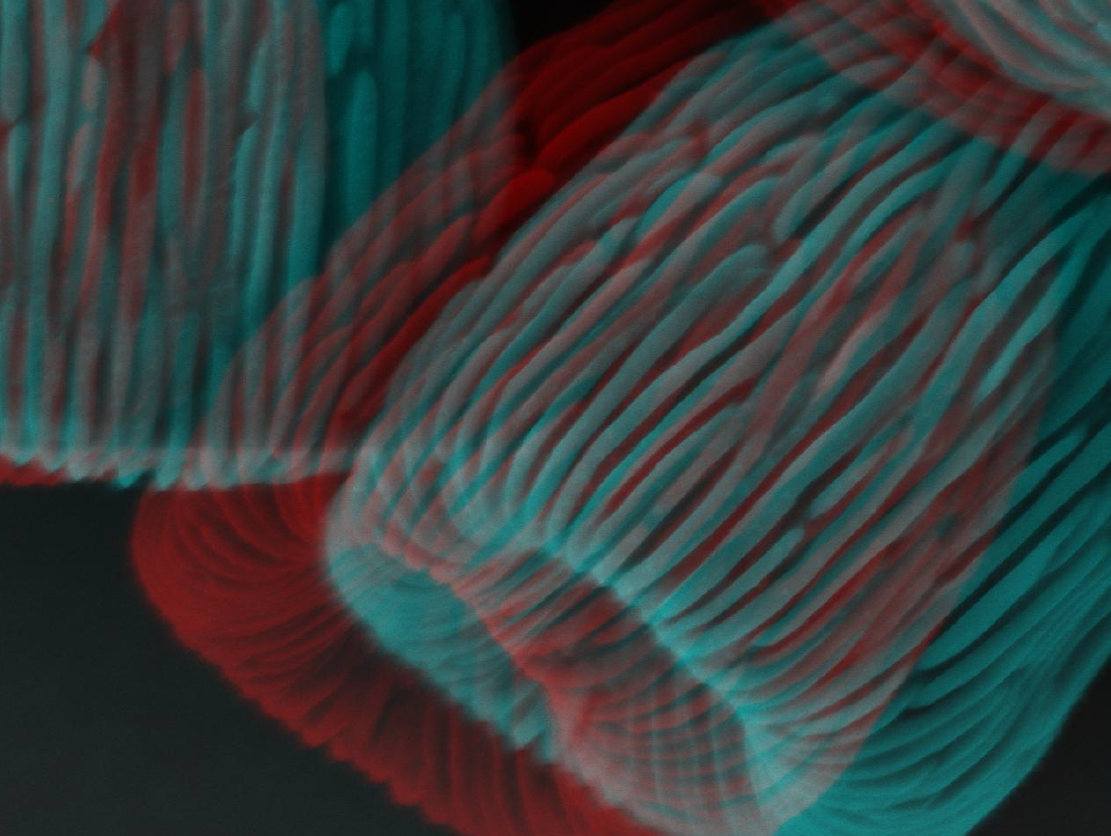
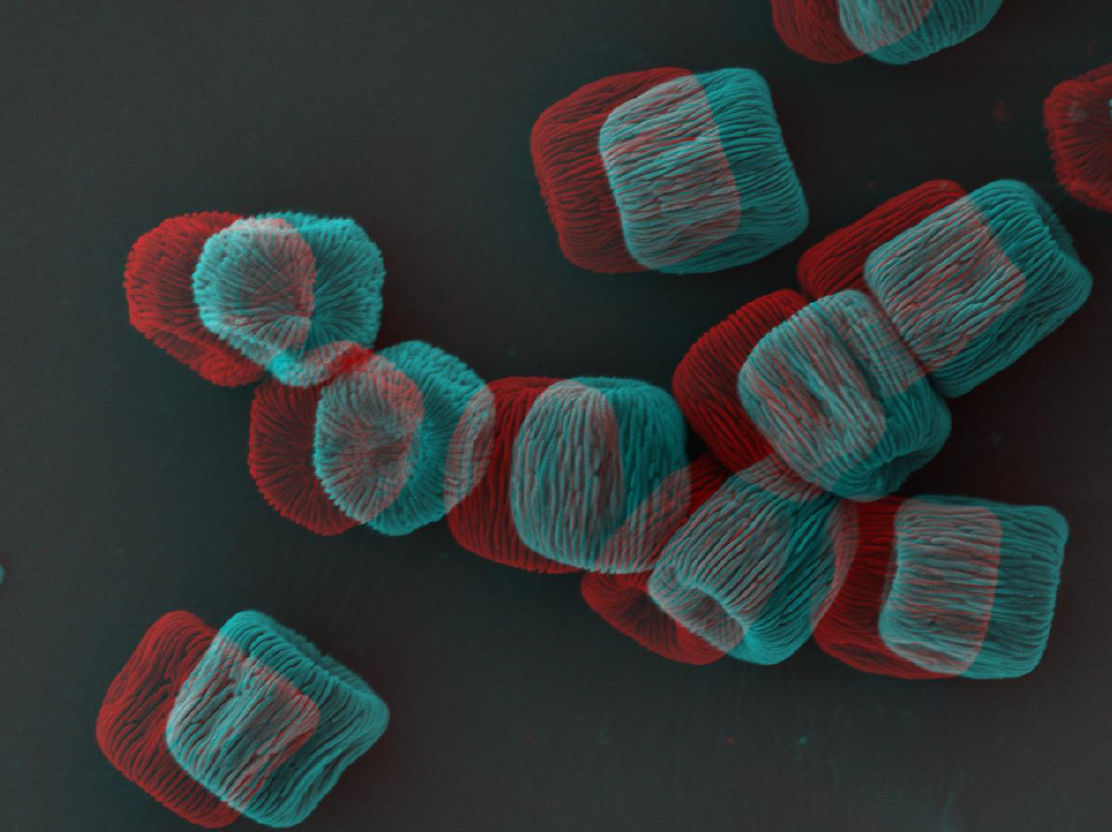
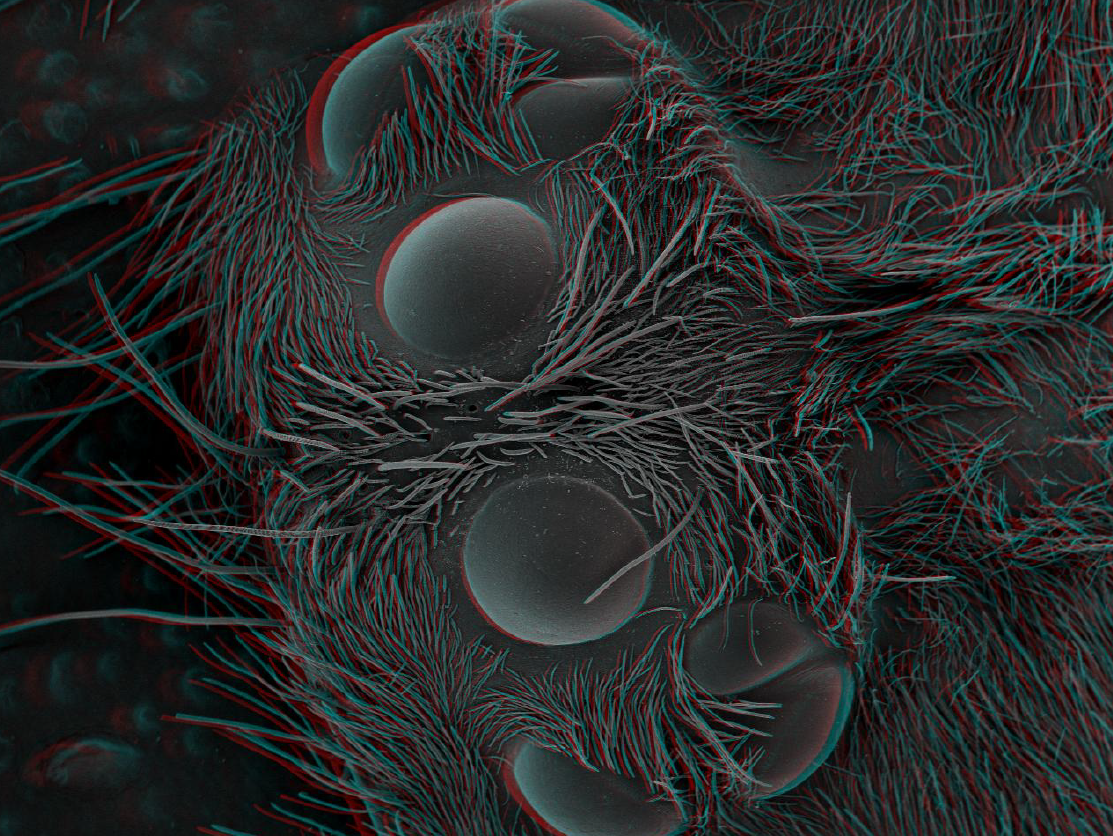
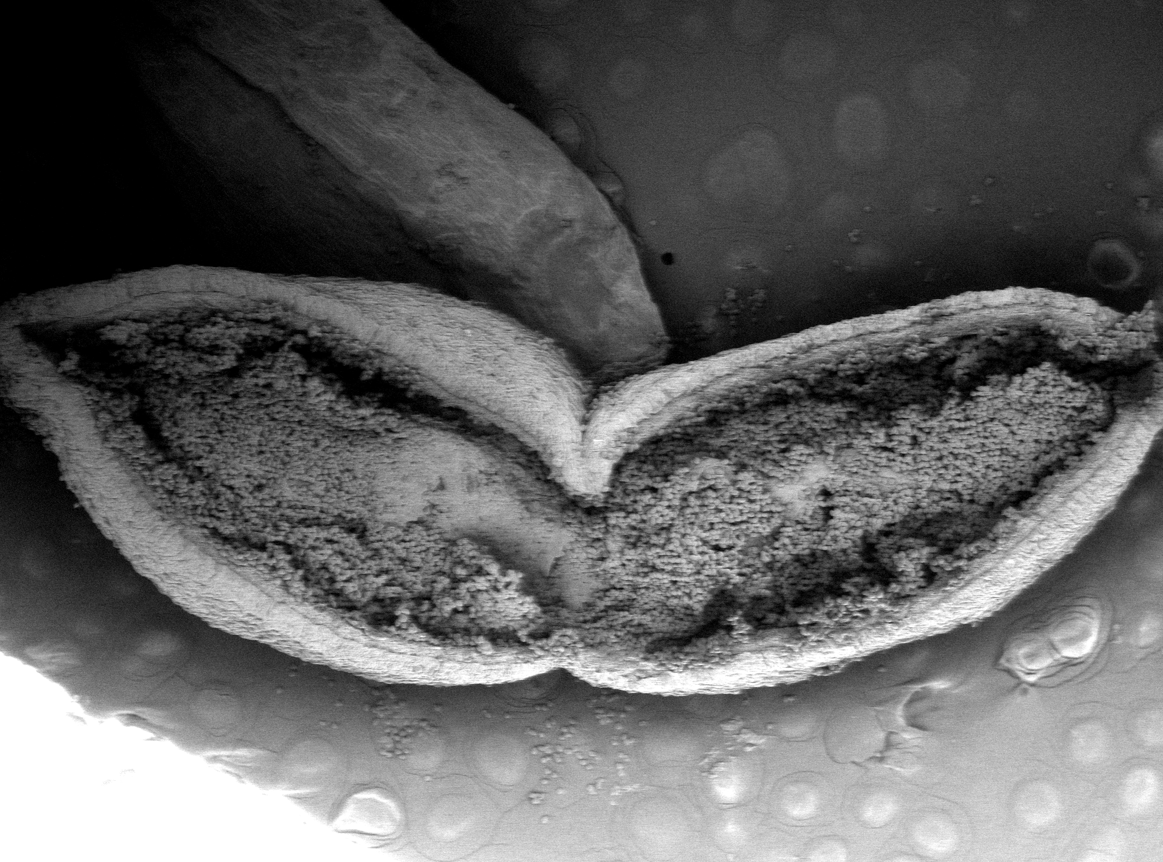
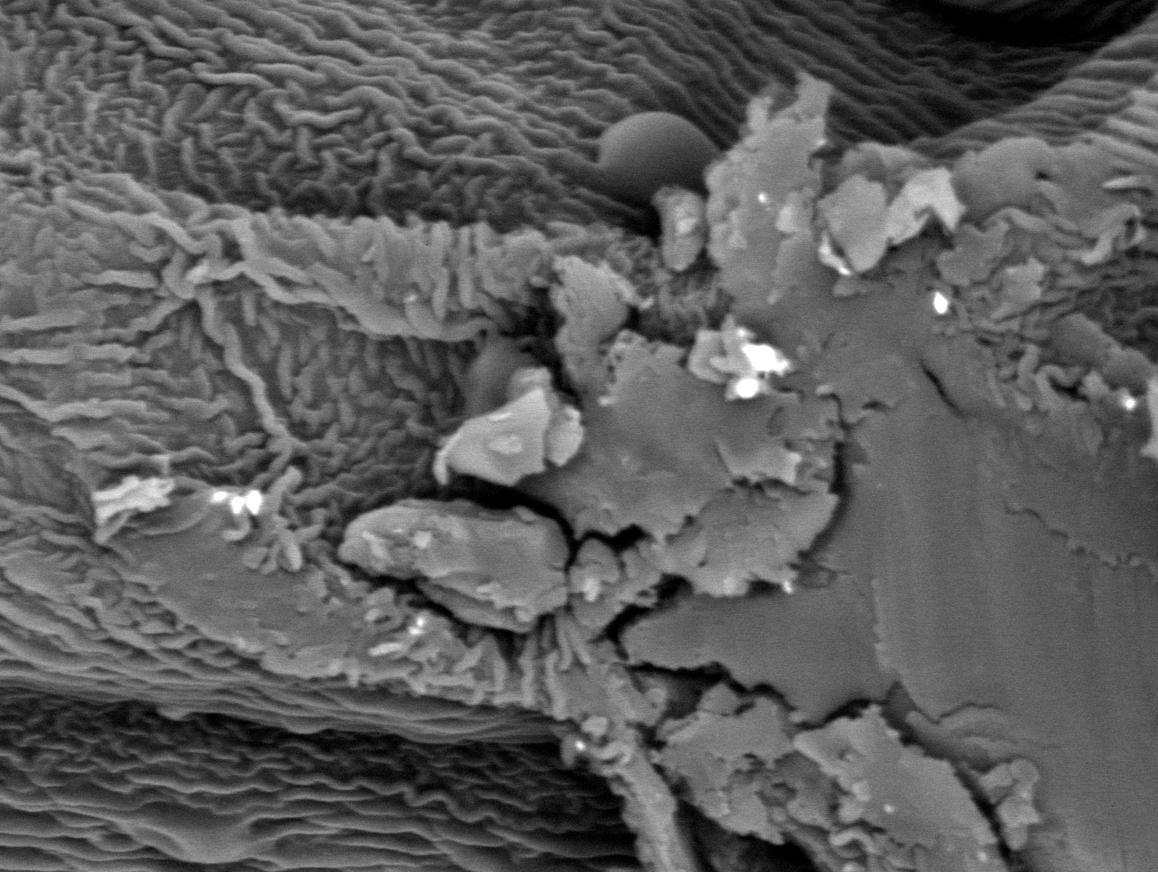
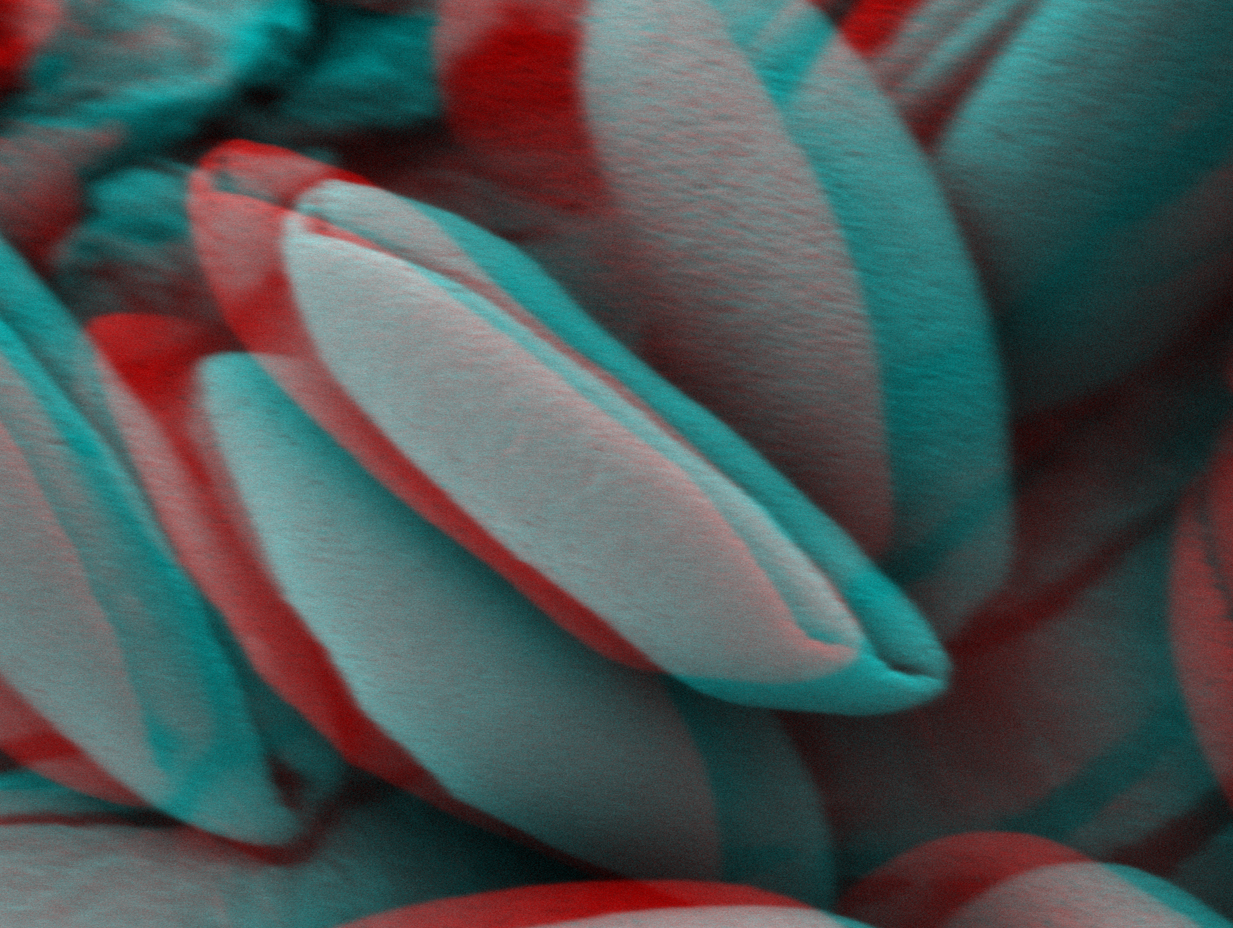
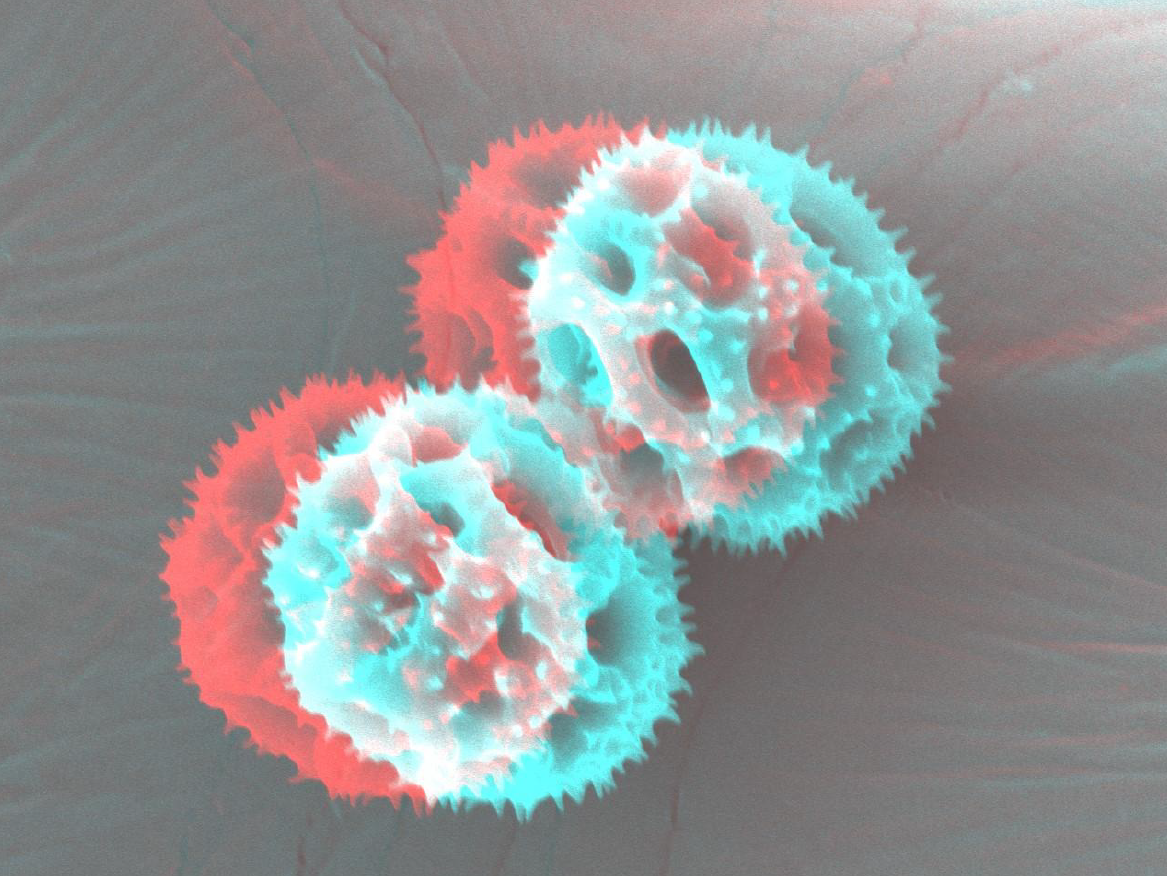
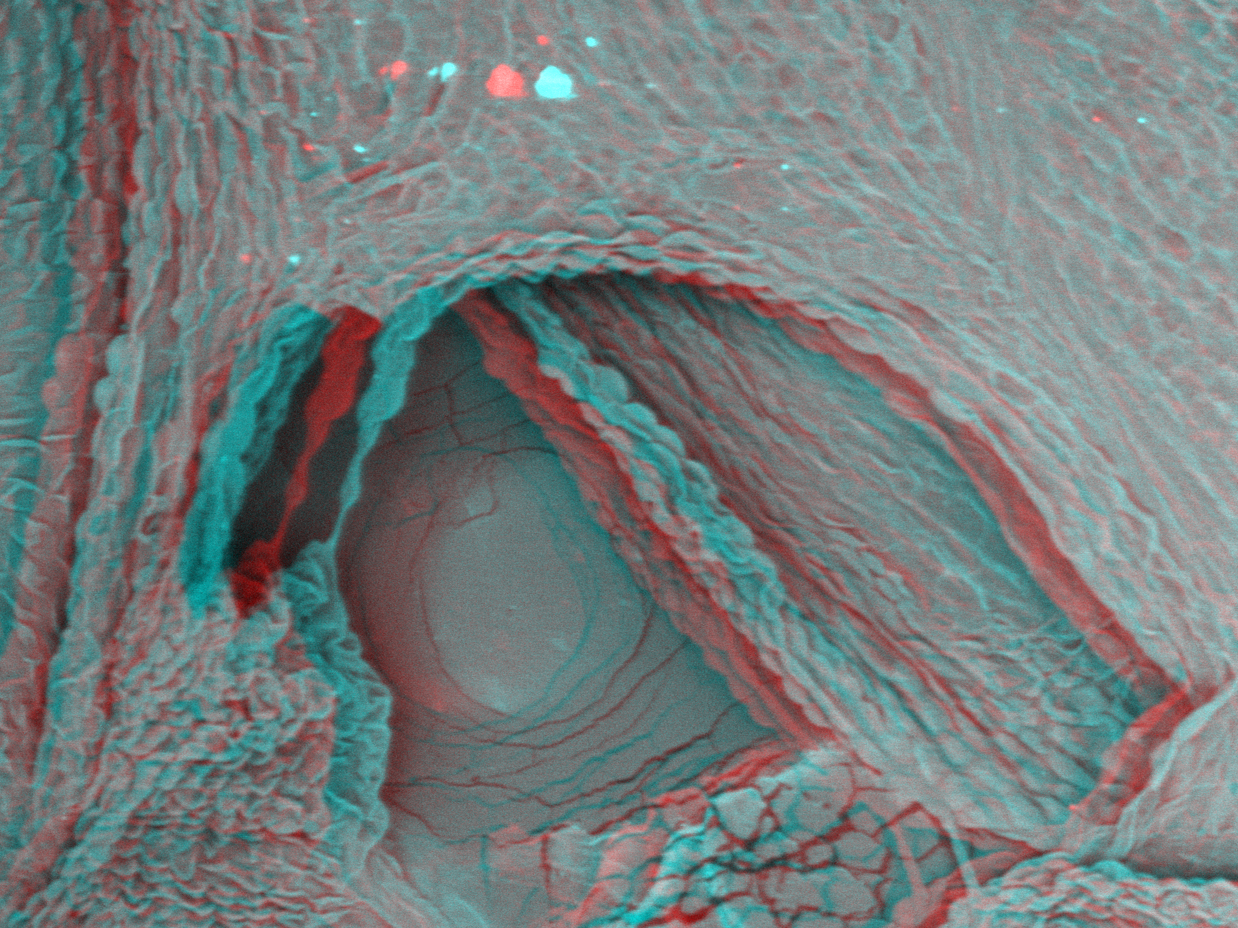
The resulting collection combines photographs of plants with high-resolution SEM images of their microscopic features, revealing intricate surface structures, patterns and curvatures that are invisible to the naked eye. Some specimens were imaged in stereoscopic 3D mode, allowing viewers equipped with red-cyan 3D glasses to explore the three-dimensional architecture of these natural structures.

By connecting the visible appearance of plants with their hidden microscopic world, the project demonstrates how geometry and curvature shape biological systems across multiple length scales. The collection serves as an educational resource for schools, museums, botanical gardens and science outreach activities, while also showcasing the possibilities of modern microscopy.

All materials are freely available through the EuroCurvoBioNet Teaching & Outreach Activity Box and may be used by anyone interested in microscopy, plant biology, science education and the hidden beauty of nature.


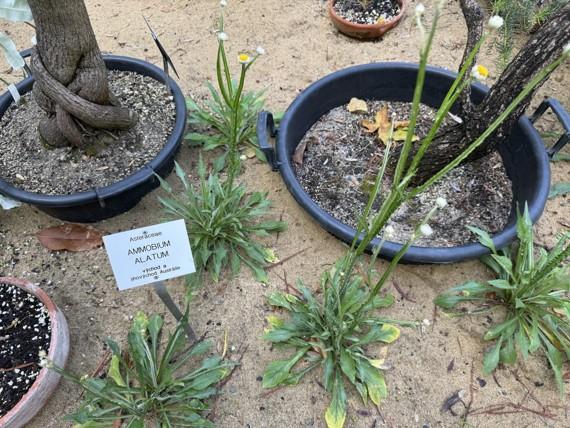
Ammobium alatum

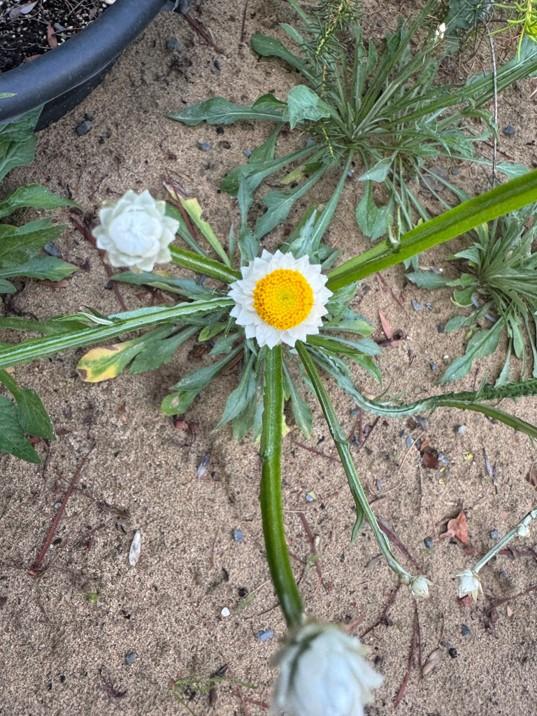
Winged everlasting is an attractive annual plant native to Australia, widely grown for use in dried flower arrangements and winter decorations.

Flowers:
The plant produces small flower heads with pure white, papery bracts surrounding a bright yellow centre that gradually darkens as the flowers mature.

Appearance:
Winged everlasting is easily recognized by its distinctive stems, which bear leafy “wings” along their sides, giving the plant its common name. The basal leaves are silvery-green, while the flowering stems typically reach a height of 50–60 cm.

Cultivation:
This species prefers a sunny location and light, well-drained, relatively dry soil. It does not tolerate waterlogged conditions and is not frost-hardy, so it is usually grown as an annual in temperate climates.


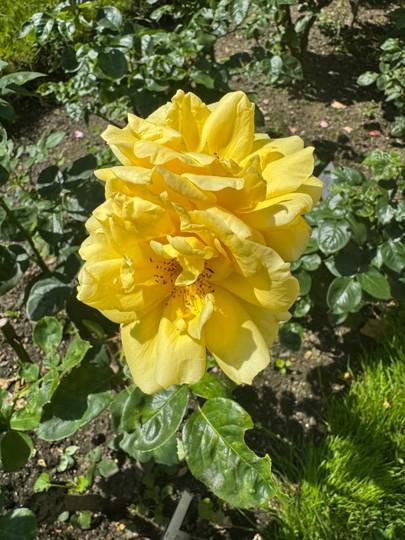
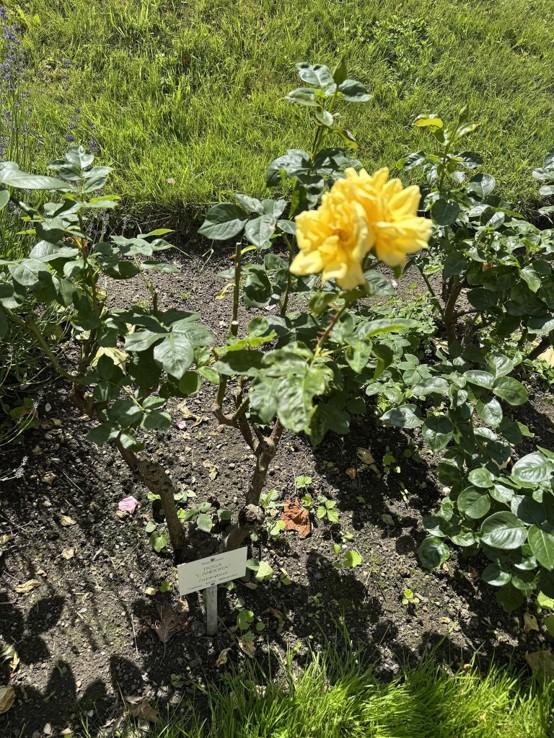
Rose 'Landora'

'Landora' is one of the most popular and reliable yellow hybrid tea roses. It was bred in Germany in 1970 and remains highly valued for its vigorous growth, abundant flowering and exceptional flower colour.

Flowers:
The plant produces large, elegantly shaped, double flowers of a rich, clear yellow colour that remains vibrant even in strong sunlight. The blooms are pleasantly fragrant and appear repeatedly from June until autumn.

Appearance:
'Landora' grows as an upright, dense shrub with dark green, glossy foliage. It typically reaches a height of 80–100 cm.

Cultivation:
This rose thrives in a sunny, well-ventilated location with deep, fertile and well-drained soil that retains adequate moisture. Regular pruning in spring promotes healthy growth and abundant flowering. In colder climates, winter protection is recommended to prevent frost damage.


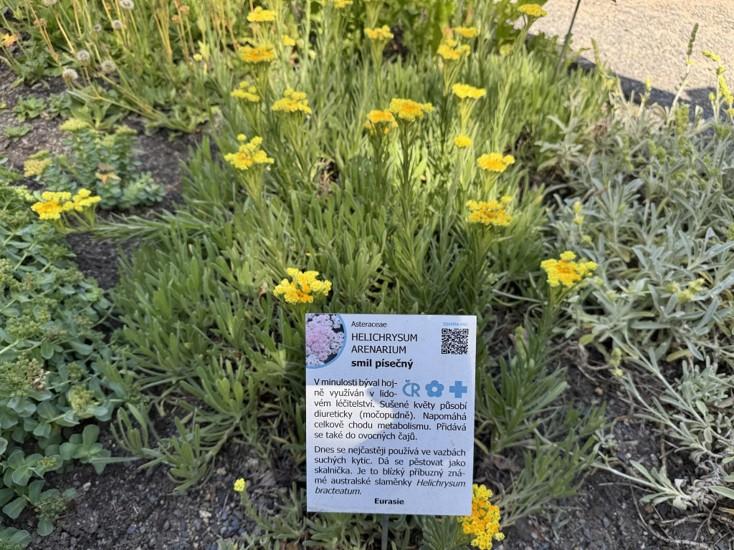
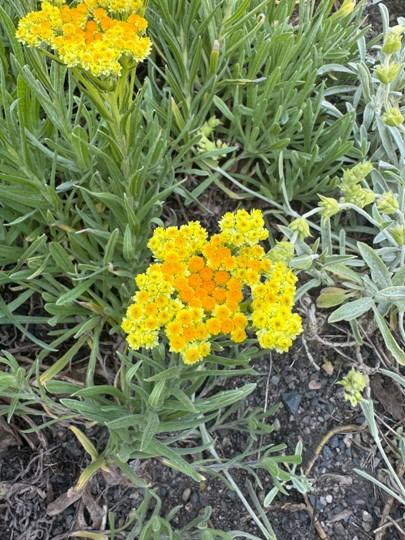
Helichrysum arenarium

Dwarf everlast is a protected perennial herb native to Europe, including the Czech Republic, where it is now considered critically endangered. It has long been valued in traditional herbal medicine and is also appreciated as a dried ornamental plant.

Flowers:
The plant produces small, hemispherical flower heads of bright yellow to orange colour. The flowers have dry, papery bracts that retain their shape and colour even after drying. Flowering typically occurs from June to October.

Appearance:
The entire plant is densely covered with white, woolly hairs, giving it a distinctive silvery-grey appearance. The leaves are narrow, elongated and sessile, while the flowering stems usually reach only 15–30 cm in height.

Cultivation:
Dwarf everlast thrives in extremely sunny, warm and dry habitats with poor, sandy soils. It is fully frost-hardy but does not tolerate excessive winter moisture.


Lavandula angustifolia

Lavender is an evergreen, highly aromatic subshrub native to the Mediterranean region. It is one of the most widely cultivated ornamental and useful plants in the world, valued for its beauty, fragrance and essential oils.

Flowers:
The small flowers are arranged in spike-like inflorescences at the ends of leafless stems. They are typically blue-violet in colour and produce a distinctive, soothing fragrance. Flowering usually occurs in July and August.

Appearance:
The plant forms dense, compact shrubs with narrow grey-green to silvery leaves that remain on the plant throughout the year. It typically grows to a height of 40–60 cm.

Cultivation:
English lavender thrives in hot, sunny locations and prefers dry, well-drained, preferably calcareous soils. It does not tolerate heavy or waterlogged soils. Regular pruning after flowering helps maintain a compact shape and encourages healthy growth.


Coreopsis grandiflora

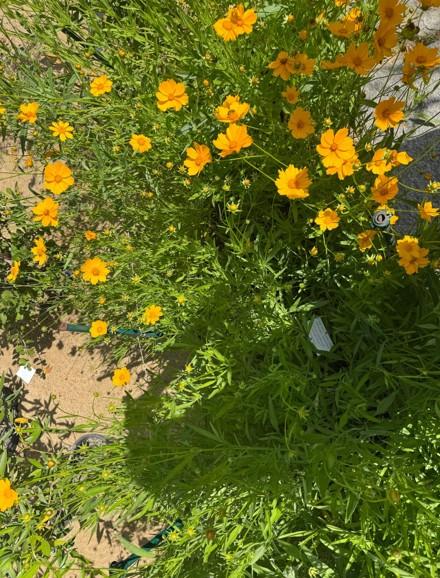
Coreopsis grandiflora is a perennial herb native to North America and a popular ornamental plant in gardens throughout Europe.

Flowers:
The plant produces bright yellow to golden-yellow flowers resembling small daisies. Depending on the cultivar, the flowers may be single or double. It blooms profusely from early summer until autumn, providing long-lasting colour in the garden.

Appearance:
Large-flowered tickseed forms clumps of narrow green leaves and typically grows to a height of 40–60 cm.

Cultivation:
This hardy perennial is easy to grow and thrives in full sun and well-drained, relatively dry soils. It is frost-tolerant and well suited for flower beds, naturalistic plantings and cut-flower arrangements.


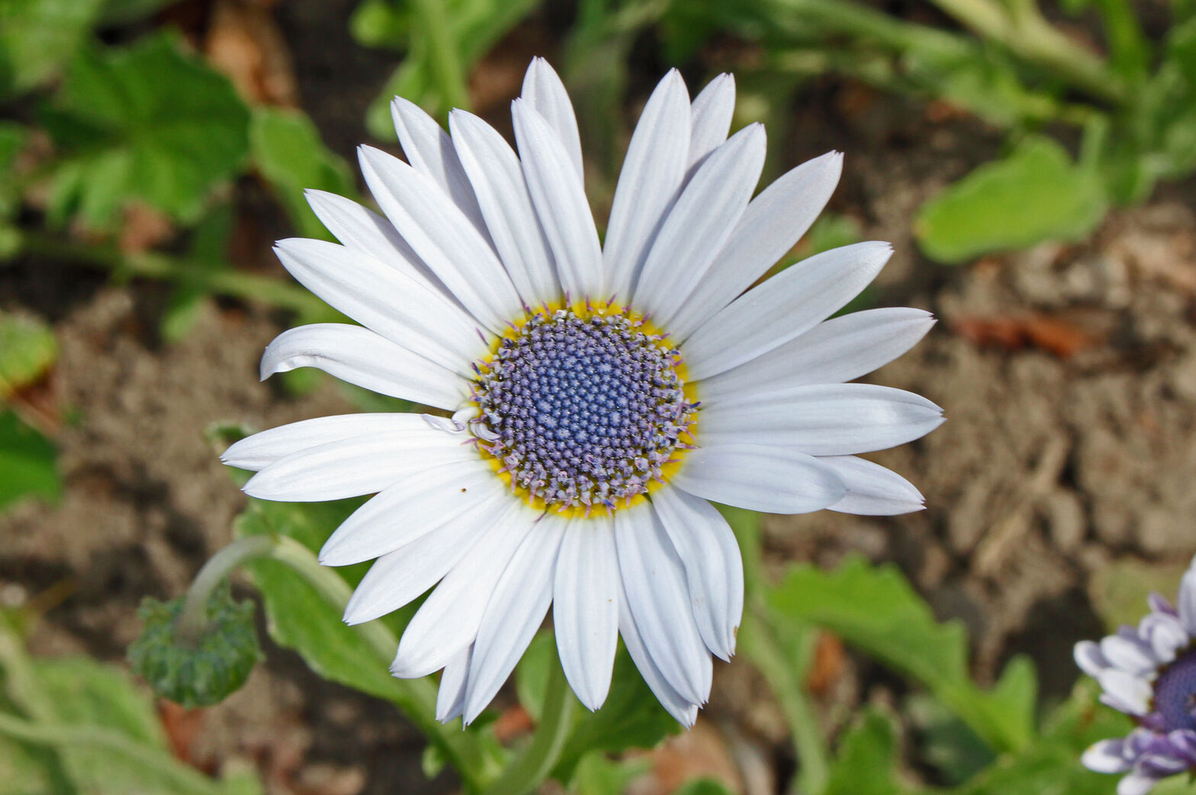
Arctotis venusta

African daisy is an attractive annual plant native to the dry regions of South Africa. It is prized for its striking flowers and its ability to thrive in sunny, drought-prone conditions.

Flowers:
The daisy-like flowers have pure white petals surrounding a contrasting steel-blue to purple centre. The blooms are light-sensitive and open only on sunny days.

Appearance:
The entire plant, including its leaves, is covered with fine silvery-grey hairs that give it a soft, velvety appearance. It typically grows to a height of 40–50 cm.

Cultivation:
African daisy thrives in full sun and warm locations. It prefers well-drained, sandy soils and requires only moderate watering. The plant is highly tolerant of dry conditions but does not tolerate prolonged moisture or waterlogged soil.


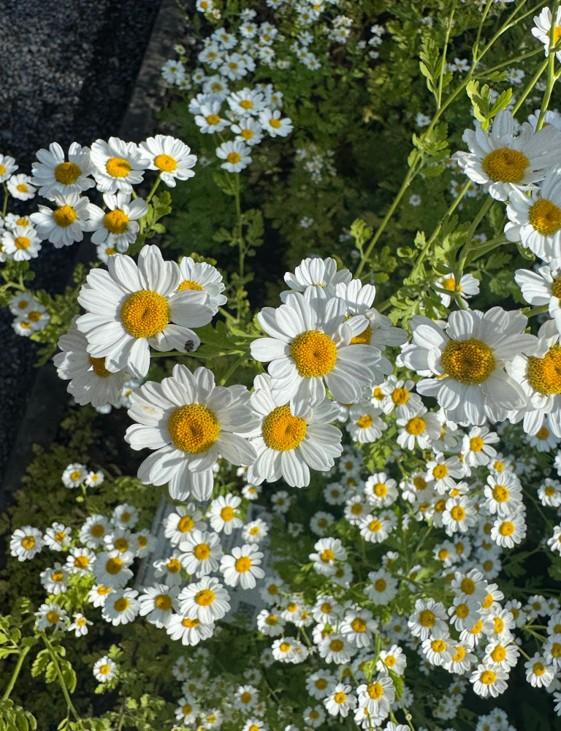
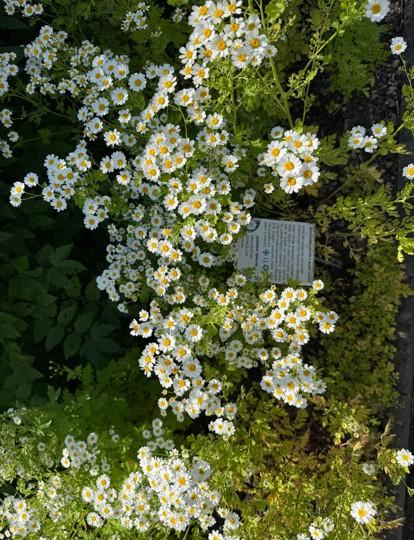
Tanacetum parthenium

Feverfew is a traditional perennial herb (often grown as a biennial) native to southeastern Europe and western Asia. It has a long history of use in folk medicine and is a familiar plant in cottage gardens.

Flowers:
The plant produces abundant clusters of small white flowers with yellow centres, resembling miniature daisies. It blooms from June to August.

Appearance:
Feverfew forms bushy, highly branched plants with deeply divided, light-green leaves. The foliage releases a strong, characteristic aroma when touched. Plants typically reach a height of 30–60 cm.

Cultivation:
Feverfew is easy to grow and tolerant of a wide range of soil conditions. It thrives in full sun or light partial shade and readily self-seeds in gardens. The plant is fully frost-hardy and requires little maintenance.


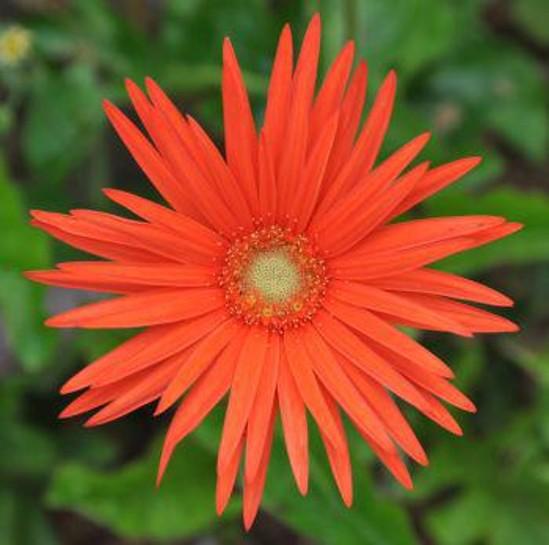
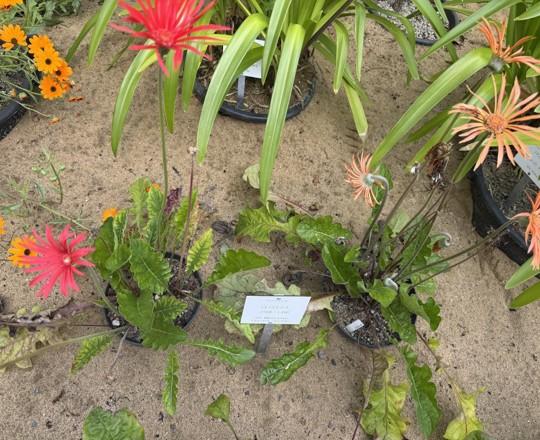
Gerbera jamesonii

A popular ornamental plant native to South Africa, widely grown around the world as a potted indoor plant and one of the most popular cut flowers.

Flowers:
Gerbera produces large, striking flower heads resembling oversized daisies. The flowers occur in a wide range of vibrant colours, including white, yellow, orange, pink and deep red.

Appearance:
The leaves form a basal rosette and are elongated, lobed and slightly hairy. Leafless, sturdy flower stalks grow from the rosette, typically reaching 30–50 cm in height, each bearing a single flower head.

Cultivation:
In temperate climates, gerberas are usually grown as houseplants or container plants, as they are not frost-tolerant. They require plenty of bright light (preferably with some morning sun) and moderate, regular watering while avoiding waterlogged soil.




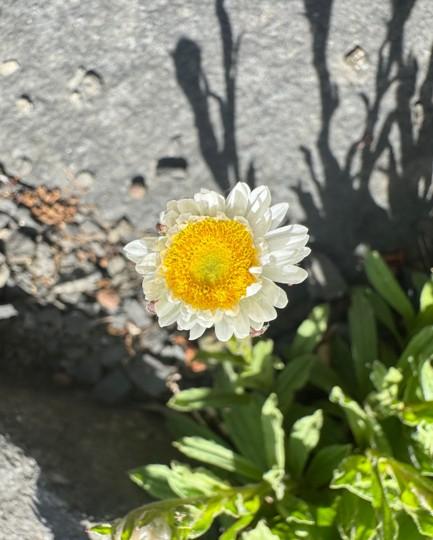
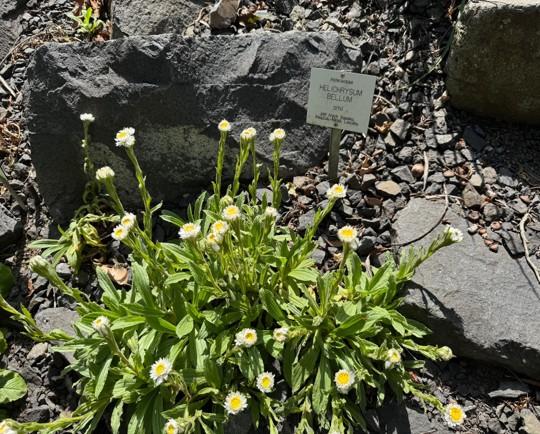
Helichrysum bellum

A compact cultivated variety of strawflower originating from Australia, highly valued for floral arrangements and dried flower displays.
Flowers:
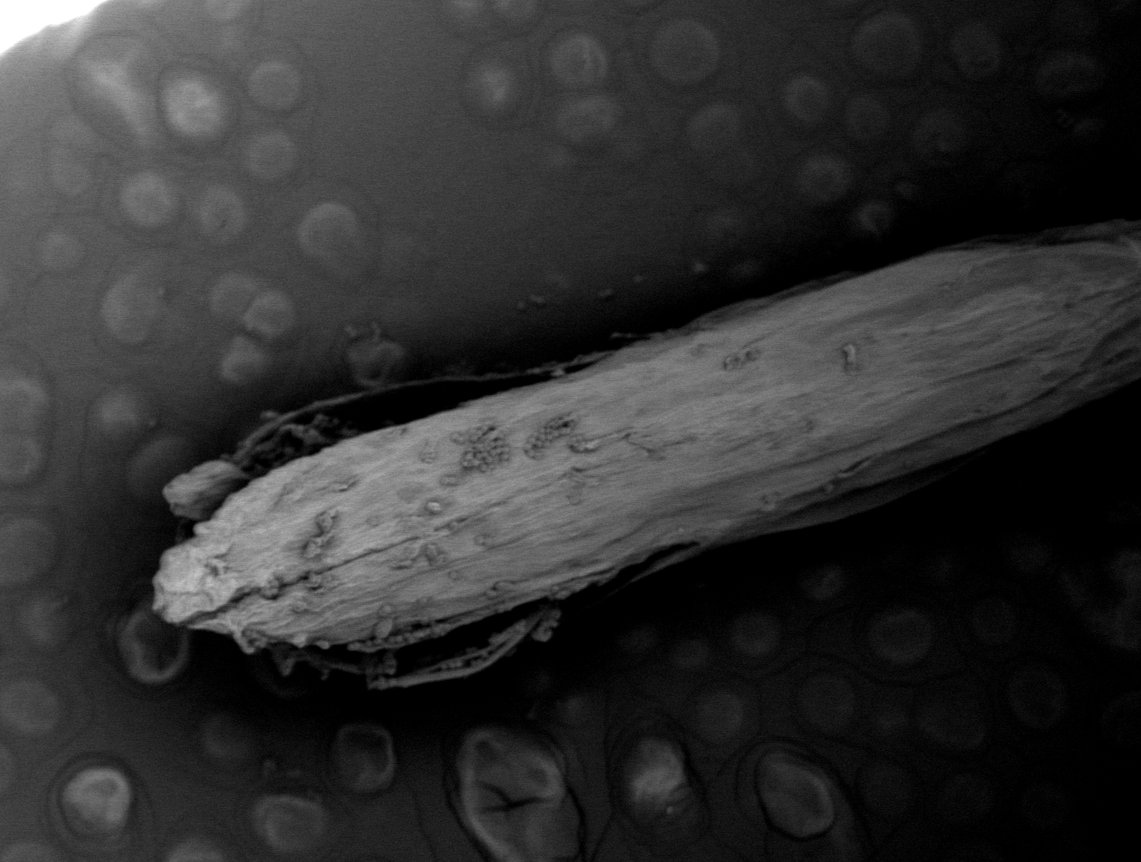
The plant produces numerous small flower heads with dry, papery petals. One of its most remarkable features is that the flowers retain their shape and vibrant colour even after drying.
Appearance:
Strawflower 'Bell' has a compact growth habit, forming dense, branched plants with silvery-green to grey-green foliage. It typically reaches a height of 20–30 cm.

Cultivation:
This easy-to-grow annual thrives in full sun and prefers well-drained, sandy soils with low nutrient content. It is highly tolerant of heat and drought, making it an excellent choice for sunny gardens and dry conditions.


Microscopic Gallery

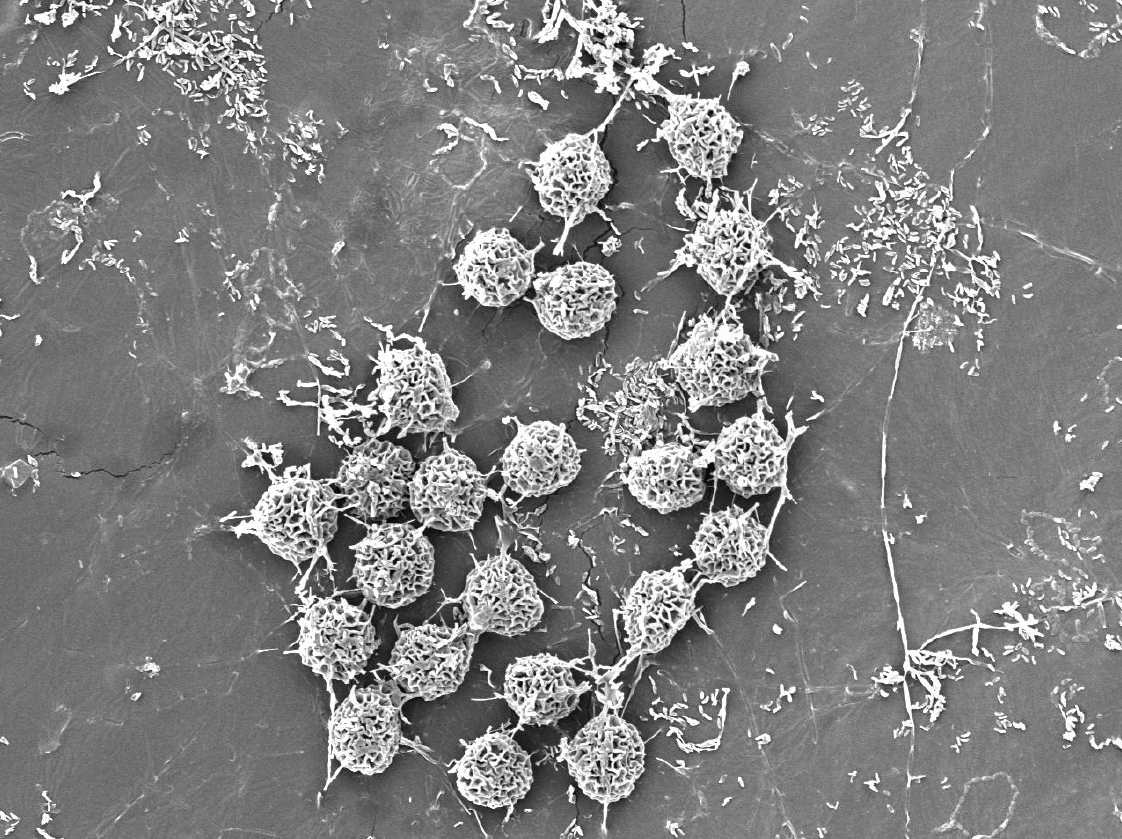
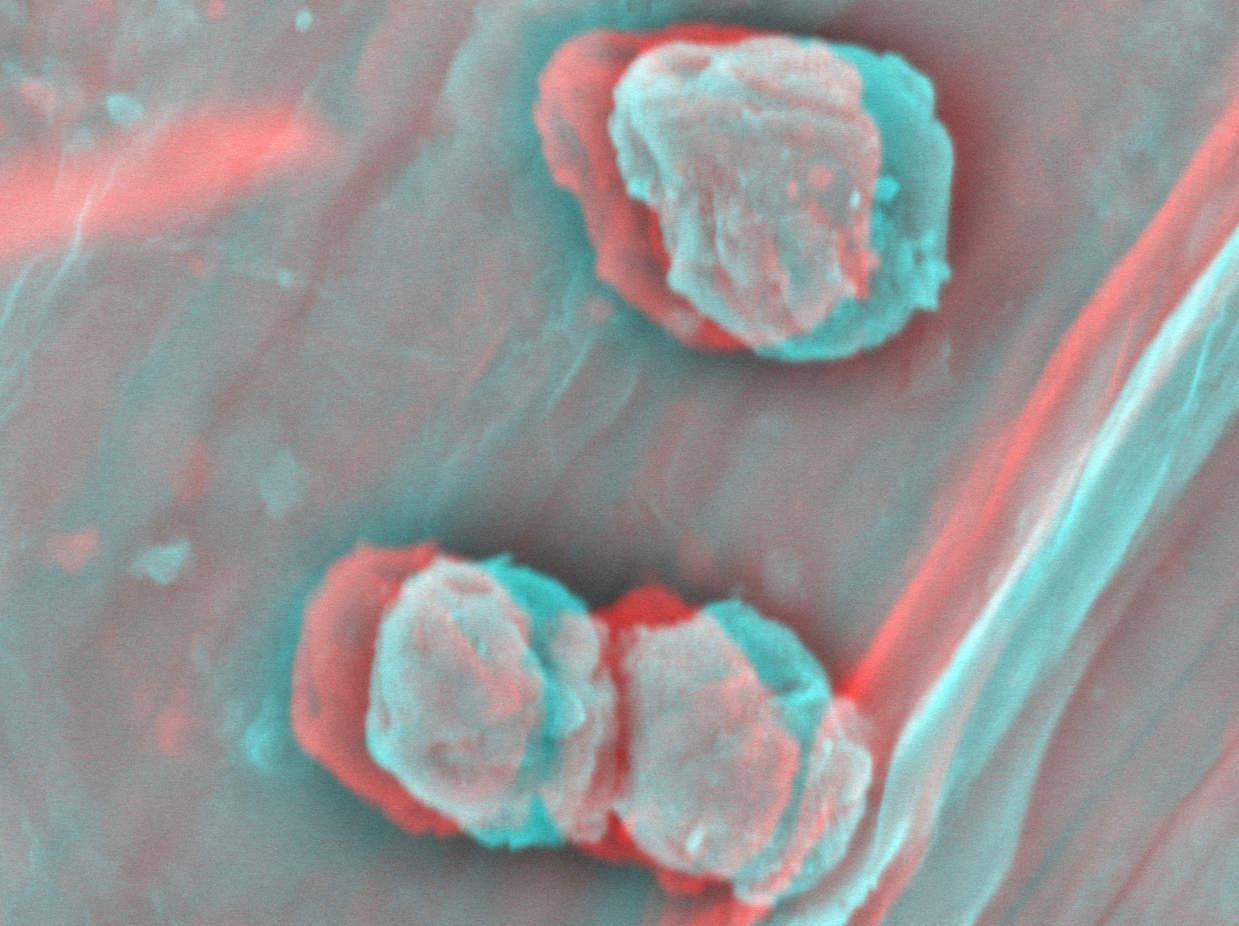
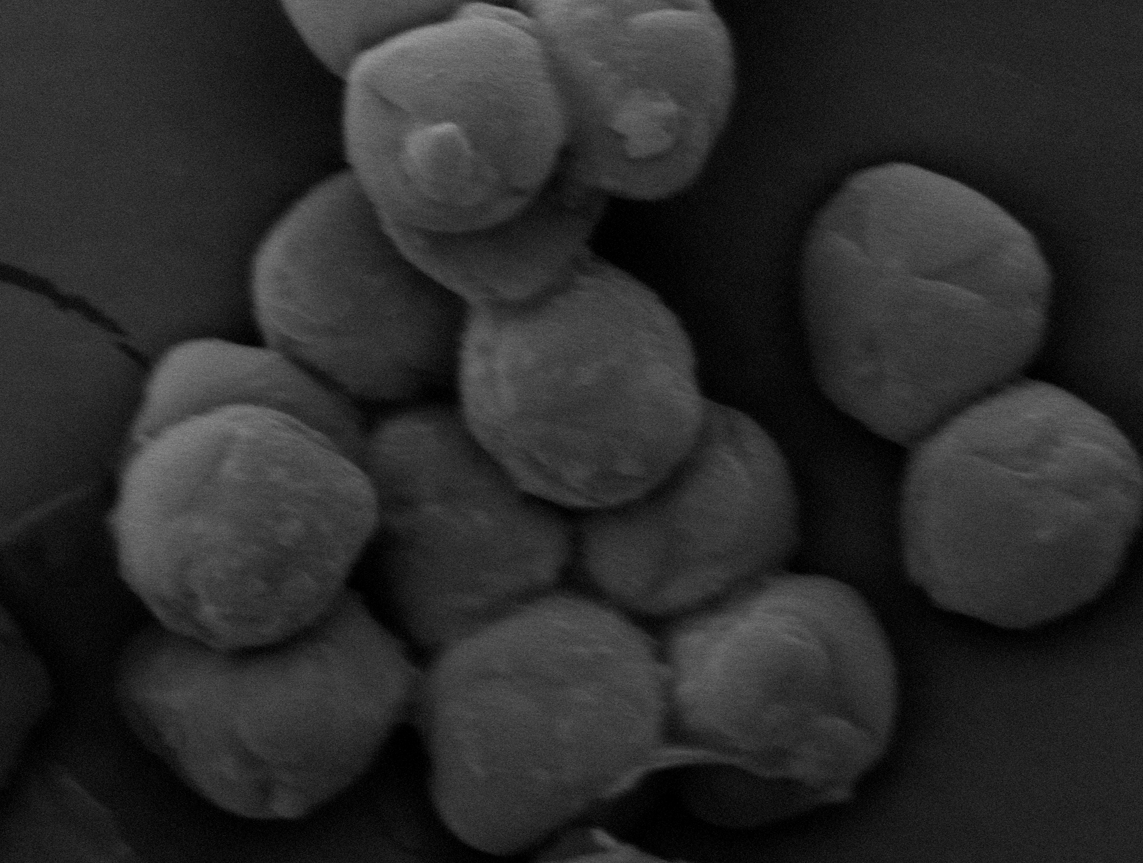
This gallery showcases a selection of additional SEM images acquired during the project. The specimens include not only plant structures but also other biological and natural materials. Although diverse in origin, they share a common feature: fascinating curvatures, textures and geometric arrangements that illustrate how shape plays a fundamental role in the organization of the natural world.